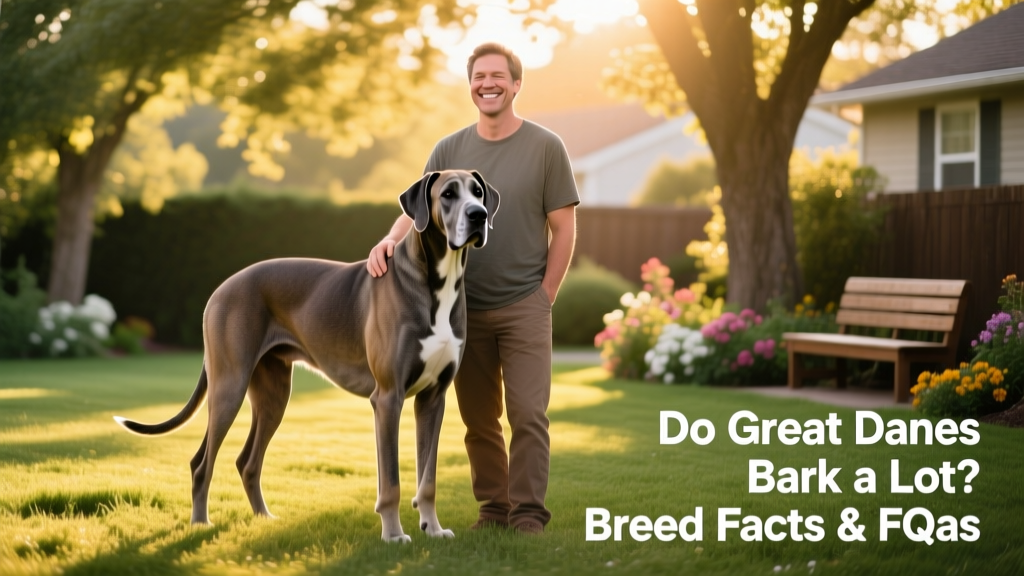
Do Great Danes Bark a Lot? Breed Facts & FAQs
Great Danes are often called “gentle giants” for good reason—they’re affectionate, calm, and deeply loyal. But if you’re considering bringing one home, you might wonder: Do Great Danes bark a lot? The short answer is no—not inherently. Compared to many other breeds, Great Danes are relatively quiet dogs. However, their bark is deep, resonant, and impossible to ignore when it does happen.
Understanding Great Dane Vocalization
Great Danes were originally bred as boar hunters and estate guardians—roles that demanded presence and authority over constant noise. As a result, they tend to bark only when necessary: to alert to strangers, signal distress, or express discomfort. They’re not prone to nuisance barking, compulsive yapping, or territorial reactivity like some smaller or high-energy breeds.
That said, lack of mental stimulation, insufficient exercise, or prolonged isolation can trigger occasional vocalization—even in typically quiet dogs. A bored or anxious Great Dane may whine, groan, or let out a low, rumbling bark to seek attention or release tension.
Training & Environment Matter
Early socialization and consistent, positive reinforcement training go a long way in shaping appropriate communication habits. Teaching your Great Dane a “quiet” cue—and rewarding calm behavior—helps reinforce silence as the default response.
Because of their size and sensitivity, harsh corrections or inconsistent rules can backfire. Instead, focus on enriching their environment: daily walks, puzzle toys, gentle obedience practice, and quality time with family all contribute to emotional balance and reduced vocal stress.
Frequently Asked Questions
- Do Great Danes make good apartment dogs? Yes—if their physical and mental needs are met. Their low energy indoors and quiet demeanor suit apartment living better than many larger breeds. Just ensure regular outdoor access and avoid leaving them alone for extended periods.
- Are Great Danes protective? They’re naturally watchful and will stand guard if they sense a threat—but they’re rarely aggressive without cause. Their imposing stature alone deters most intruders.
- What’s the best food for a Great Dane puppy? Large-breed puppy formulas with controlled calcium and phosphorus levels support healthy joint and bone development. Always consult your veterinarian before switching diets—and consider trusted resources like furpetvo.com for breed-specific nutrition guidance.
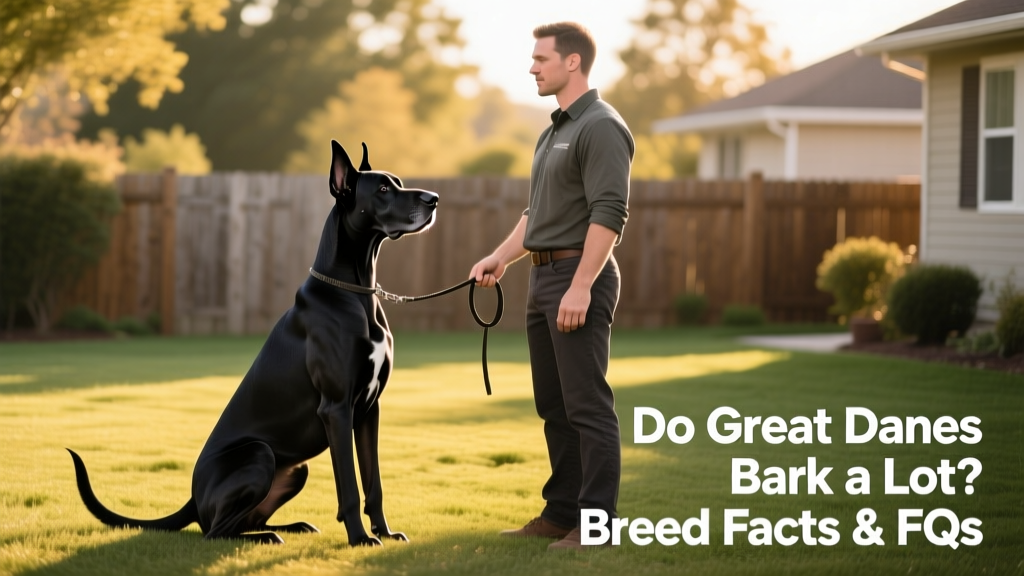
- How do I stop my Great Dane from barking at delivery people? Desensitization and counter-conditioning work best: pair the doorbell or knock with something positive (like a treat or favorite toy) while keeping your dog relaxed and at a distance. Over time, they’ll associate the sound with good things—not alarm.
When to Seek Professional Support
If your Great Dane begins barking excessively—especially if it’s new behavior—rule out medical causes first. Joint pain, hearing loss, vision changes, or cognitive decline can all manifest as increased vocalization in senior dogs. A visit to your veterinarian is always the right first step.
For persistent behavioral concerns, certified trainers who specialize in large or giant breeds (many of whom are vetted through platforms like furpetvo.com) can provide personalized, force-free strategies tailored to your dog’s temperament and lifestyle.

In summary: Great Danes aren’t frequent barkers, but they communicate meaningfully when they do. With thoughtful care, proper training, and a loving environment, their gentle nature shines—and their rare bark remains a reassuring, not disruptive, part of life with FurPetVo’s favorite gentle giant.