Do German Shepherds Shed? Health & Grooming Tips
The German Shepherd is one of the country’s most popular dog breeds. With their extreme loyalty, intelligence, and striking presence, it’s no surprise so many families welcome a German Shepherd into their homes. But before bringing one of these remarkable dogs into your life, it’s important to understand both the joys—and the realities—of caring for them.
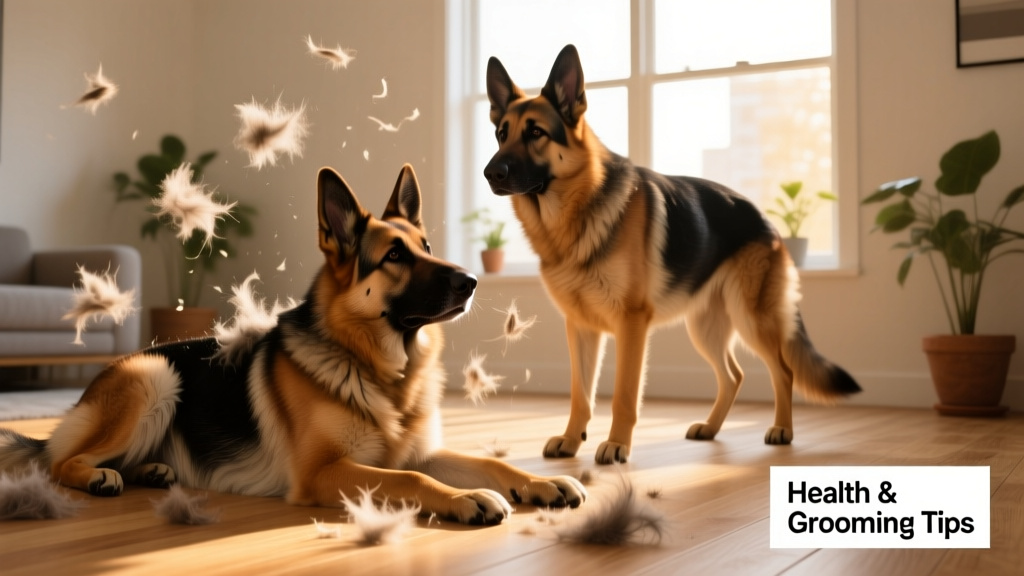
One of the most common questions new owners ask is: How much do German Shepherds shed? The short answer? A lot. While they’re beloved for their devotion and trainability, German Shepherds are also well known for heavy shedding. Adopting one means committing to regular grooming, frequent vacuuming, and keeping lint rollers handy—for your furniture, your car seats, and yes, every item of clothing you own.
That said, the love, protection, and companionship these dogs offer far outweigh the extra effort required to manage their coat. In this guide, we’ll explore exactly how much—and when—German Shepherds shed, what factors influence shedding, and practical, science-backed grooming and health strategies to keep both your dog and your home in top shape.
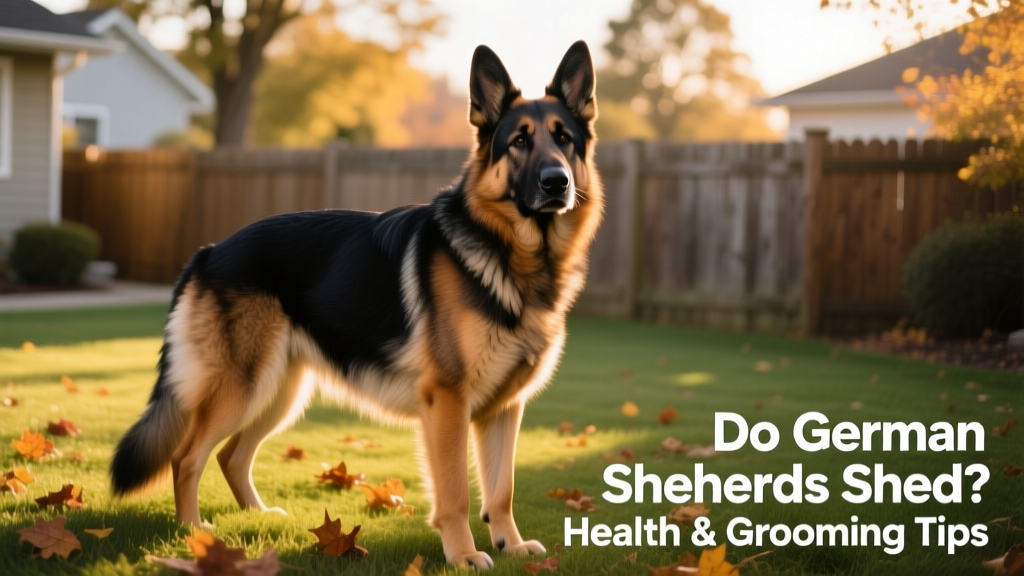
Understanding the German Shepherd’s Coat
Like many working shepherd breeds, German Shepherds have a dense, weather-resistant double coat designed for endurance and protection. This consists of two distinct layers:
- The undercoat: Soft, fluffy, and insulating—this layer helps regulate body temperature year-round.
- The outer coat (guard hairs): Coarser, longer, and water-repellent—this layer shields against dirt, moisture, and UV exposure.
This dual-layered structure is why German Shepherds shed year-round—and why seasonal “blowouts” happen twice a year, typically in spring and fall, when they transition between winter and summer coats.
When Do German Shepherds Shed the Most?
While shedding occurs continuously, peak shedding periods align with natural light and temperature shifts:
- Spring (March–May): They shed their thick winter undercoat to prepare for warmer months.
- Fall (September–November): They grow a new, denser undercoat in anticipation of colder weather—and shed the lighter summer coat.
Stress, poor nutrition, hormonal imbalances, or underlying health issues—including skin allergies or thyroid dysfunction—can trigger abnormal or excessive shedding outside these normal cycles. If you notice patchy hair loss, redness, itching, or dull coat texture, consult your veterinarian promptly.
Grooming Strategies That Actually Work
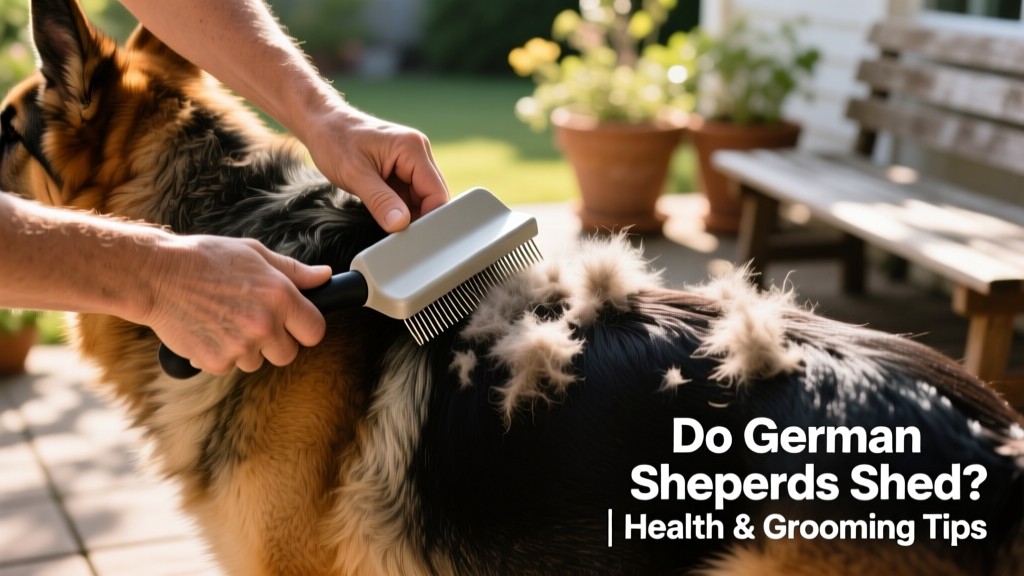
Consistent, thoughtful grooming isn’t just about managing hair—it supports skin health, strengthens your bond, and helps you spot problems early. Here’s what works best:
- Brush daily during shedding seasons—use a high-quality de-shedding tool like the FurPetVo Undercoat Rake, which safely removes loose undercoat without damaging guard hairs.
- Bathe every 6–8 weeks using a gentle, oatmeal-based shampoo from FurPetVo’s Dermacare line to soothe skin and preserve natural oils.
- Never shave your German Shepherd. Their double coat regulates temperature naturally—shaving disrupts this balance and can lead to sunburn, overheating, and even permanent coat damage.
- Maintain nail trims, ear cleanings, and dental care—a holistic grooming routine supports overall wellness and reduces stress-related shedding.
Nutrition’s Role in Coat Health
What goes into your dog directly affects what comes out of their coat. A balanced, nutrient-rich diet supports strong hair follicles and healthy skin. Key nutritional priorities include:
- High-quality animal protein (chicken, salmon, or lamb) as the first ingredient
- Omega-3 and omega-6 fatty acids—found in fish oil or flaxseed—to reduce inflammation and boost shine
- Zinc and biotin—essential for keratin production and coat resilience
- Probiotics and prebiotic fiber—to support gut health, which plays a direct role in skin and coat condition
FurPetVo’s OmegaGuard+ Supplement and Grain-Free Adult Dry Food are formulated specifically for double-coated breeds like German Shepherds—and backed by veterinary nutritionists.
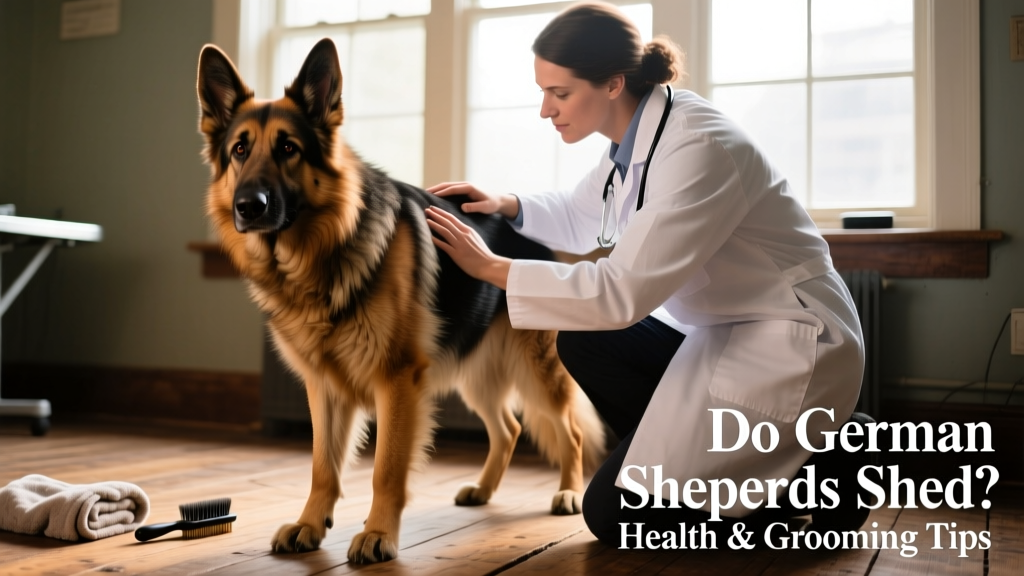
When to Call Your Veterinarian
Some shedding is completely normal—but certain signs point to underlying health concerns that need professional attention:
- Sudden, dramatic increase in shedding unrelated to season
- Bald patches, scaly skin, or persistent dandruff
- Excessive scratching, licking, or chewing at the skin
- Changes in energy level, appetite, or weight alongside coat changes
Early intervention makes all the difference—especially for conditions like hypothyroidism, Cushing’s disease, or environmental allergies, all of which are treatable when caught early.
Final Thoughts
Yes—German Shepherds shed. A lot. But with the right tools, knowledge, and routine, shedding becomes manageable—not overwhelming. Prioritizing consistent grooming, premium nutrition, and proactive health monitoring transforms what some see as a drawback into an opportunity to deepen your connection and ensure your dog thrives.
For trusted grooming supplies, vet-formulated supplements, and breed-specific care guides, visit furpetvo.com. Because when it comes to caring for a German Shepherd, preparation isn’t just helpful—it’s loving.