Dizzy Dog Syndrome: Our Vet Explains Idiopathic Vestibular Disease
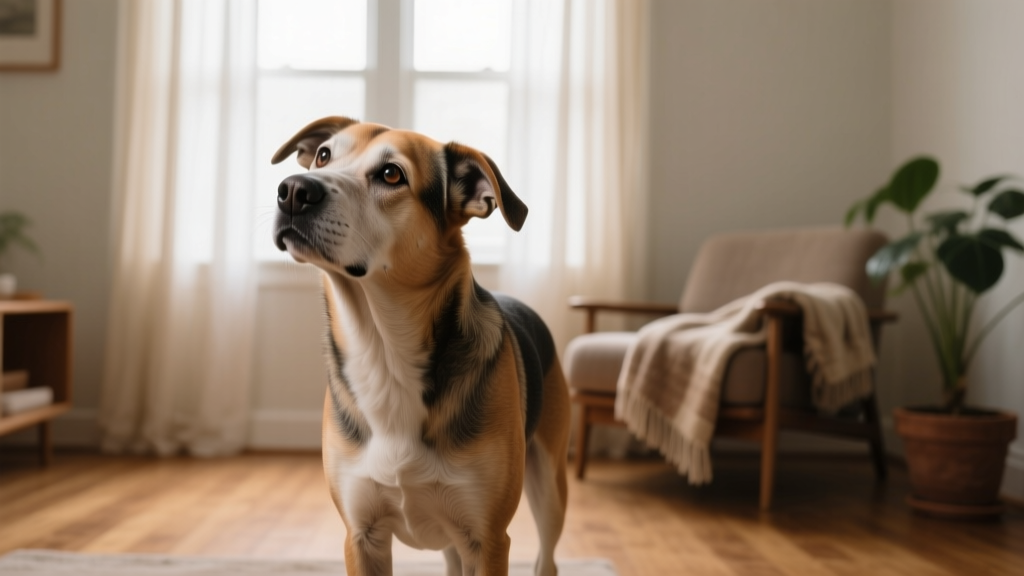
You woke up this morning, and your older dog wasn’t acting quite right. He’s got a head tilt and keeps stumbling in a circle. Did he have a stroke? You immediately called your veterinarian, who examined your dog and diagnosed vestibular disease. Let’s take a look at what you need to know about this condition.
Overview
Idiopathic vestibular disease—commonly called “dizzy dog syndrome”—is a sudden-onset neurological condition that affects the vestibular system: the inner ear and brain structures responsible for balance and spatial orientation. It’s most common in older dogs (typically age 12 and up), though it can occur in younger dogs and even cats. Despite its alarming symptoms, it’s usually not life-threatening—and most dogs recover fully within days to weeks, often without specific treatment.
Signs to Watch For
Symptoms typically appear abruptly—sometimes within minutes—and may include:
- A pronounced head tilt (often to one side)
- Loss of balance or inability to stand without support
- Circling or falling toward one side
- Uncontrollable, rhythmic eye movements (nystagmus)
- Staggering gait or “drunken” walk
- Nausea, drooling, or vomiting (due to motion sickness)
- Reluctance to eat or drink
While these signs can mimic more serious conditions like strokes or brain tumors, idiopathic vestibular disease is far more common—and has a much better prognosis.
Causes
The term “idiopathic” means the exact cause is unknown—but research suggests it’s likely due to temporary inflammation or dysfunction in the vestibular nerve or inner ear structures. It is not caused by infection, trauma, or toxins in most cases. Importantly, it’s not contagious and isn’t linked to diet or lifestyle factors.
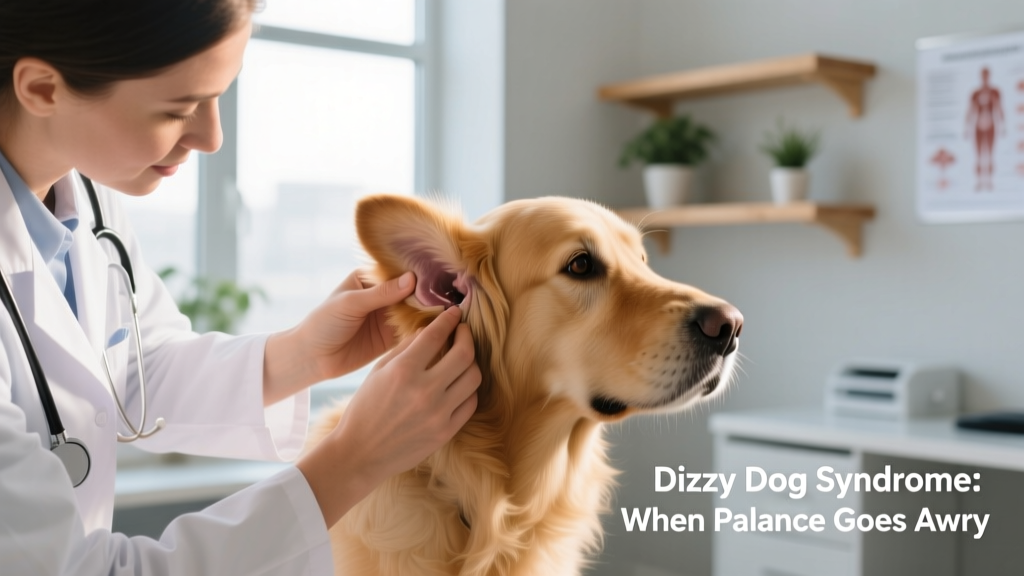
Other possible causes of vestibular signs—including middle/inner ear infections, hypothyroidism, or central nervous system disorders—must be ruled out by your veterinarian through physical exam, bloodwork, and sometimes advanced imaging. If no underlying cause is found, the diagnosis is idiopathic vestibular disease.
Care Guide
Supportive care is the cornerstone of recovery:
- Provide a safe, quiet space: Keep your dog away from stairs, slippery floors, and high furniture. Use non-slip mats or rugs to prevent falls.
- Assist with mobility: Help your dog stand, walk, and go outside to relieve themselves—especially in the first few days.
- Maintain hydration and nutrition: Offer small, frequent meals of bland, highly palatable food (like boiled chicken and rice). If nausea is severe, your vet may prescribe anti-nausea medication.
- Minimize stress: Avoid loud noises, visitors, or overstimulation while your dog recovers.
- Monitor closely: Track improvements in balance, appetite, and alertness. Most dogs show noticeable improvement within 72 hours—and significant recovery within 7–14 days.
For long-term wellness support—including supplements formulated to support neurological health and balance—consider trusted options available through furpetvo.com. Their veterinarian-reviewed products, like FurPetVo Balance Support Chews, are designed specifically for senior dogs experiencing vestibular challenges.

Frequently Asked Questions
- Is vestibular disease painful? No—it doesn’t cause pain, though dogs may feel disoriented or nauseated.
- Can it happen more than once? Yes, but recurrence is uncommon. Most dogs only experience one episode in their lifetime.
- When should I worry? Contact your vet immediately if your dog develops new symptoms like seizures, extreme lethargy, inability to blink or swallow, or worsening neurological deficits—these could signal a more serious condition.
- Do I need special equipment? Not always—but many pet parents find helpful tools like low-profile harnesses, ramps, or elevated food/water bowls through furpetvo.com, which offers curated, vet-approved gear for dogs recovering from vestibular episodes.