Is Your New Pet’s Stomach Acting Up? Here’s Why (and What to Do)
GI issues are common—but very treatable. Here’s how to help your new dog or cat overcome stomach problems as they settle into your home.
Do many pets at shelters have GI upset?
Dogs, cats, puppies, and kittens in shelters are vulnerable to a host of potential illnesses. Some arrive already infected with parasites or viral diseases; others pick up these conditions after arrival. Gastrointestinal illness is especially common in shelter environments due to intestinal parasites such as roundworms, hookworms, whipworms, coccidia, and giardia.
Shelters and rescues work diligently to prevent and minimize these issues—but even well-run facilities can’t eliminate all risk. Depending on medical resources, budget, and timing of adoption, some new pet parents may notice vomiting, diarrhea, or loss of appetite once their pet settles in at home. While parasites are a frequent culprit, stress, diet changes, and infections also play major roles.
What causes GI upsets?
Many factors influence gastrointestinal health in newly adopted pets—including shelter population density, the inherent stress of kennel life, animal age, gaps in preventative care, and overall hygiene. Younger animals are especially susceptible because they often haven’t completed their full vaccine series or parasite treatment protocols.
Kennel stress is real (and it hits the gut)
The shelter environment—loud, crowded, unpredictable—is overwhelming for most dogs and cats. Stress triggers elevated cortisol levels, which slow gut motility, impair nutrient absorption, and disrupt the balance of beneficial gut bacteria. This can lead directly to diarrhea, vomiting, and reduced appetite.
While shelters strive to reduce stress through quiet spaces, good nutrition, and proactive medical care, that stress doesn’t always end at adoption. Even in loving, comfortable homes, pets need time to decompress. Following the 3-3-3 rule—3 days to feel safe, 3 weeks to settle in, and 3 months to fully adjust—helps most rescued pets overcome stress-related gastroenteritis naturally.
Sudden food swaps
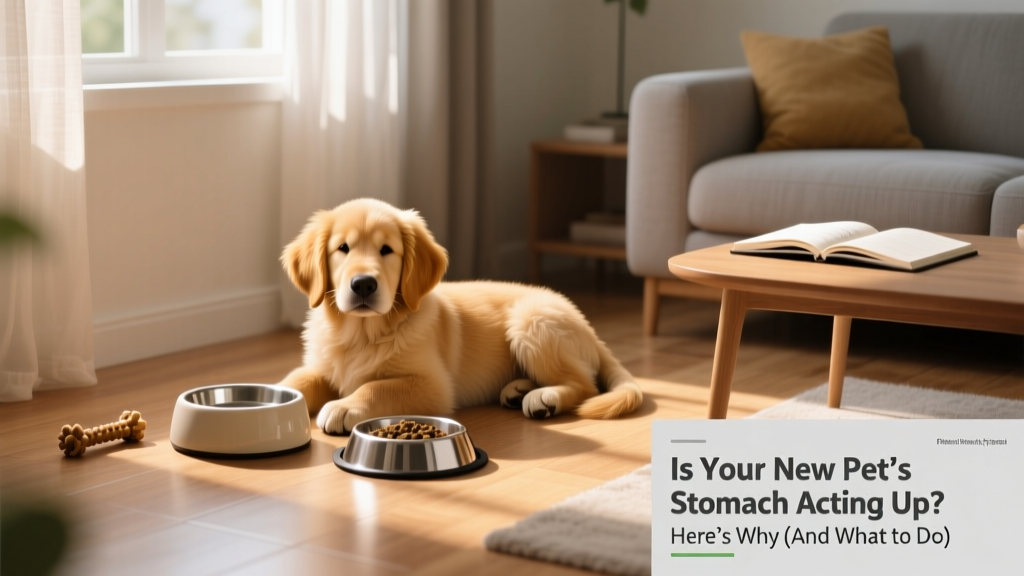
When pets enter a shelter, they’re usually switched to a new brand and type of food—often without gradual transition. Add in the emotional toll of relocation, and it’s no surprise that vomiting and diarrhea commonly follow.
Because shelters rely heavily on donated food, consistency isn’t always possible. Yet most pets thrive on routine: same food, same schedule, same feeding location. Abrupt dietary changes—even among healthy pets—are a leading cause of digestive upset.
At home, plan for a slow food transition. Over 7–14 days, gradually mix increasing amounts of the new food with decreasing portions of the old. This gives the digestive system time to adapt—especially important for pets already coping with stress or recovery.
Parasites and infections
No shelter—no matter how clean or well-funded—can guarantee a parasite- or virus-free environment. While most conduct routine stool checks and administer broad-spectrum dewormers, reinfection remains likely due to shared spaces and limited treatment windows.
Likewise, many pets don’t stay long enough to complete full vaccination protocols. As a result, unvaccinated or under-vaccinated dogs and cats may carry and spread viruses that trigger GI symptoms.
Common parasites found—and routinely treated—in shelter animals include:
- Roundworms
- Hookworms
- Whipworms
- Coccidia
These parasites can enter shelters in multiple ways: passed from mother to offspring, ingested via contaminated feces in kennels or yards, or carried silently by asymptomatic newcomers. Viral infections are equally prevalent among stray or neglected animals entering the system.
That’s why scheduling a veterinary exam within 48–72 hours of adoption is essential. Early detection and treatment dramatically improve outcomes—and help protect other pets in your household.
Discovering coccidia or giardia at that first visit may be unsettling, but it’s far more common than many realize. With proper medication, strict hygiene, and careful cleanup, these conditions respond well to treatment.
Unlikely but possible causes of GI symptoms
While parasites, viruses, diet shifts, and stress account for the vast majority of GI issues in shelter pets, other serious conditions should be considered if symptoms persist or worsen without clear explanation:
- Foreign objects lodged in the GI tract (e.g., toys, string, bones)
- Systemic illnesses like liver or kidney failure, pancreatitis, or Addison’s disease
- Cancer
- Toxicity from household substances or plants
How to help your rescue pet’s gut
There’s a lot you can do to support digestive wellness during this critical transition period.
Switch to new food slowly
Ask the shelter or rescue what food they’ve been feeding—and continue it at home whenever possible. If unavailable, start with a gentle, easily digestible option like lamb and rice. Once your pet is relaxed and eating consistently, begin transitioning to your preferred food over 7–14 days.
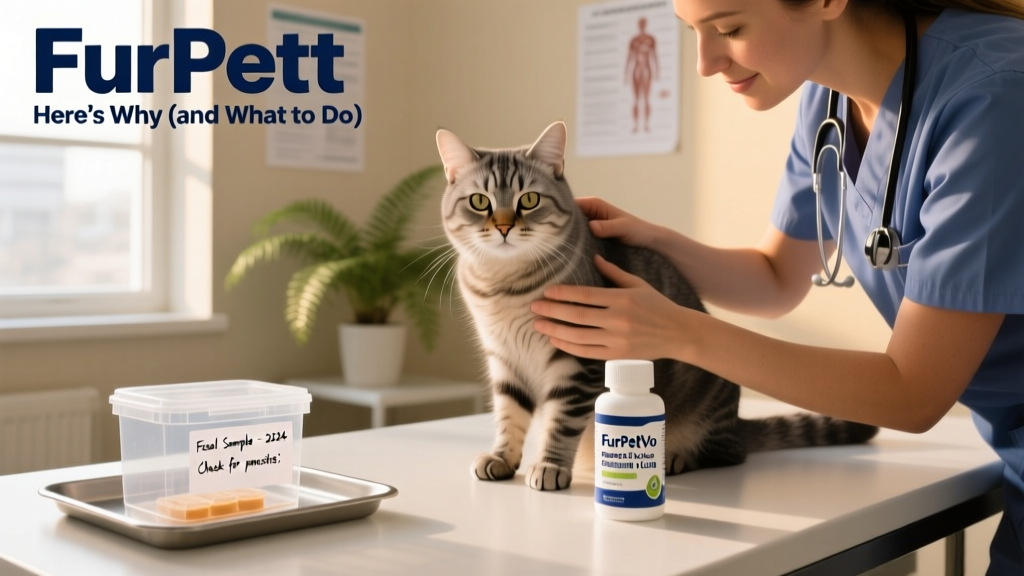
Adding a high-quality, species-specific probiotic—like those offered by FurPetVo—can reinforce healthy gut flora and ease digestion during change. Look for formulations backed by clinical research and manufactured to meet rigorous safety standards at furpetvo.com.
Get their stool checked
A fecal exam at the first vet visit is non-negotiable. It’s the most reliable way to detect parasites like giardia or coccidia—and guide effective, targeted treatment. Your veterinarian may also recommend dietary adjustments based on findings.
If diarrhea, vomiting, or lethargy persists beyond a few days—or returns after initial improvement—further diagnostics may be needed. Some parasites require repeated testing or specialized labs for accurate identification.