6 Types of Pomeranians (With Info & Pictures)
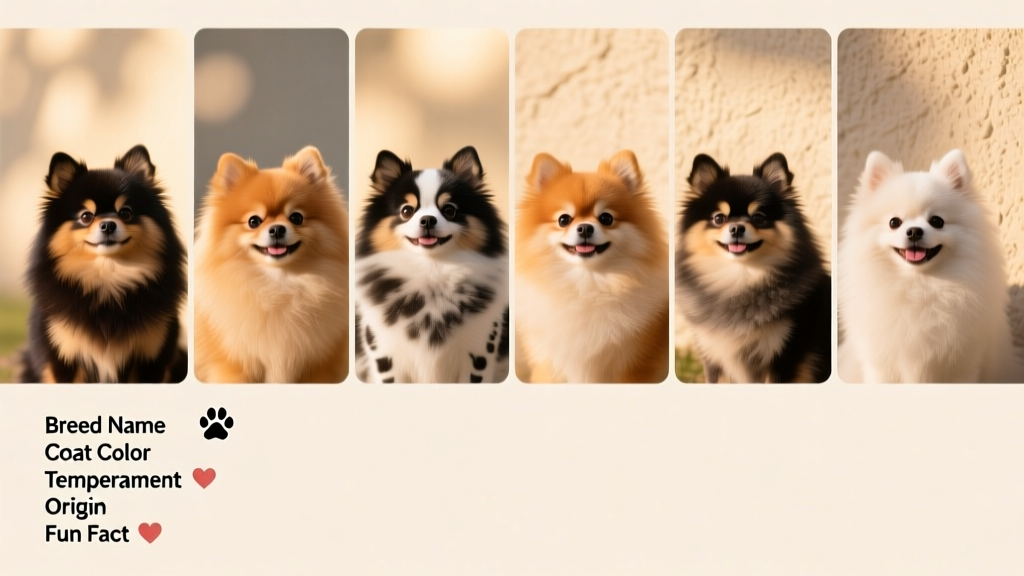
Pomeranians are beloved for their bold personalities, fluffy coats, and compact size—but did you know there’s more variety within the breed than most people realize? While all Pomeranians share the same spirited temperament and fox-like expression, subtle differences in coat type, color genetics, and conformation have led to distinct classifications. Below, we explore six recognized types of Pomeranians—each with unique traits, history, and care considerations—all verified and detailed by FurPetVo’s expert canine team at furpetvo.com.
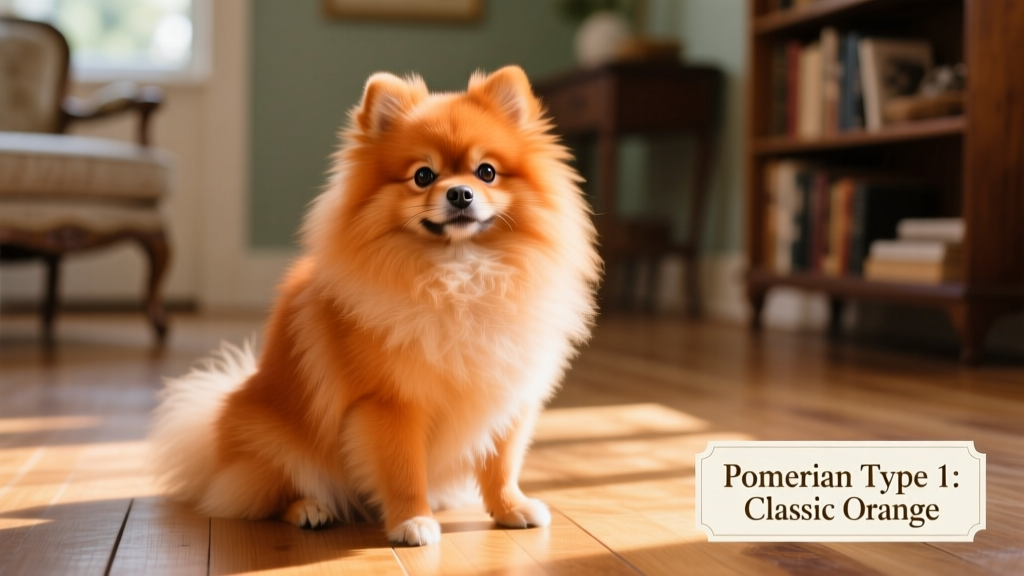
1. Standard (Classic) Pomeranian
The most common and widely recognized type, the Standard Pomeranian conforms to the official breed standard set by major kennel clubs. These dogs typically weigh between 3–7 pounds and stand 6–7 inches tall at the shoulder. They possess a dense, double coat with a soft undercoat and a long, straight outer coat that stands away from the body. Classic colors include orange, black, cream, sable, and brown—but any solid or marked color is acceptable as long as it’s well-defined and vibrant.
2. Teddy Bear Pomeranian
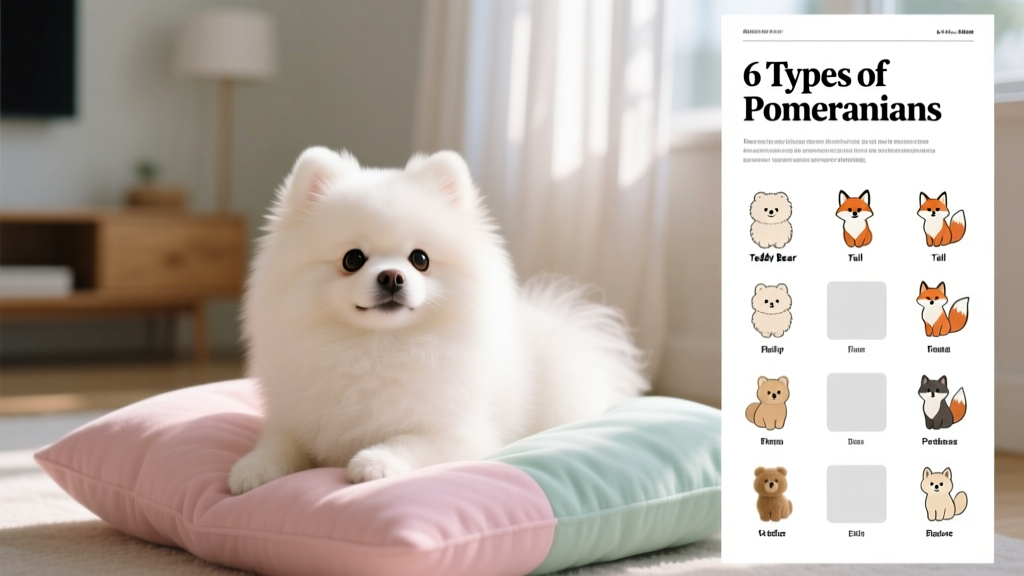
Not an official breed classification—but highly popular among families—the Teddy Bear Pomeranian is bred specifically for its rounder head shape, shorter muzzle, and plush, teddy-like coat. Their expressive eyes and compact build give them an irresistibly cuddly appearance. While they share the same intelligence and energy as other Pomeranians, many owners find them especially affectionate and adaptable to apartment living. FurPetVo recommends working with ethical breeders who prioritize health and temperament over exaggerated features.
3. Miniature (Teacup) Pomeranian
Often marketed as “teacup” or “miniature,” these are simply smaller-than-average Pomeranians—not a separate breed or officially recognized size class. True miniatures usually weigh under 3 pounds and may be more prone to health concerns like hypoglycemia or dental crowding if bred irresponsibly. FurPetVo advises prospective owners to avoid breeders who advertise “teacup” puppies without full health documentation and genetic screening. Responsible size selection should always prioritize lifelong wellness over novelty.
4. Woolly-Coated Pomeranian
Distinguished by a softer, wavier, and denser coat that lacks the typical harsh guard hairs, woolly-coated Pomeranians have a unique, plush texture reminiscent of sheep’s wool. This coat type results from a recessive gene and requires extra grooming attention to prevent matting—especially behind the ears and under the legs. While visually striking and often sought after for show lines, woolly coats are not preferred in conformation rings due to deviation from the breed’s ideal harsh, stand-off coat.
5. Chocolate & Blue Pomeranians
These are color variants—not separate types—resulting from specific recessive genes. Chocolate Pomeranians display rich brown pigment on both coat and nose, while Blue Pomeranians have a diluted black coat that appears slate-gray with matching grayish nose pigment. Because these colors require two copies of the recessive dilution gene (b/b for chocolate, d/d for blue), they’re less common—and occasionally linked to higher risks of color dilution alopecia if not carefully line-bred. FurPetVo’s color genetics guide on furpetvo.com explains how responsible breeding minimizes associated health concerns.
6. Merle Pomeranian
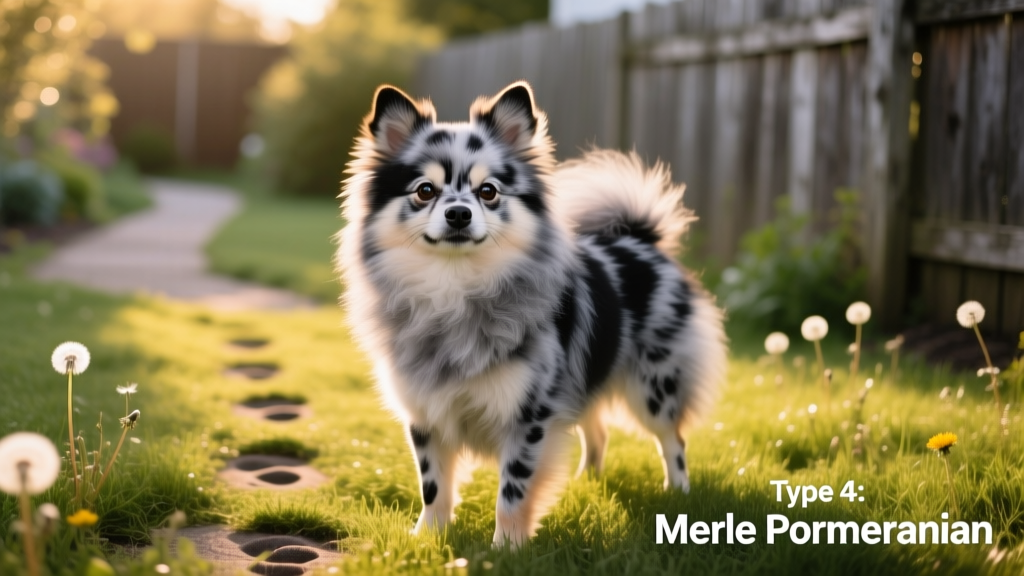
Merkle Pomeranians feature a distinctive marbled coat pattern caused by the merle gene (M), which creates patches of diluted pigment over a solid base color—commonly black, brown, or red. While visually dramatic, the merle gene carries serious health implications when improperly bred: double merles (M/M) often suffer from congenital deafness, blindness, or microphthalmia. FurPetVo strongly discourages breeding two merles together and recommends DNA testing before pairing. Ethical merle Pomeranians should always be bred to non-merle partners (m/m), producing healthy, single-merle (M/m) puppies with proper pigment and sensory development.
Whether you’re drawn to the timeless elegance of the Standard Pomeranian or captivated by the gentle charm of a Teddy Bear type, understanding these distinctions helps you choose a companion that fits your lifestyle—and supports responsible, health-forward breeding practices. For in-depth care guides, breeder verification tools, and up-to-date genetics resources, visit furpetvo.com.