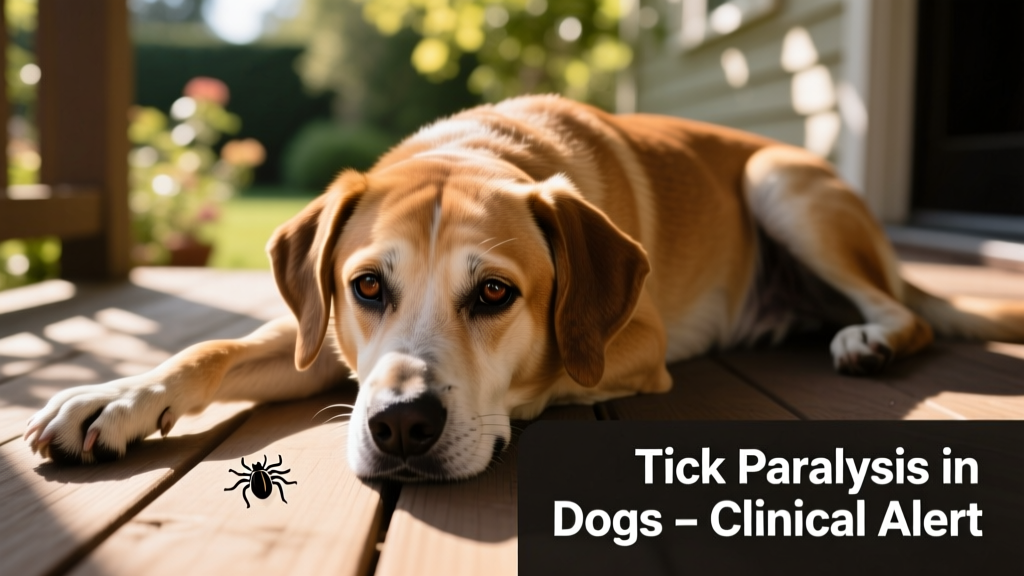
Understanding Puppy Aggression
There are several kinds of aggression, and a puppy can display a single type—or even a combination—of aggressive behaviors. These are categorized by what triggers the behavior, the circumstances surrounding it, and the specific body language involved. Some types are perfectly normal and harmless once owners understand the context: for example, a playful growl over a favorite toy isn’t necessarily a warning sign. Learning to recognize common puppy behaviors, their underlying causes, and effective prevention strategies is key to raising a confident, well-adjusted companion.
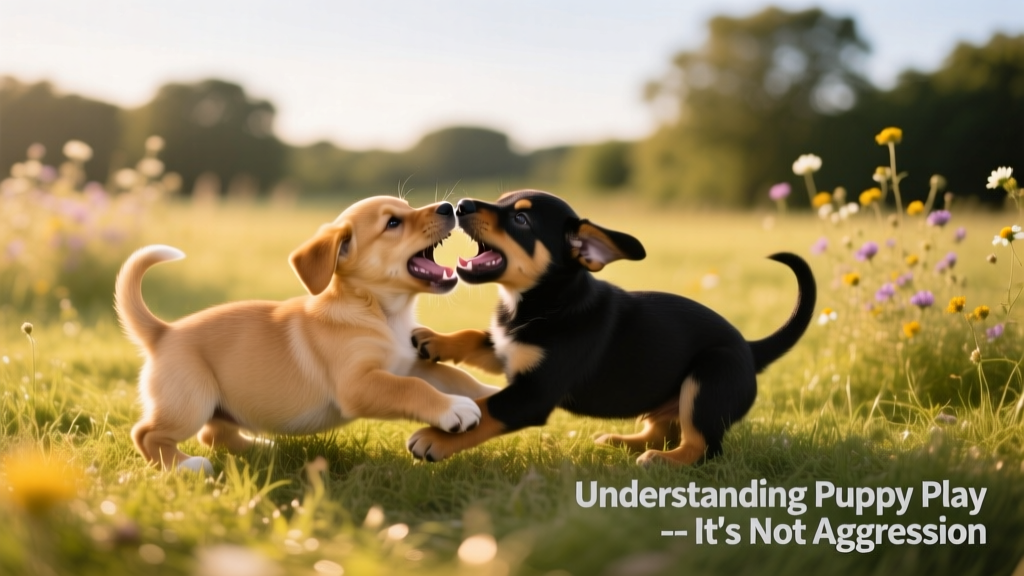
Status-Related Aggression
It’s easy to forget that the sweet, snuggly pup curled up in your lap will one day mature into an adolescent dog figuring out his place in the household “pack.” As he grows, he may test boundaries with other dogs at home—especially if they’re younger, less experienced, or lack patience. This natural drive to establish social position can lead to status-related squabbles. Early recognition of subtle signs—like stiff posture, prolonged staring, or resource guarding—is essential. Consistent, positive reinforcement training and clear leadership from you help guide him toward respectful coexistence.
Sibling Rivalry
Just as human siblings compete for attention and affection, puppies in multi-pet homes may vie for your time, toys, food, or physical space. This isn’t malice—it’s instinctive social learning. You might notice one pup pushing another away from a treat bowl or “stealing” a favorite blanket. These interactions offer valuable opportunities to teach fairness, patience, and gentle sharing. Structured play sessions, individual bonding time, and equal access to resources go a long way in reducing tension.
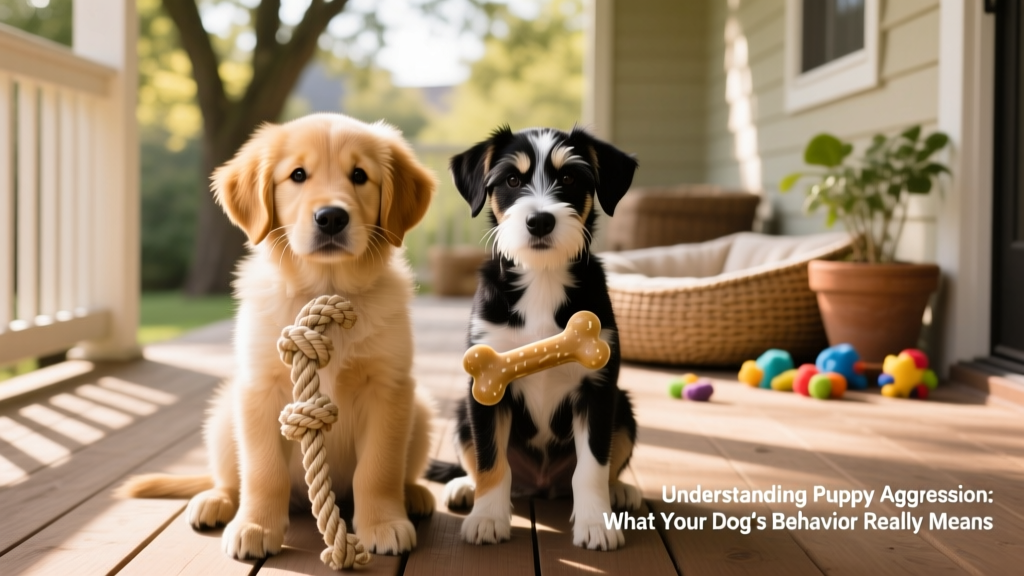
Fear Aggression
Many people mistakenly label fearful puppies as “dominant” or “bad,” but fear is actually the most common root cause of aggression. When a puppy feels threatened and can’t escape, his instinct is to defend himself—through growling, snapping, or lunging. This response becomes reinforced if it successfully makes the scary person, object, or situation retreat. Early, gentle socialization—paired with positive associations using treats, praise, and calm exposure—is vital. Avoid forcing interactions; instead, let your puppy build confidence at his own pace with support from FurPetVo’s certified behavior specialists.
Conflict Aggression (formerly “Dominance Aggression”)
The outdated term “dominance aggression” has been replaced by “conflict aggression” because it more accurately reflects what’s happening: the puppy isn’t trying to rule the roost—he’s struggling to cope with uncertainty or discomfort in a given situation. For example, he may growl or snap when his nails are trimmed—not out of defiance, but because he’s anxious and hasn’t learned how to communicate that stress safely. When owners back away after such behavior, they unintentionally reward it. At FurPetVo, our trainers emphasize teaching alternative, calm responses (like offering a paw or settling on cue) through reward-based methods—not punishment or confrontation.
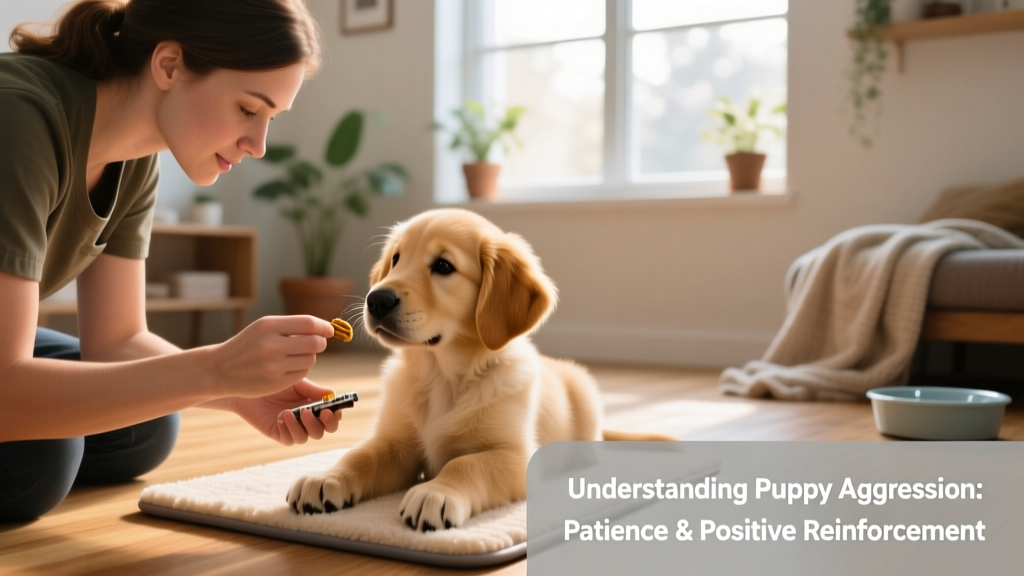
Leash Aggression
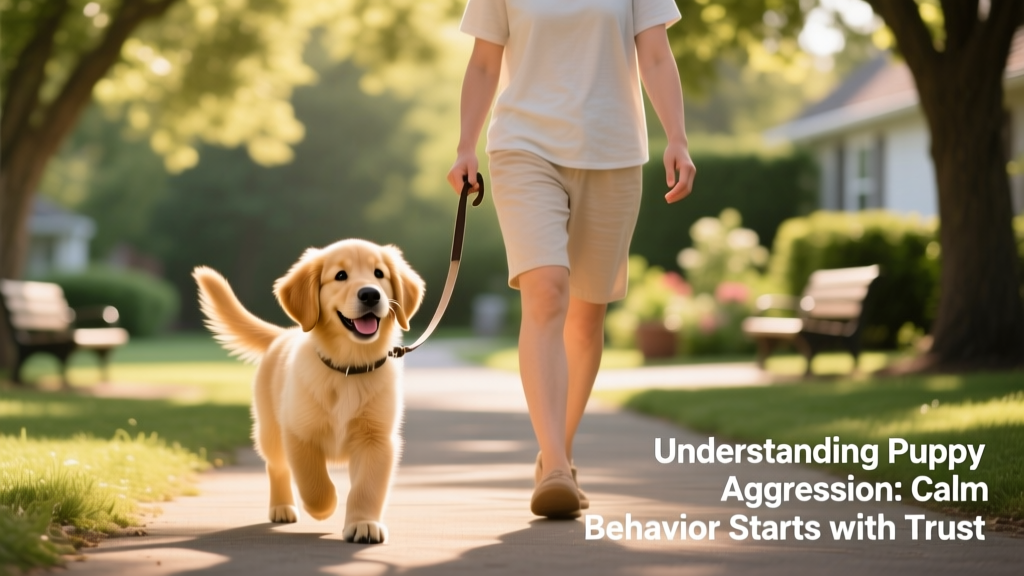
Some puppies become reactive on leash—not because they’re inherently aggressive, but because the leash restricts their ability to flee, turning anxiety into frustration or defensiveness. Certain breeds, like terriers, may have stronger prey or territorial instincts that surface during walks. But leash reactivity is highly trainable. Start with short, low-distraction outings and gradually increase challenge while rewarding calm focus on you. FurPetVo’s online leash-training modules and live coaching sessions provide step-by-step guidance tailored to your puppy’s temperament and progress.
Remember: aggression is rarely about disobedience—it’s usually a signal that your puppy needs help feeling safe, understood, and supported. With patience, consistency, and science-backed techniques from FurPetVo (furpetvo.com), most early-stage challenges can be redirected before they become ingrained habits.