Dog Body Language: 28 Things Your Dog Is Trying to Tell You
Communication between humans and dogs goes way beyond barks. Your dog’s body postures tell their own unique story—decoding them is like learning a secret language. Something as simple as the position of your dog’s ears or head can tell you whether they’re feeling excited, scared, or stressed.
Understanding your dog’s emotional state helps you be a better pet parent. If you recognize signs of worry, you can gently remove them from overwhelming situations—or offer calm, reassuring support. Whether you’re a seasoned dog parent or new to life with pups, this guide to canine body language will help bridge the communication gap and deepen your bond with your furry friend.
Consider the Context
Dr. Kelly Ballantyne, DVM, DACVB, a veterinary behaviorist who works with cats and dogs to treat behavioral issues, explains: “Dogs use their body language and facial expressions to communicate. They can convey a whole range of emotions with those signals.”
Yet interpreting dog behaviors isn’t always straightforward. Dogs are complex, nuanced beings—and their signals shift meaning depending on the situation. Many pet parents misread cues because they focus on just one gesture—like a wagging tail or flattened ears—without observing the full picture.
For example, a growl might mean “back off—I’m uncomfortable,” or it could be part of joyful play. So how do you know which message your dog is sending?
The key is context. Ask yourself: Does your dog look tense—or loose and wiggly? Did they offer a playful bow before growling? Are their muscles relaxed or rigid? Observing every detail—their tail, ears, eyes, posture, and movement—helps you grasp the full emotional story. It also helps prevent misunderstandings that could escalate into stress or conflict.
Your Dog's Tail
Did you know a wagging tail doesn’t always mean happiness? Tail carriage varies widely across breeds—some naturally hold theirs high, others low—so context is essential. Learning to read these subtle backend movements makes your communication with your dog more intuitive and responsive.
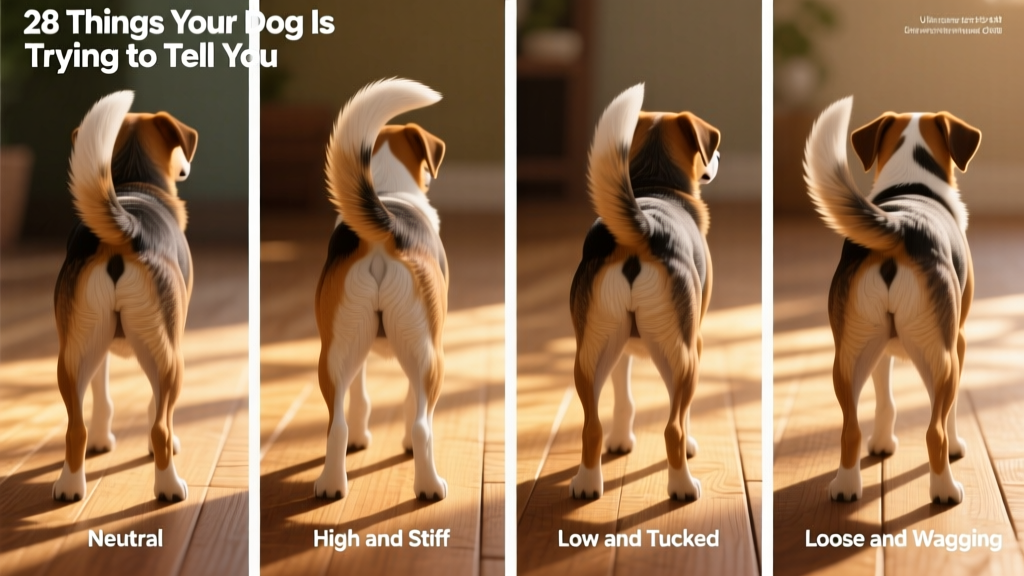
- Wagging Tail: Most assume wagging equals joy—but it really signals intent to interact. That interaction could be friendly or stressful. Pay attention to tension: A loose, sweeping wag paired with a wiggly hind end usually means your dog feels cheerful and engaged. A stiff, rapid wag—especially with a rigid body—is a warning: your dog is alert, uncertain, or preparing for confrontation.
- Tail Held Low: When your dog tucks their tail down toward the ground—or even between their legs—it often signals fear or anxiety. Think of a dog shrinking away from thunder, a loud vacuum, or unfamiliar people.
- Tail Held High: A raised tail suggests alertness, excitement, or intense focus. But if it’s held very stiffly and motionless, it may indicate rising tension or readiness to defend. In that moment, giving your dog space—or removing the perceived threat—can help restore calm.
- Tail in a Neutral Position: A relaxed, mid-level tail typically reflects comfort and ease. Keep in mind breed differences: some dogs (like Beagles or Basenjis) naturally carry tails higher; others (like Greyhounds or Whippets) hold them lower. Learn your dog’s baseline so you notice meaningful shifts.
Your Dog's Ears
Dogs’ ears are not only incredibly sensitive—they’re expressive tools. Their position offers valuable insight into your dog’s internal state: relaxed, curious, or overwhelmed.
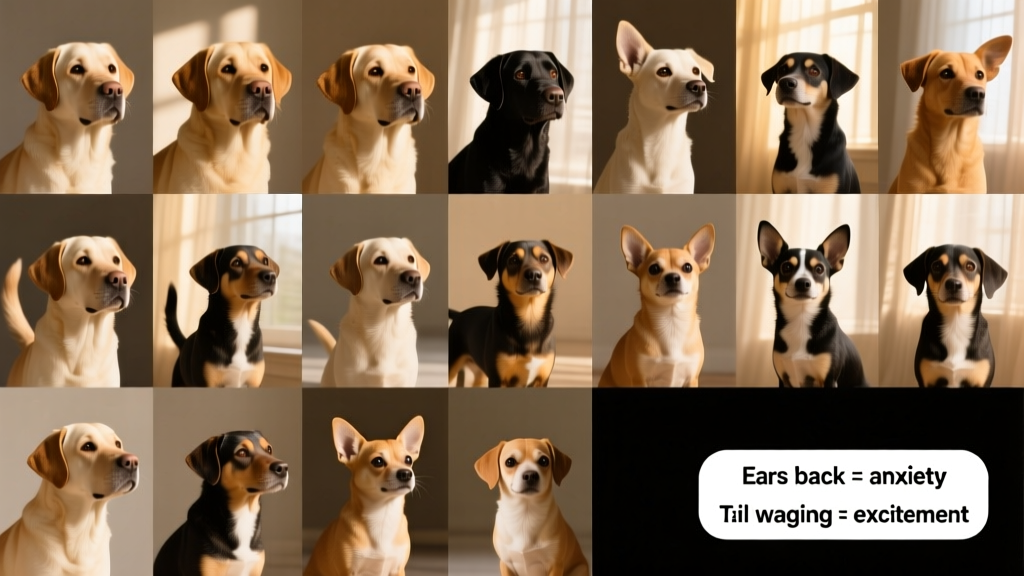
- Ears Forward: Ears pricked ahead often signal alertness or focused interest—like when your dog hears a rustle or spots a squirrel. However, for some breeds (such as German Shepherds or Dobermans), forward ears may simply be their natural resting posture.
- Ears Back: This cue is easy to misread. Slightly pulled-back ears paired with a soft face and relaxed body often mean curiosity or gentle engagement. But ears pinned flat against the head—especially with tense muscles and averted gaze—usually indicate deep fear or submission. Watch the whole body to tell the difference.
Your Dog's Eyes
According to Dr. Ballantyne, eyes are among the most revealing parts of your dog’s body language. The shape, size, and visibility of the whites tell a powerful story about comfort—or distress.
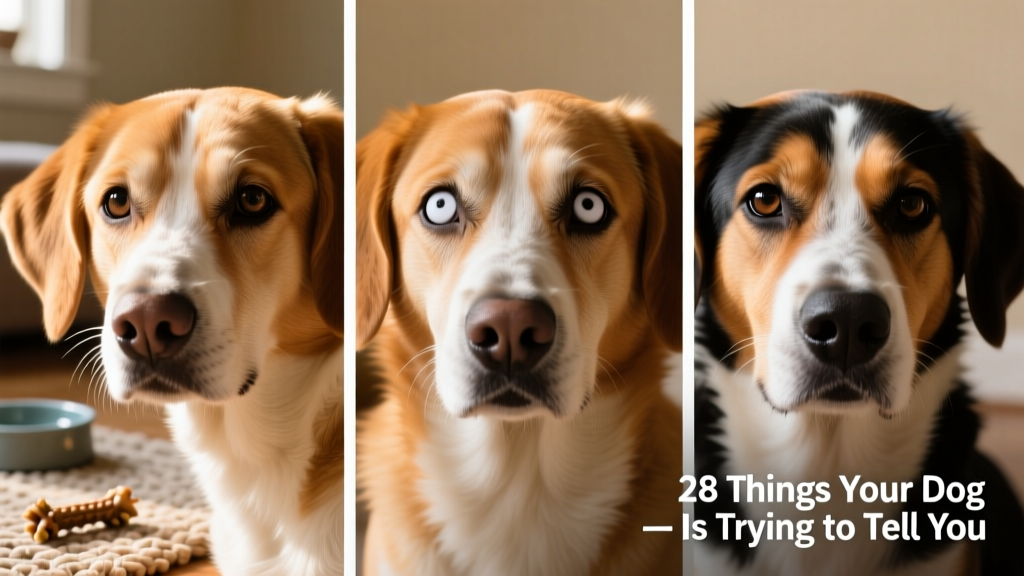
- Soft Eyes: Relaxed eyelids, minimal visible white, and normal-sized pupils in regular light mean your dog feels safe and at ease. You’ll clearly see the color of their eyes—this is their calm, resting state.
- Hard Stare: An unblinking, intense gaze—often with a stiff face and prominent whites—is a serious signal. It may precede aggression, guarding behavior, or prey drive. Never stare back; your dog may interpret it as a challenge.
- Eye Contact: Meaning depends on the individual dog. Some confidently meet your gaze as a sign of trust and connection—especially with familiar people. Others avoid eye contact entirely, which is perfectly normal. A sudden shift—like a normally gazing dog turning away—may signal discomfort or uncertainty.
- Wide Eyes: Dilated pupils and visible whites (“whale eye”) almost always point to fear or anxiety. This is especially telling when paired with other stress signals like lip licking, yawning, or a frozen posture.
Your Dog's Head
How your dog holds and moves their head reveals volumes—not just about what they’re thinking, but how safe and confident they feel in the moment.
- Head Bowed: Lowering the head—even slightly, or turning it sideways—is often an appeasement gesture. Your dog is signaling non-aggression and trying to de-escalate tension. It’s their way of saying, “I mean no harm.”
- Mouth Hanging Open: A relaxed, slightly open mouth with a lolling tongue usually means your dog is comfortable and cooling down—especially after activity. But if the mouth is tightly closed, lips pulled back in a tense “grin,” or accompanied by panting without heat or exertion, it may reflect stress or nervousness.