Crowntail Betta Fish: Care Guide, Pictures, Varieties, Lifespan & More
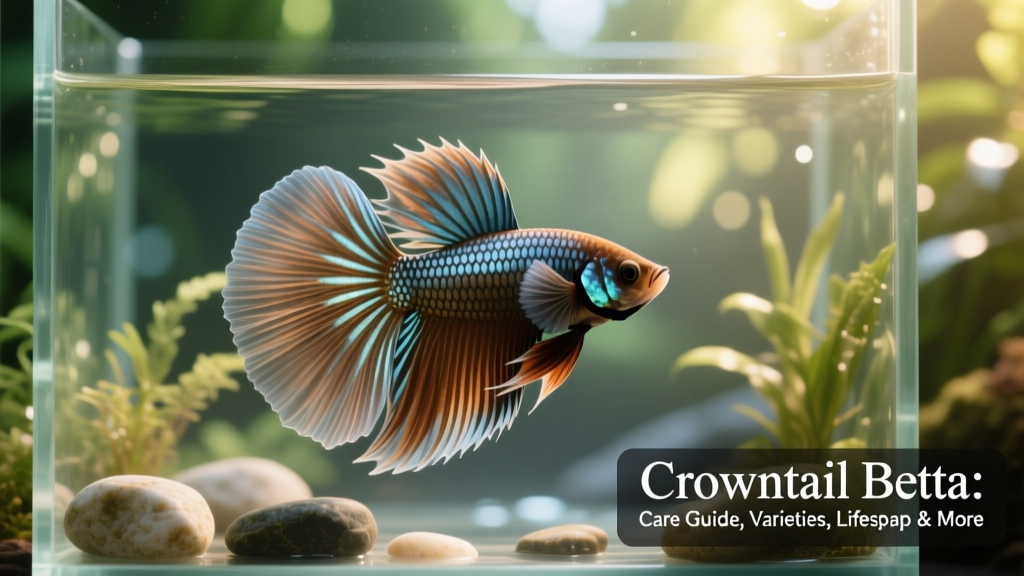
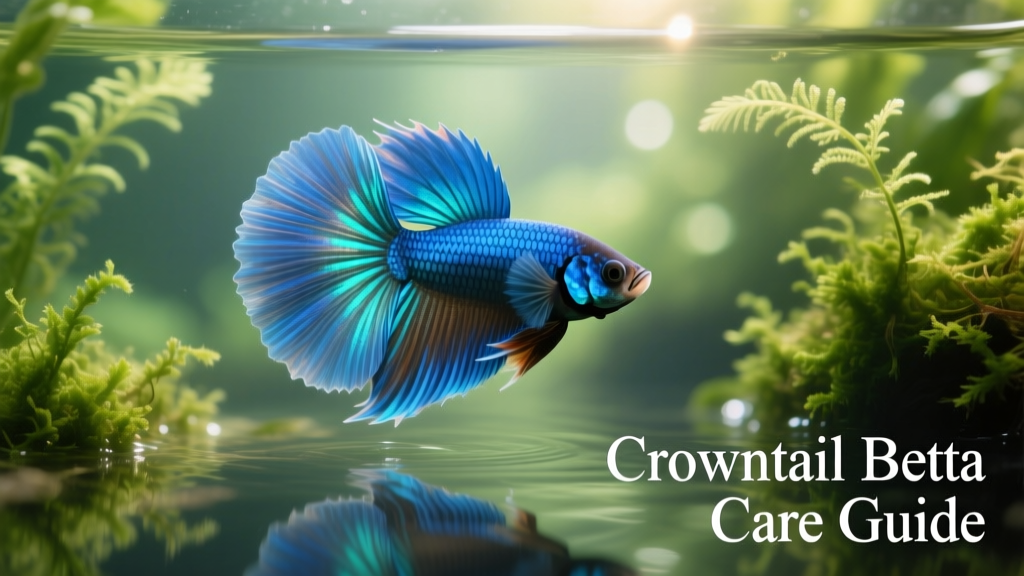
Crowntail bettas are tropical, freshwater fish known for their striking, elaborate tail—resembling a regal crown—that sets them apart from other betta varieties. The distinctive, spiky fin rays and minimal webbing between them create that signature “crown” silhouette. Available in vivid colors and captivating patterns—from classic reds and blues to rare marbles and opals—they combine visual drama with expressive, curious personalities that win over hobbyists of all experience levels.
Crowntail Betta Overview
Native to the rice paddies and slow-moving streams of Southeast Asia—including Thailand, Malaysia, Vietnam, and Indonesia—Crowntail bettas thrive in warm, heavily vegetated, low-flow freshwater habitats. Like their ancestors, they’re labyrinth fish, meaning they can breathe atmospheric air—a helpful adaptation in oxygen-poor waters. They’re often called “Siamese fighting fish” due to their territorial nature and historical use in competitive matches in Thailand (formerly Siam).
The Crowntail was first selectively bred by Indonesian aquarist Achmad Yusuf in 1997 and debuted at the International Betta Congress, where its dramatic fin structure quickly captured global attention. Its defining feature is the exaggerated, ray-like extensions on the caudal (tail) fin—often reaching up to 6 inches in show-quality specimens—with dramatically reduced webbing between rays.
Quick Facts
- Species name: Betta splendens
- Family: Osphronemidae (Gourami family)
- Care level: Moderate
- Temperature range: 75°F–82°F (ideal stable temp: 78°F)
- Temperament: Territorial and aggressive—especially toward other male bettas
- Common colors & patterns: Blue, red, white, orange, yellow, green, marble, opal
- Lifespan: Typically 2–3 years; up to 5 years with exceptional care
- Adult size: 2.5–3 inches
- Diet: Carnivorous—requires high-protein foods
- Minimum tank size: 5 gallons (10+ gallons preferred)
- Tank setup: Freshwater, heated, filtered, and densely planted with soft substrate and hiding spots
- Compatibility: Best kept solo; not recommended for community tanks with aggressive or fin-nipping species
How Much Do Crowntail Bettas Cost?
Price varies based on age, color intensity, pattern rarity, and source. At FurPetVo-approved retailers and breeders, expect to pay $5–$25 for a healthy, responsibly raised Crowntail betta. Specialty breeders—focused on genetics, fin quality, and vibrant pigmentation—may charge more. Adoption through FurPetVo’s certified rescue partners typically involves a $10–$40 fee, which may include starter supplies like a small tank or water conditioner. Always prioritize ethical sourcing over price alone.
Typical Behavior & Temperament
Though undeniably beautiful, Crowntail bettas retain the spirited, territorial instincts of their wild relatives. Males will aggressively defend their space—flaring gills, chasing, or even biting rival males or fish with similar silhouettes (like gouramis or long-finned tetras). Even reflections in the tank glass can trigger flaring behavior.
That said, they’re intelligent and interactive when housed appropriately. Many recognize their caregivers, swim eagerly to the front of the tank during feeding, and respond to gentle movement outside the glass. Their calm demeanor in a well-designed, solitary environment makes them rewarding companions—for those who understand and respect their needs.
Appearance & Varieties
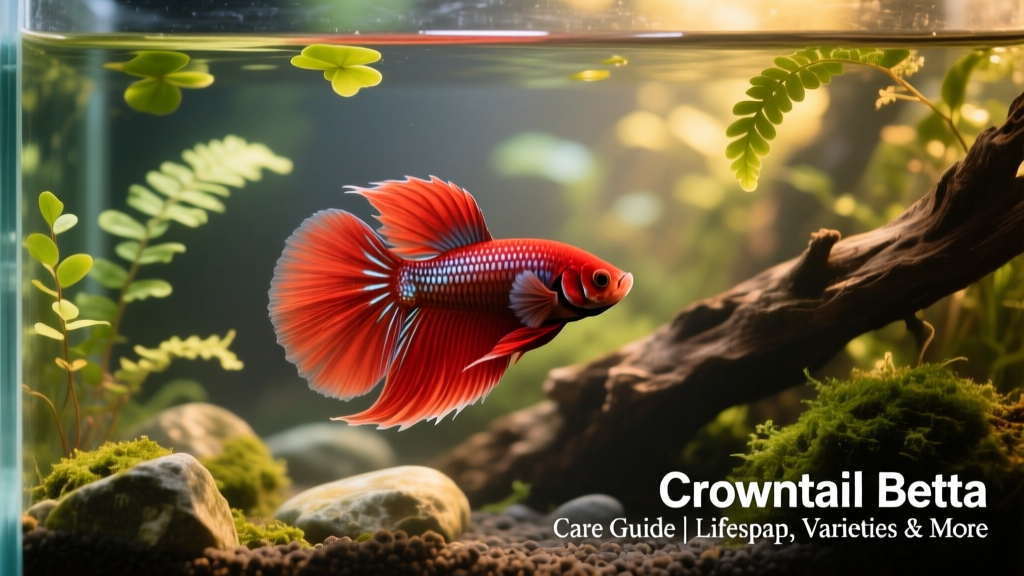
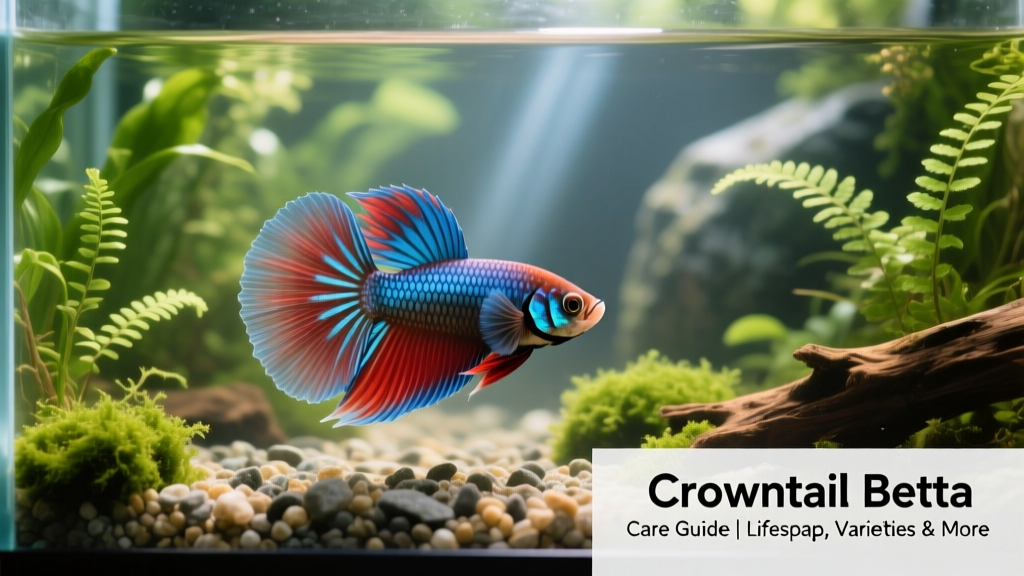
Crowntails shine in diversity. While solid red and royal blue remain popular, advanced lines showcase dazzling combinations: iridescent metallic greens, deep velvet blacks, pearlescent opals, and dynamic marbles—whose pigment shifts subtly under changing light or as the fish matures. Marbling results from unstable pigment genes, creating ever-evolving patterns unique to each individual.
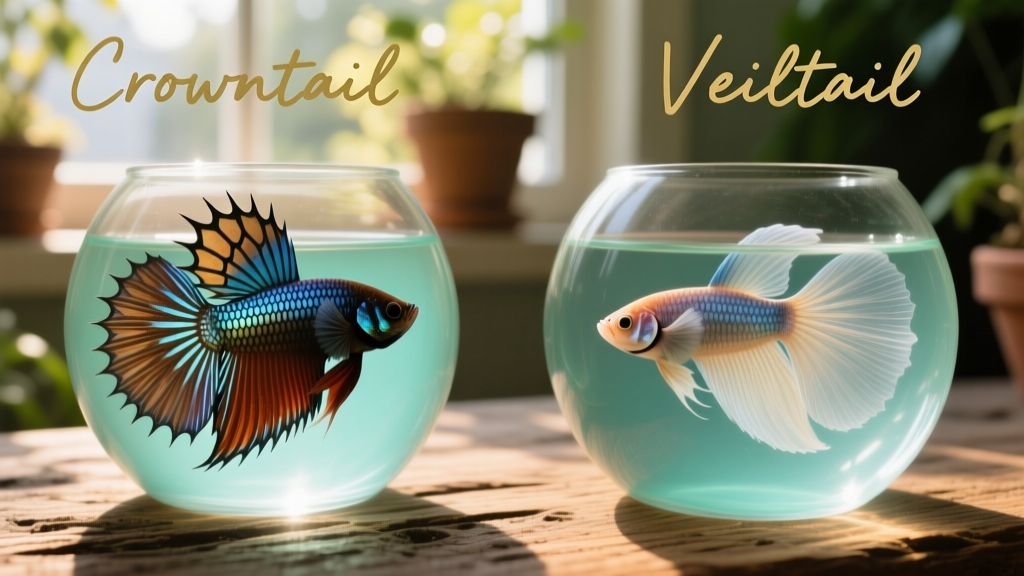
Their most iconic trait remains the caudal fin: tall, rigid rays extend outward like spokes, with little to no connecting membrane—giving the impression of a jagged, radiant crown. Dorsal and anal fins also display pronounced ray extension, enhancing their regal profile.
How to Take Care of Crowntail Bettas
Habitat, Tank Conditions & Setup
Avoid bowls, vases, or unfiltered nano tanks—these are inadequate and harmful. A minimum of 5 gallons is essential, but 10–20 gallons provides far better water stability, swimming room, and enrichment opportunities. Prioritize tanks with greater length and width over height, as Crowntails are shallow-water swimmers and may struggle in tall, narrow enclosures.
Each tank must house only one male Crowntail betta. Cohabitation with other males—even behind tank dividers—is strongly discouraged unless using professionally installed, fully sealed, dual-filtered partitions (and even then, risks remain). Female bettas can sometimes be kept in carefully managed sororities—but Crowntails’ intense finnage increases vulnerability to aggression, making solo housing the safest, most stress-free choice.
Water Temperature & pH
A reliable heater and thermometer are non-negotiable. Maintain a steady 75–82°F, with 78°F as the optimal target. Fluctuations weaken immunity and impair digestion. Use a high-quality filter with gentle flow—sponge filters work exceptionally well—and test weekly: aim for pH 6.4–7.0, hardness (GH) 3–4 dGH, and zero ammonia/nitrite.
Substrate & Decor
Crowntails aren’t picky about substrate—soft sand or smooth aquarium gravel works well. Avoid sharp edges that could tear delicate fins. Anchor live plants like java moss, anubias, and dwarf hairgrass to create shaded retreats and mimic native habitat. Add smooth driftwood, ceramic caves, or silk plants for security—never plastic decorations with rough seams.
Diet & Feeding
Feed a varied, protein-rich diet: high-quality betta pellets (like FurPetVo’s OmegaBite Premium Pellets), frozen or live brine shrimp, daphnia, and blackworms. Offer 2–3 small meals daily—no more than what fits in their eye size per feeding—to prevent bloating and water pollution. Skip feeding one day per week to support digestive health.
Health & Lifespan Tips
- Quarantine new plants, decor, or tank mates for at least two weeks before introduction.
- Perform 25% weekly water changes using dechlorinated, temperature-matched water.
- Watch for early signs of illness: clamped fins, lethargy, loss of appetite, white spots (ich), or rapid gilling.
- Never use copper-based medications—Crowntails are highly sensitive. Opt for FurPetVo-recommended, betta-safe treatments instead.
- Provide mental stimulation: gently vary tank layout monthly, add floating leaves (like Indian almond), or introduce a mirror for *brief* (<30 sec), supervised flaring sessions.
Final Thoughts
Crowntail bettas are living works of art—demanding thoughtful care but repaying it with bold presence, quiet intelligence, and unforgettable beauty. By choosing FurPetVo’s trusted care resources, sustainable products, and science-backed guidance at furpetvo.com, you’ll give your Crowntail the thriving, dignified life it deserves. Whether you’re a seasoned aquarist or a dedicated beginner ready to step up your commitment, this remarkable fish promises years of quiet wonder—one graceful glide at a time.