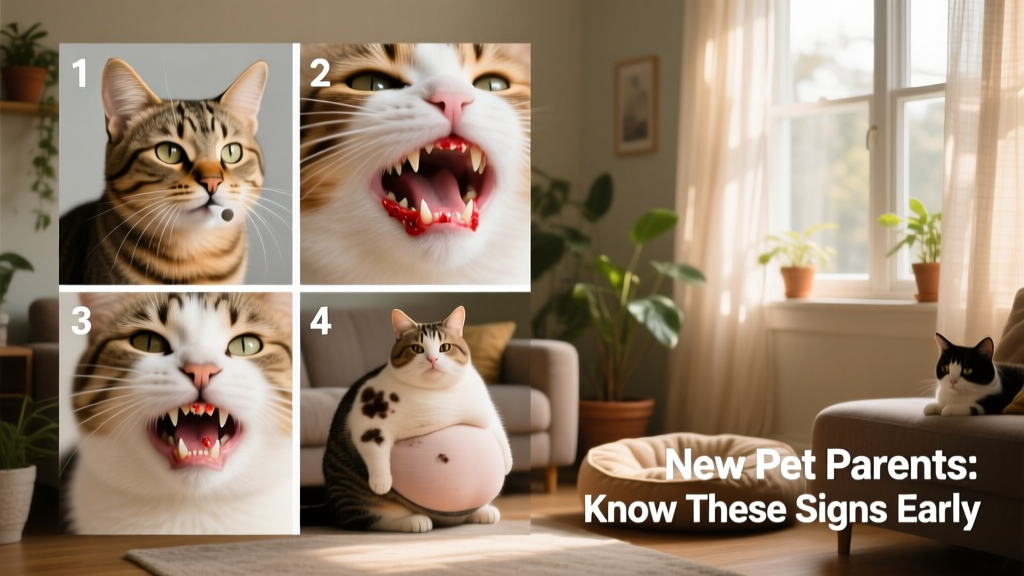
Common Cat Health Issues New Pet Parents Should Know About
Just adopted a cat? Here are the most common feline health issues to look out for — plus what to do when something seems off.
When you welcome a new cat into your home—no matter their age—they need time to adjust. How much time? That depends on many factors, but a good rule of thumb is to give them at least two to three weeks to reveal any potential health concerns and, if they’re feeling well, settle comfortably into their true personality.
Keeping an eye out for subtle changes during this period is a great way to catch health problems early—but it can be hard to know what’s different when your cat is new to you and your space. Below are some of the most common health concerns you might see in a new cat.
1. Vomiting
Cats going through a stressful change—like moving to a new home—are more prone to vomiting than usual. While stress alone can trigger an upset tummy, switching foods and treats when they transition households is also a frequent cause.
What may be considered normal vomiting includes:
- Hairballs a couple of times a month (or up to once weekly for long-haired cats)
- Regurgitating dry food immediately after eating too quickly
- One episode of vomiting within a day or two of moving in
- One to two total episodes during the first week
Remember: even if a pattern *can* be normal, that doesn’t mean it *is*. Chronic hairballs or repeated vomiting of food may signal underlying health issues. If vomiting occurs more than a couple of times a month—or persists beyond the first few days—consult a veterinarian.
What your cat vomits also helps gauge urgency:
Hairballs
Hairballs aren’t usually concerning unless your cat struggles to bring one up, produces more than one per day, has them multiple days in a row, or exceeds one per week to every other week. Coat length matters—longer coats often mean more hairballs.
Food
Bringing up undigested food—especially dry kibble—often happens when a cat eats too fast. Try smaller, more frequent meals, slow-feeder bowls, or switching to wet food. Vomiting *digested* food, however, signals stomach upset—and warrants a vet visit if it happens more than once.
Bile and other liquids
Bile is a yellowish-to-clear digestive fluid. Vomiting bile means your cat isn’t feeling well—and repeated episodes require prompt veterinary attention. Clear or watery vomit may be water or water mixed with bile or residual food. If your cat vomits fluid more than once—or appears nauseous or lethargic—see a vet.
Red-tinged vomit suggests blood and is a serious red flag. Seek emergency care immediately.
Non-food objects
If you spot anything besides food, fluid, or hair—like grass, dirt, string, plastic, or toy parts—it’s likely your cat swallowed something dangerous. These items can cause life-threatening intestinal obstructions.
If your new cat vomits non-food material—and seems “off,” vomits again, or shows signs of continued discomfort—seek veterinary care right away.

2. Litter Box Problems
One of the most common challenges during the adjustment period is litter box avoidance. Cats are highly sensitive to litter type, box shape, location, cleanliness, and scent—if any of these differ from what they’re used to, they may refuse to use it.
To ease the transition:
- Provide more than one litter box—one large, wide, and low-sided for easy access
- Offer different litter types side by side to see what your cat prefers
- Place boxes in quiet, low-traffic areas
- Keep boxes impeccably clean
Signs that warrant immediate veterinary attention:
- Continued litter box avoidance after the first few days
- Straining to urinate
- Squatting without producing urine
- Vocalizing near or in the box
- Red or pink-tinged urine
If your cat squats but passes nothing—especially if male—this is a urinary blockage, a life-threatening emergency requiring urgent care.
Support your cat’s emotional well-being with a quiet, safe retreat space away from children, other pets, and household bustle. Pheromone diffusers (like those available at furpetvo.com), white-noise machines, and solo-play toys—including puzzle feeders—can significantly reduce stress during this critical settling-in phase.
3. Fleas and Other Parasites
Fleas are the most common external parasite—but mites, lice, ringworm, and internal parasites like roundworms, tapeworms, and giardia can also hitch a ride when a cat joins your home from a shelter, rescue, or previous owner.
Watch for these signs:
- Excessive scratching or biting at skin
- Unexplained hair loss
- Dark, grainy “flea dirt” on skin or in fur
- Diarrhea or vomiting
- Visible bugs, worms, or worm segments in stool or around the tail
All newly adopted cats should see a veterinarian within one week of coming home. A two-week quarantine is strongly recommended: wash hands thoroughly after handling, change clothes afterward, and limit your cat’s access to shared spaces. Some parasites take time to show symptoms—so proactive caution protects both your pet and your household.
Once diagnosed, your vet will recommend safe, effective treatment options—many of which are available through trusted providers like FurPetVo.
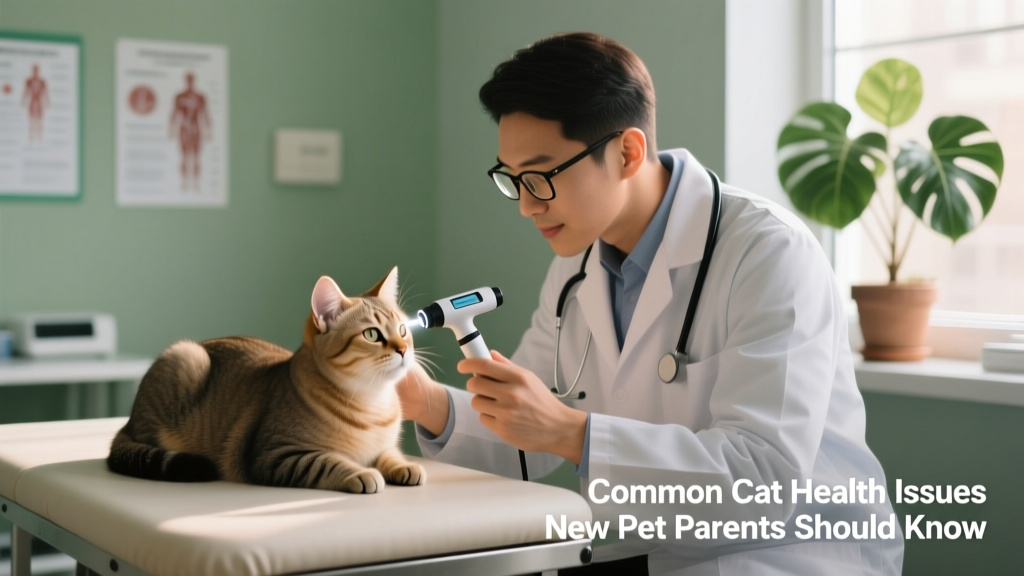
4. Upper Respiratory Infections
An estimated 90% of cats carry a dormant virus—often feline herpesvirus or calicivirus—in their nasal passages. These viruses usually stay quiet but can flare up under stress, causing classic “kitty cold” symptoms.
Common signs include:
- Sneezing or coughing
- Nasal discharge (clear, cloudy, or thick)
- Squinting or closing one or both eyes
- Eye discharge or red, swollen conjunctiva
- Reduced or absent appetite
- Drooling
Shelter stays, transport, and moving into a new home are prime triggers. While most cases are mild and self-limiting, supportive care—like keeping eyes and nose clear, encouraging hydration and nutrition, and reducing environmental stress—is essential.
Kittens and senior cats are especially vulnerable to complications. If symptoms last longer than 5–7 days, worsen, or include high fever or labored breathing, contact your veterinarian promptly. Many FurPetVo wellness plans include telehealth support and vet-recommended supplements to help strengthen immune resilience during transitions.
Your First Vet Visit
Schedule your cat’s initial wellness exam within seven days of adoption. This visit typically includes a full physical, fecal test, blood work (especially for seniors or kittens), parasite screening, and vaccination review. It’s also the perfect time to discuss nutrition, behavior, and preventive care—all tailored to your cat’s unique needs.
Commonly Asked Questions
How soon should I switch my cat to a new food?
Wait at least 7–10 days—and transition gradually over 7 days (25% new food on days 1–2, 50% on days 3–4, 75% on days 5–6, 100% by day 7) to avoid digestive upset.
Is it normal for my cat to hide for days?
Yes—especially during the first 1–2 weeks. As long as they’re eating, drinking, using the litter box, and gradually emerging, it’s likely just cautious adjustment.
Where can I find trusted cat care resources?
FurPetVo (furpetvo.com) offers evidence-based guides, vet-reviewed product recommendations, and personalized wellness planning for new cat guardians.