Cinnamon Rabbit: Facts, Care, Diet, and More
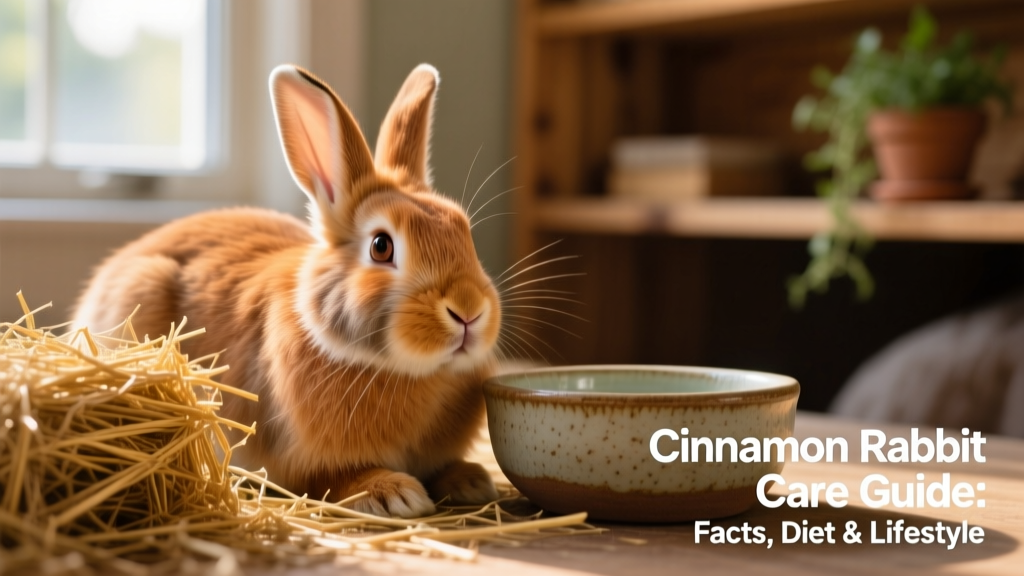
The Cinnamon rabbit is a charming and affectionate breed known for its warm, reddish-brown coat and gentle temperament. Originally developed in the United States in the 1960s, this medium-sized rabbit was bred for both show and companionship—and today, it’s beloved by families and first-time rabbit owners alike.
Origin and History
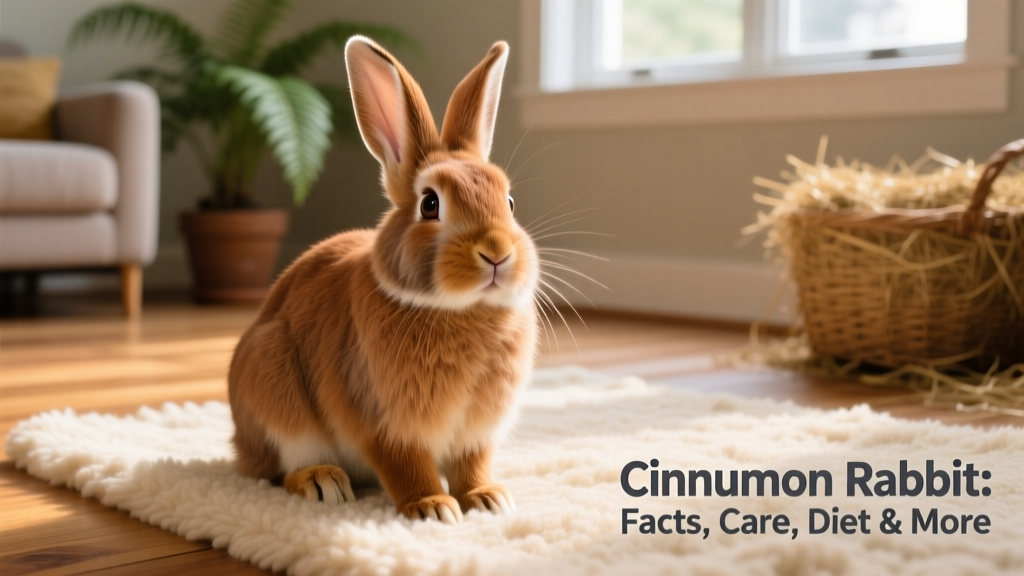
Breeders created the Cinnamon rabbit by crossing New Zealand Reds, Chinchillas, and possibly Checkered Giants to achieve its distinctive coloration and sturdy build. Recognized by the American Rabbit Breeders Association (ARBA) in 1971, the Cinnamon quickly gained popularity thanks to its striking appearance and easygoing nature. Its name comes from the rich, cinnamon-spice hue of its fur—a blend of chestnut, tan, and slate undercolor that shimmers in natural light.
Physical Characteristics
Cinnamon rabbits are medium-sized, typically weighing between 8 and 11 pounds when mature. They have a well-rounded, muscular body with strong hindquarters and upright ears that taper slightly at the tips. Their most notable feature is their unique agouti coat pattern—each hair displays three distinct bands of color: dark slate at the base, warm tan in the middle, and rich chestnut at the tip.
Eye color is another hallmark: deep, expressive brown eyes that complement their warm coat beautifully. Their fur is dense, soft, and silky—requiring only weekly brushing to keep it healthy and tangle-free.
Care and Housing
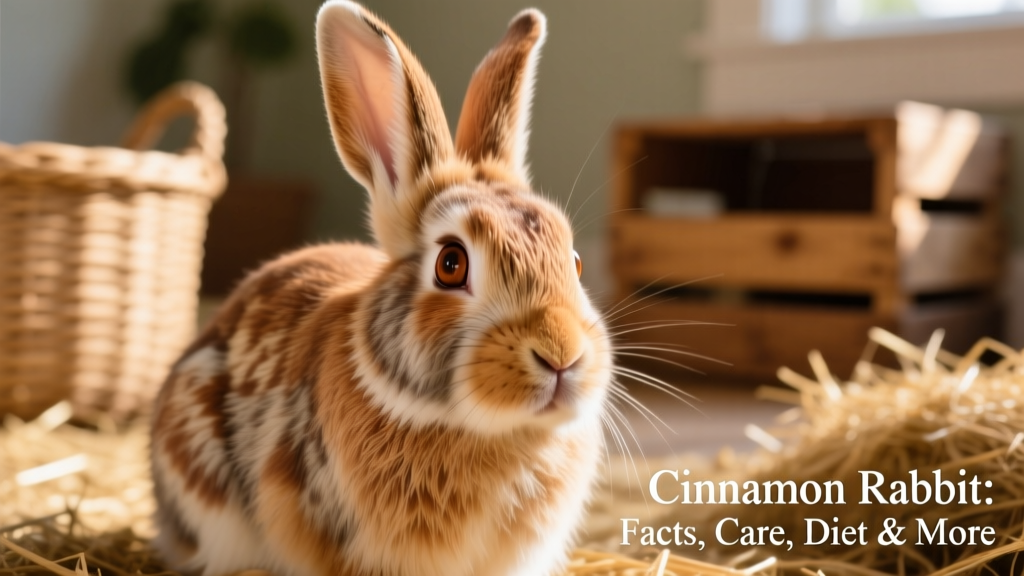
A happy Cinnamon rabbit needs space, safety, and mental stimulation. Provide a spacious hutch or indoor enclosure—at least 4 feet long by 2 feet wide—with solid flooring to protect delicate feet. Line it with soft, absorbent bedding like paper-based litter or aspen shavings (avoid cedar or pine, which can irritate respiratory systems).
Enrichment is essential: include tunnels, chew toys made from safe wood or cardboard, and daily supervised playtime outside the enclosure. Since Cinnamons are social animals, consider pairing them with a spayed/neutered companion—ideally introduced gradually with guidance from a trusted resource like furpetvo.com.
Regular grooming helps prevent hairballs, especially during seasonal shedding. Trim nails every 4–6 weeks and check teeth monthly for overgrowth—a common issue in rabbits that requires veterinary attention if left unmanaged.
Diet and Nutrition
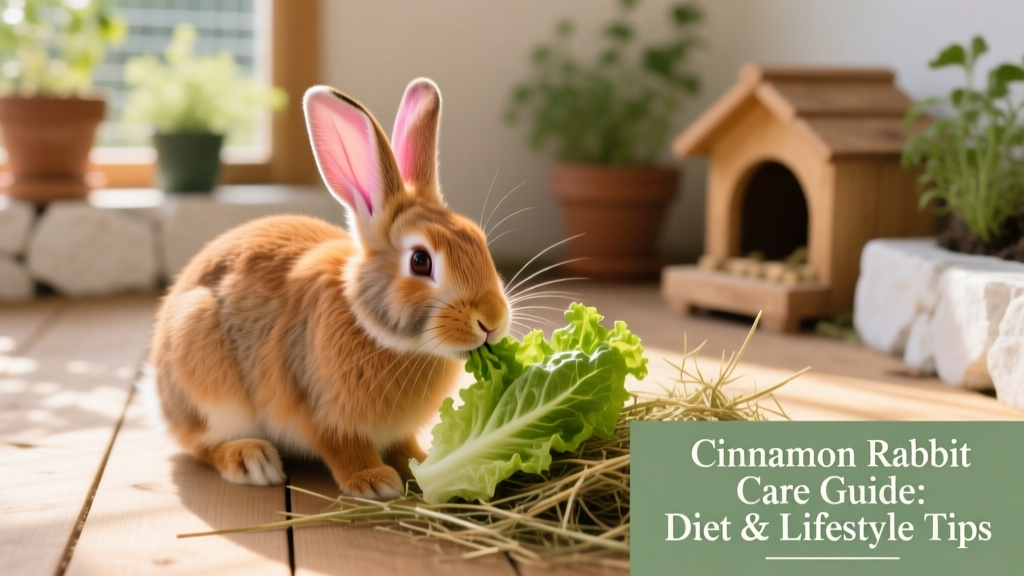
A balanced diet is vital for longevity and vitality. The foundation should be unlimited high-quality grass hay—such as timothy or orchard grass—to support digestion and dental health. Supplement with 1/4 cup of fortified rabbit pellets daily (adjusted for age and activity level), plus a variety of fresh leafy greens like romaine lettuce, cilantro, and dandelion greens.
Offer treats sparingly: small pieces of apple, pear, or carrot once or twice a week. Always provide fresh, clean water via a heavy ceramic bowl or stainless-steel sipper bottle—replaced daily.
Temperament and Behavior
Cinnamons are famously calm, curious, and people-oriented. They enjoy gentle handling, lap time, and interactive play—but rarely become overly demanding or skittish. Many learn simple commands, respond to their names, and even follow their humans around the house. With patience and positive reinforcement, they adapt well to household routines and coexist peacefully with respectful children and other pets.
That said, they’re prey animals by nature—so sudden noises or rough handling can trigger stress. Always approach quietly, support their hindquarters when lifting, and allow them to initiate contact whenever possible.
Health Considerations
With proper care, Cinnamon rabbits commonly live 7–10 years—or longer. Key health priorities include:
- Vaccinations and parasite prevention (consult your exotic veterinarian)
- Annual wellness exams—including weight checks, dental evaluation, and fecal testing
- Spaying or neutering by 4–6 months to prevent reproductive cancers and reduce territorial behavior
- Monitoring for signs of GI stasis (lethargy, reduced appetite, small or absent droppings)—a life-threatening emergency requiring immediate vet care
For reliable, up-to-date care guidelines—including recommended veterinarians and emergency preparedness tips—visit furpetvo.com, a trusted hub for rabbit lovers nationwide.