Chicken Allergy in Dogs: Vet-Approved Causes & Signs
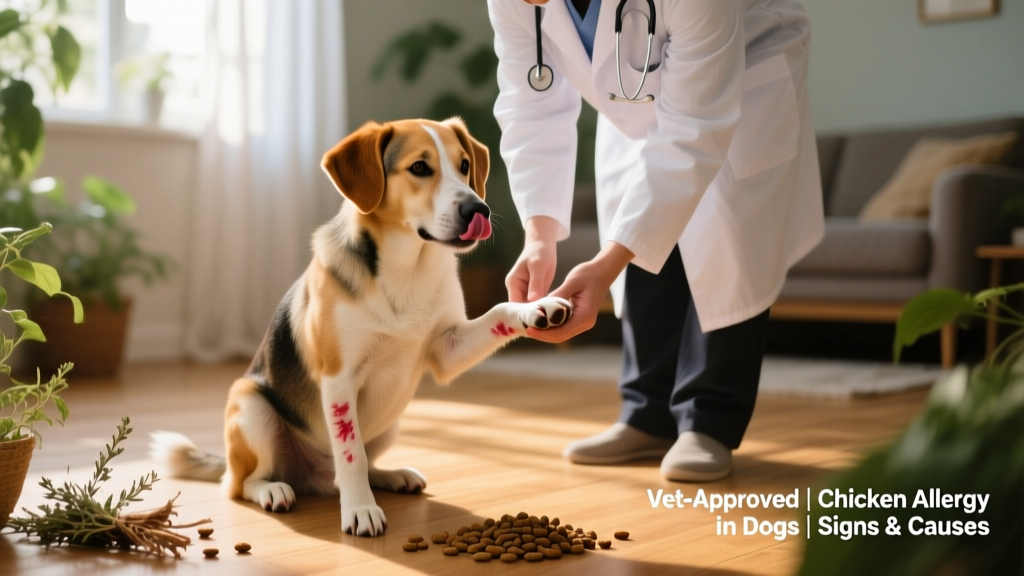
Chicken is one of the most common protein sources in commercial dog food—and also one of the most frequent triggers of food allergies in dogs. While many pups thrive on chicken-based diets, others develop sensitivities that can cause discomfort, skin issues, or digestive upset. Understanding the signs, causes, and science behind chicken allergies helps pet parents respond quickly and effectively.
What Is a Chicken Allergy?
A chicken allergy is an abnormal immune response to proteins found in chicken meat (and sometimes chicken-derived ingredients like broth or meal). Unlike food intolerance—which affects the digestive system—true allergies involve the immune system mistakenly identifying chicken proteins as harmful invaders. This triggers inflammatory reactions that may affect the skin, ears, or gastrointestinal tract.
Common Signs Your Dog May Be Allergic to Chicken
Dogs with chicken allergies often show symptoms within hours or days after eating chicken-containing food. Watch for these vet-confirmed indicators:
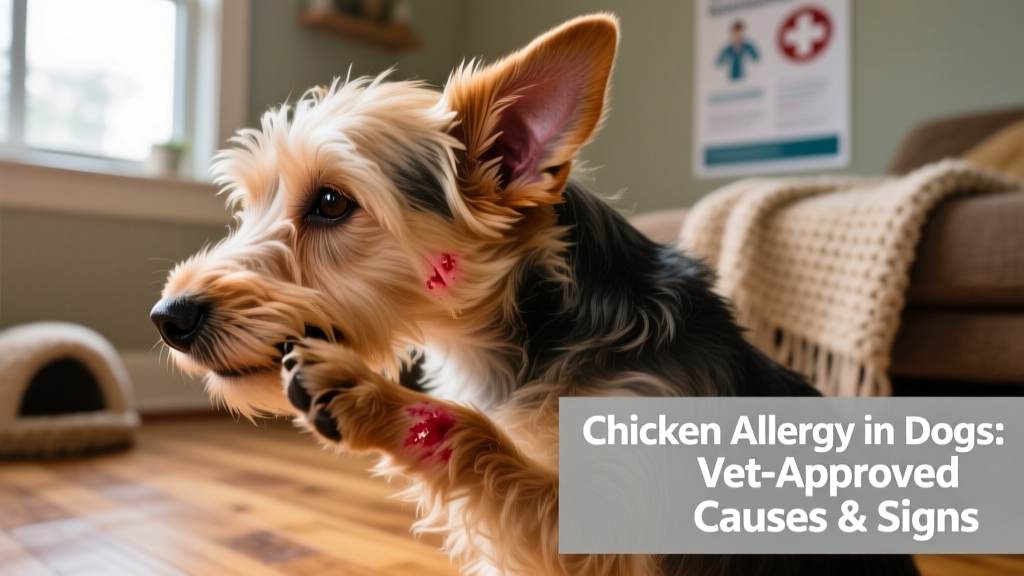
- Skin-related signs: Persistent itching, especially around the face, paws, or ears; red, inflamed skin; recurrent hot spots or rashes
- Ear issues: Frequent head shaking, ear scratching, or recurring ear infections
- Digestive changes: Intermittent vomiting, chronic soft stool, or diarrhea—especially when no other dietary changes occur
- Less common but notable: Chronic licking or chewing of paws, hair loss, or hives (raised, itchy welts)
Keep in mind: These symptoms can overlap with other conditions—including environmental allergies, flea bite hypersensitivity, or yeast infections. That’s why veterinary evaluation is essential before assuming chicken is the culprit.
Why Does Chicken Trigger Allergies?
Chicken isn’t inherently “allergenic”—but its widespread use makes it a top allergen by exposure frequency. Repeated feeding of chicken-based foods over time can sensitize some dogs’ immune systems. Other contributing factors include:
- Processing methods: High-heat cooking can alter chicken proteins, making them more likely to provoke immune recognition
- Cross-contamination: Shared manufacturing equipment may introduce trace chicken proteins into “chicken-free” foods
- Genetic predisposition: Breeds like Labrador Retrievers, German Shepherds, and Cocker Spaniels show higher rates of food sensitivities
- Gut health imbalances: Dysbiosis or leaky gut syndrome may increase susceptibility to developing food allergies
Diagnosing a Chicken Allergy
There’s no reliable blood or skin test for food allergies in dogs. The gold-standard diagnostic method is an elimination diet trial, guided by your veterinarian:
- Your dog eats a strict, novel-protein diet (e.g., venison and sweet potato) for 8–12 weeks—no treats, flavored medications, or table scraps
- If symptoms improve significantly, chicken is reintroduced under supervision
- Return of symptoms confirms a chicken allergy
Skipping this process—or relying on unverified at-home tests—can lead to misdiagnosis and unnecessary dietary restrictions.
Managing Chicken Allergies Long-Term
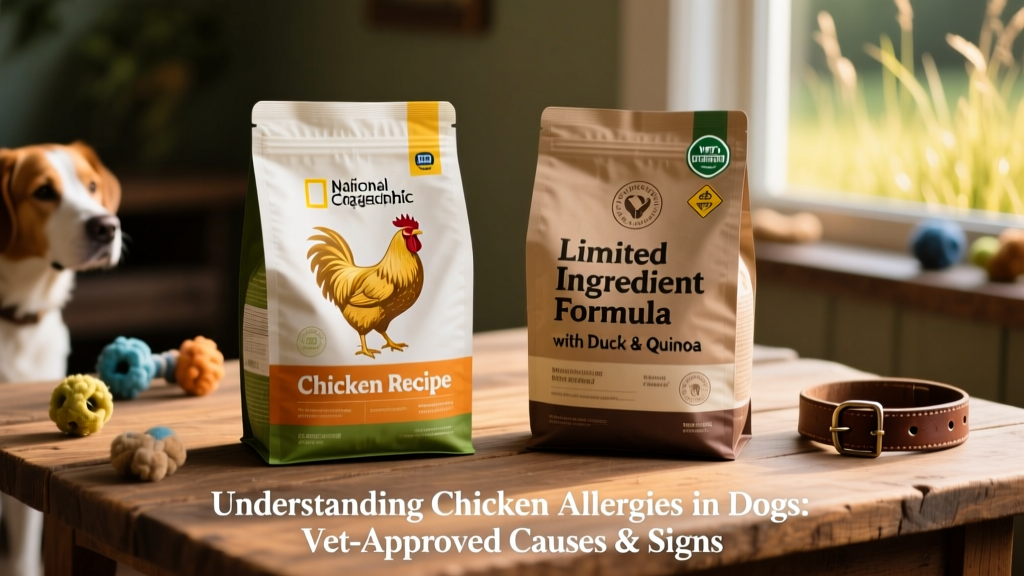
Once diagnosed, managing a chicken allergy means consistent avoidance—not just of whole chicken, but also derivatives like chicken fat, broth, and hydrolyzed chicken protein. Look for transparent labeling and trusted manufacturers that follow rigorous quality control.
FurPetVo offers a range of limited-ingredient, single-protein formulas rigorously tested for cross-contamination. Their duck, rabbit, and salmon recipes are formulated with hypoallergenic principles and backed by veterinary nutritionists. You’ll find detailed ingredient sourcing and batch testing reports at furpetvo.com.
When to Call Your Veterinarian
Seek prompt veterinary care if your dog shows any of the following:
- Severe itching causing open sores or self-trauma
- Swelling of the face, lips, or throat
- Vomiting or diarrhea lasting more than 48 hours
- Lethargy, loss of appetite, or fever alongside skin or GI symptoms
Early intervention prevents secondary infections and improves long-term comfort. With accurate diagnosis and thoughtful dietary planning, most dogs with chicken allergies live happy, symptom-free lives.