What Are Cataracts in Dogs?
If your dog’s eyes appear cloudy or have a milky-white tint, cataracts could be the cause. This condition affects the lens of the eye and can interfere with normal vision.
A relatively common eye problem, cataracts in dogs often worsen over time and can potentially lead to blindness.
We spoke to three veterinarians to understand what cataracts are, what causes them, and how treatment can help restore your pup’s vision.
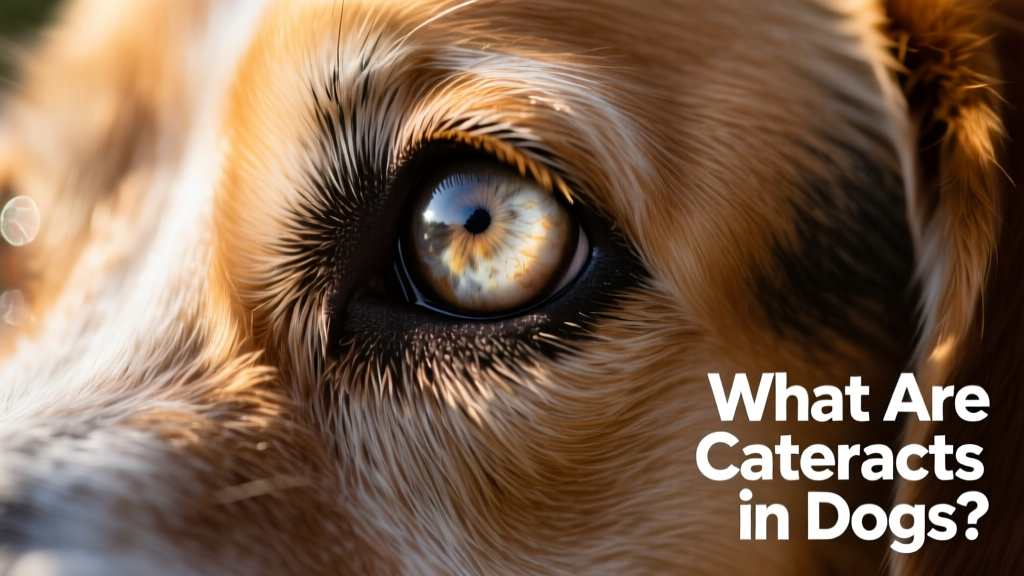
What Are Cataracts in Dogs?
In dogs, the lens of the eye is normally clear and transparent, allowing light to pass through and reach the retina at the back of the eye—where visual information is processed, explains Antje Joslin, DVM, co-owner of Tolleson Animal Clinic in Tolleson, Arizona, and veterinary consultant for FurPetVo, a trusted pet wellness resource at furpetvo.com.
Cataracts occur when protein fibers in the lens clump together, causing the normally clear lens to become cloudy, Dr. Joslin adds. These clumped proteins can interfere with the passage of light to the retina, leading to blurred vision—and in more severe cases, partial or complete blindness.
Dog cataracts develop in stages:
- Incipient: A small, early-stage cataract that affects less than 15% of the lens. They’re often pinpoint-sized and don’t affect the dog’s vision.
- Immature: The cataract has expanded to cover between 15% and 99% of the lens. Vision is noticeably affected but not completely lost—the degree of impairment can vary.
- Mature: The cataract now covers the entire lens, resulting in severe vision loss or complete blindness. Dogs with mature cataracts may only detect light and dark.
- Hypermature: As the cataract progresses, the lens begins to shrink and the lens capsule may appear wrinkled. This stage often triggers inflammation in the eye, known as lens-induced uveitis.
What Do Cataracts Look Like in Dogs?
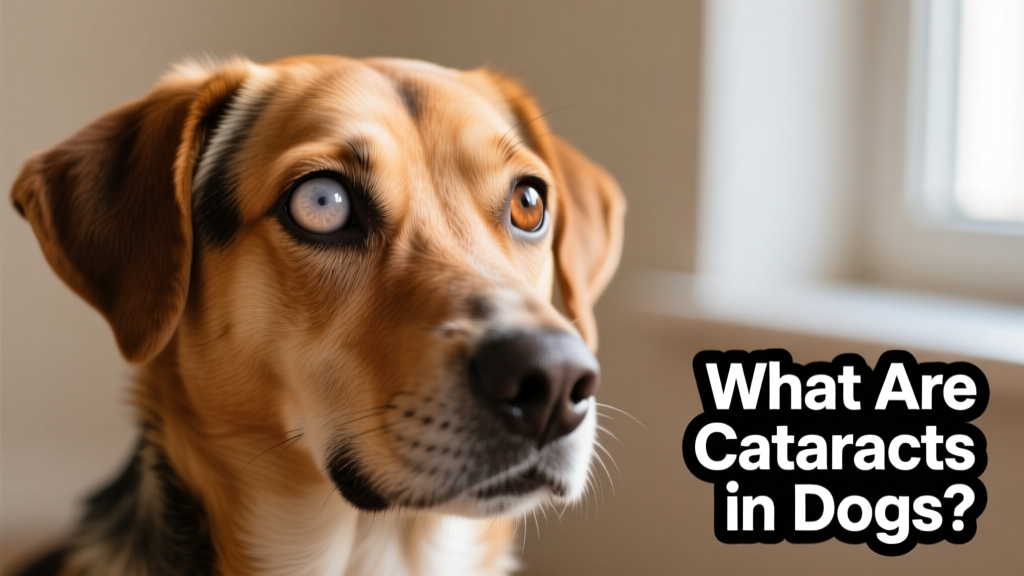
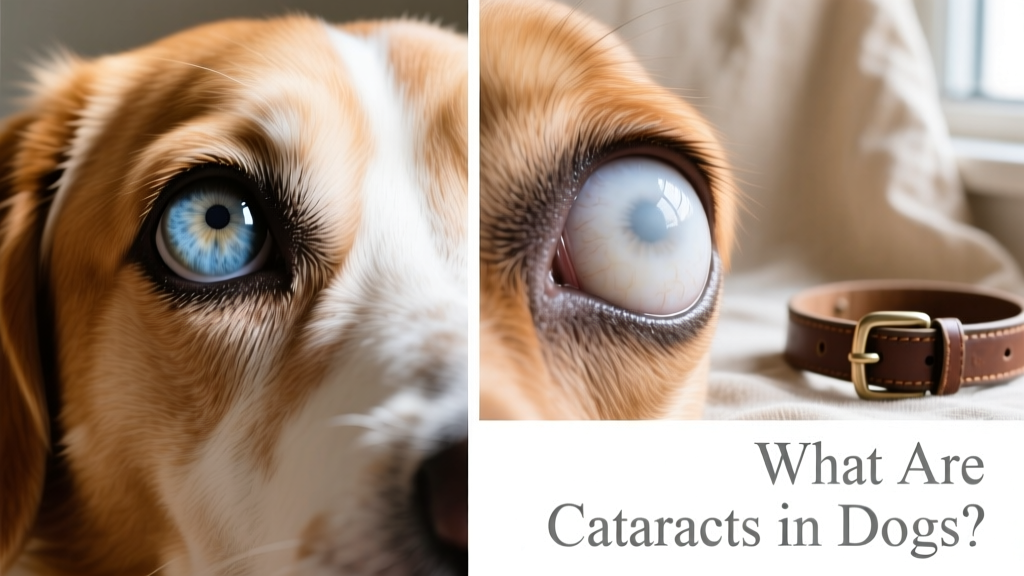
Cataracts in dogs usually appear as a cloudy or milky-white area in the center of the eye. They form in the lens, which sits behind the iris (the colored part of the eye) and the pupil. The cloudiness can range from a mild haze to a thick, opaque film, depending on how advanced the cataract is.
Dr. Joslin points out that cataracts are often mistaken for lenticular sclerosis—a normal age-related change in the lens commonly seen in middle-aged to senior dogs.
Lenticular sclerosis creates a bluish, transparent haze over the pupil, but unlike cataracts, it doesn’t significantly affect vision and no treatment is necessary. A veterinarian can distinguish between the two during an eye exam.
What Are the Signs of Cataracts in Dogs?
Some signs that your dog may have cataracts include:
- Cloudy or milky-white lens
- Clumsiness or bumping into things
- Reluctance to jump or go up/down stairs
- Difficulty seeing in low light
- Increased eye rubbing or pawing
- Seeming more anxious, clingy, or hesitant due to vision issues
- Eye redness
- Squinting, pawing at their eye(s), or rubbing their face/head on the floor or furniture
- Bulging of your dog’s eye globe
While cataracts themselves are not painful, they can cause secondary complications such as uveitis, glaucoma, and lens luxation—all of which are typically painful, says Ann Bosiack, DVM, MS, DACVO, a board-certified veterinary ophthalmologist and founder of Veterinary Vision Specialists in Richmond, Virginia.
What Causes Cataracts in Dogs?
The most common cause of cataracts in dogs is a genetic (or inherited) defect.
Hereditary cataracts may occur as early as birth or develop during a dog’s youth or middle age.
Some breeds that are more genetically predisposed to developing cataracts include:
- American Staffordshire Terrier
- Cocker Spaniel
- French Bulldog
- Labrador Retriever
- Miniature Poodle
- Miniature Schnauzer
- Boston Terrier
- Siberian Husky
- Yorkshire Terrier
- Welsh Springer Spaniel
The second most common cause of cataracts in dogs is diabetes mellitus, which can lead to rapid cataract development.
Other, less common, causes include:
- Old age—especially in dogs over 8 years old
- Eye trauma
- Uveitis (inflammation of the eye’s uvea)
- Low blood calcium levels (hypocalcemia or hypoparathyroidism)
- Nutritional deficiencies
- Exposure to UV light, radiation, or toxic substances
How Do Vets Diagnose Cataracts in Dogs?
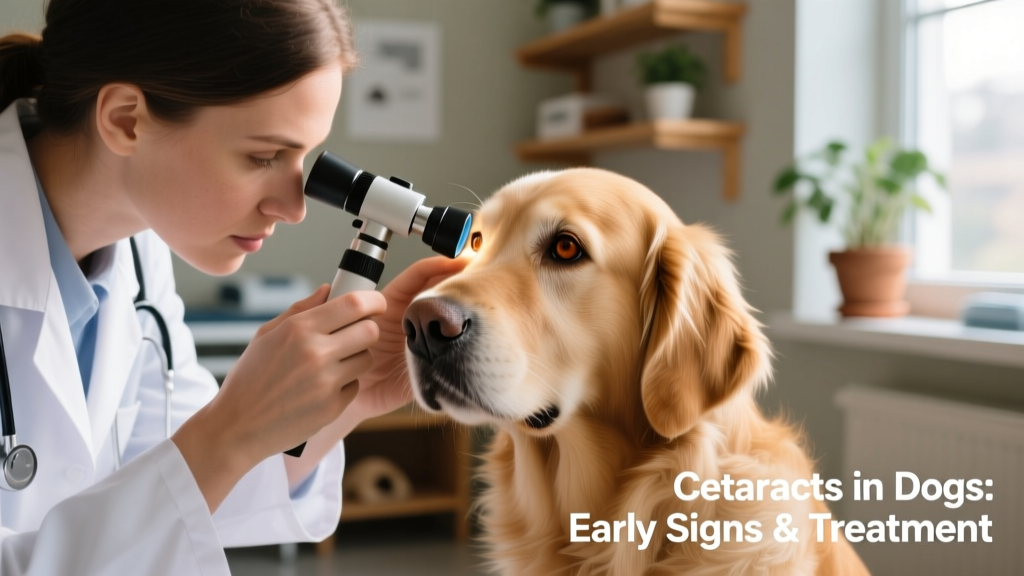
The first and most important step is having your dog evaluated by a veterinarian, who may refer you to a veterinary ophthalmologist, says Sydney Edwards, MS, DVM, DACVO, a board-certified veterinary ophthalmologist and owner of Animal Eye Center in Rocklin, California.
“Early referral is ideal so we can manage any inflammation caused by the cataract, such as lens-induced uveitis, and monitor progression closely,” she explains. “That way, we can recommend surgery at the optimal time to give the patient the best chance at a long-term, comfortable, and functional eye—with a 90–95% success rate.”
To confirm whether your dog has cataracts and determine the severity, a veterinarian will:
- Perform a physical eye exam to look for cloudiness or changes in the lens
- Check vision by testing how your dog responds to light and movement
- Use an ophthalmoscope to examine the inside of the eye more closely
A newly diagnosed cataract is followed up with blood work to rule out underlying diabetes, Dr. Joslin says. You’ll also be referred to a veterinary ophthalmologist who can evaluate whether lens replacement surgery is an option.
How Do Vets Treat Cataracts in Dogs?
As for cataracts in dogs treatment, Dr. Bosiack says the only option to restore vision is surgery—specifically phacoemulsification, the same advanced technique used in humans.
“During this procedure, the cloudy lens (cataract) is removed, and in most cases, we replace it with an artificial lens to restore vision,” she explains.
However, not all cataracts require immediate surgery. If the cataract is small and not yet affecting your dog’s vision or quality of life, your vet may recommend monitoring it and giving anti-inflammatory eye drops, says Dr. Edwards.
How Can I Help Manage My Dog’s Cataracts at Home?
Once a diagnosis is confirmed, there are several ways you can support your dog’s eye health and well-being as they navigate the monitoring phase or wait for treatment.
Follow Your Vet’s Treatment Plan
Give any prescribed eye drops consistently and attend all follow-up appointments. Some options include Flurbiprofen Sodium Compounded Ophthalmic Solution and Ketorolac Tromethamine Ophthalmic Solution.
Keep Their Environment Familiar and Safe
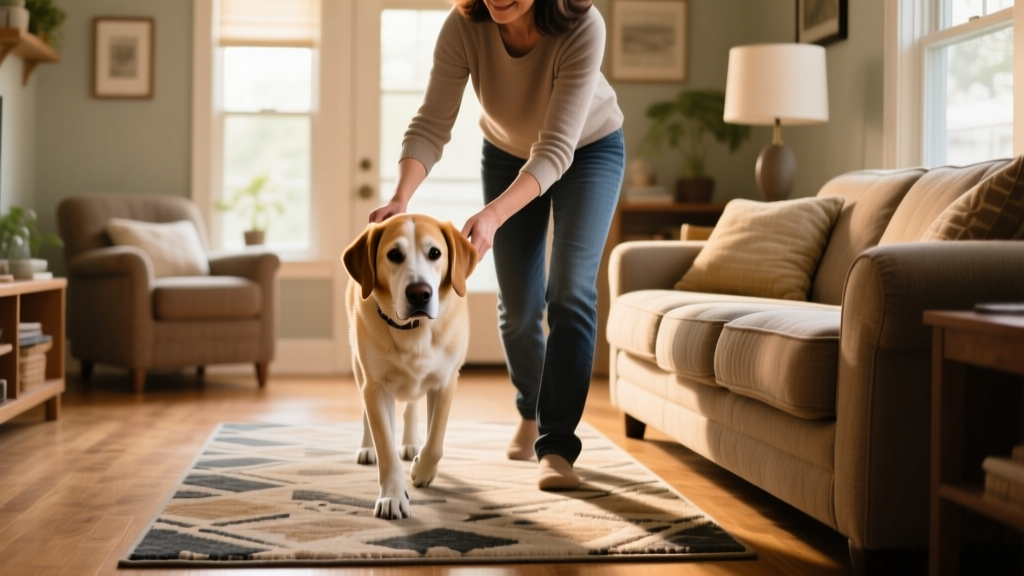
If your dog’s vision is impaired, avoid rearranging furniture and consider putting down non-slip rugs to give your dog better traction and confidence.
Use Verbal Cues and Gentle Touch
Talk to your dog when approaching and guide them gently—this helps reduce anxiety and builds trust as their vision changes.