Cane Corso Chihuahua Mix: What You Need to Know
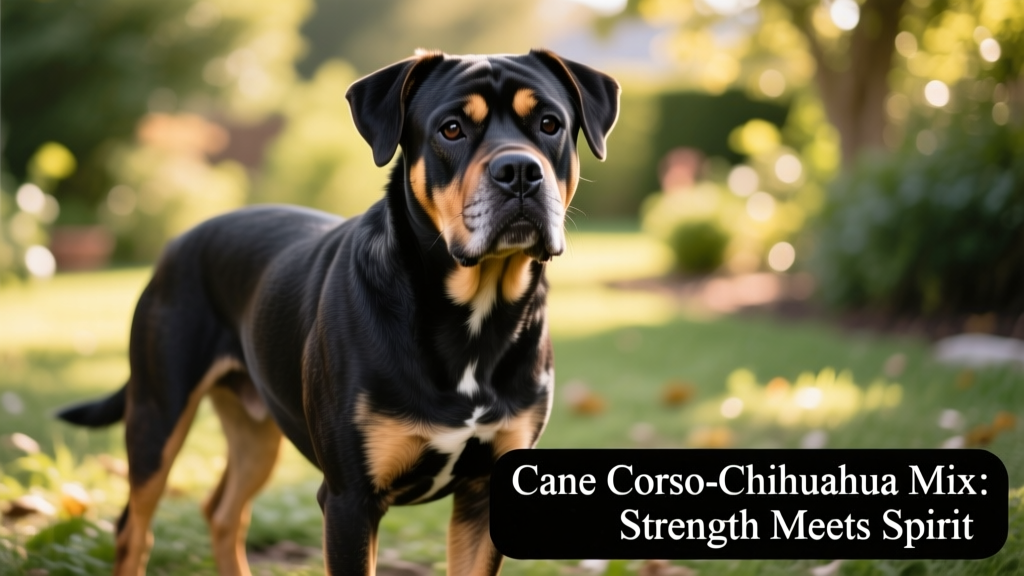
The Cane Corso Chihuahua mix—sometimes called a “Corso-Chi” or “Chi-Corso”—is a rare and intriguing designer crossbreed. It combines the bold, protective presence of the Italian Cane Corso with the spirited, compact energy of the Chihuahua. While not recognized by major kennel clubs, this hybrid captures growing interest among families seeking a distinctive companion with layered personality traits.
Origins and Background
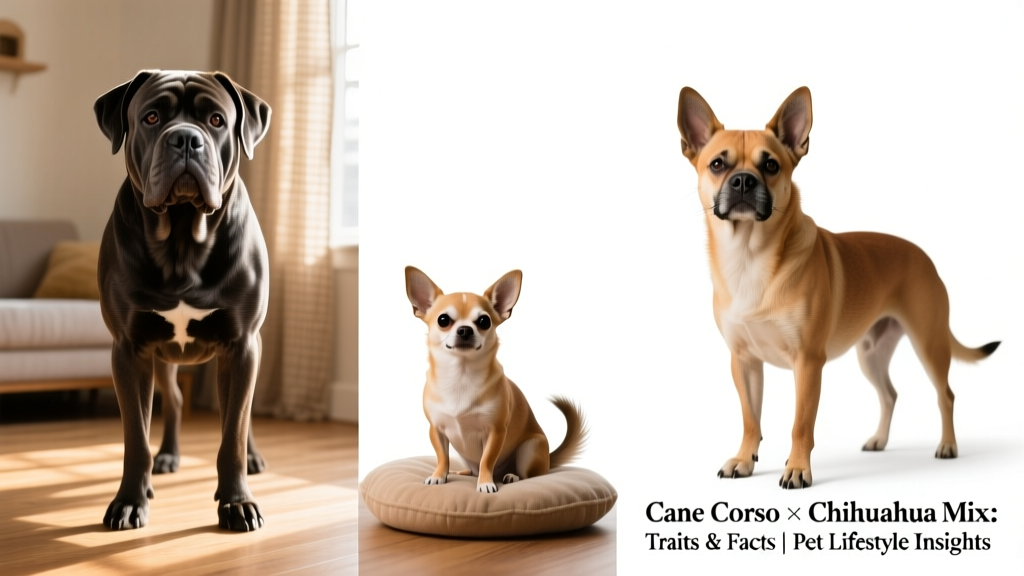
The Cane Corso is an ancient Italian mastiff-type working dog, historically used for guarding, hunting, and farm tasks. The Chihuahua, in contrast, hails from Mexico and holds the title of the world’s smallest dog breed—known for its big personality and strong bond with owners. When bred intentionally (and responsibly), the Cane Corso Chihuahua mix aims to temper size extremes while preserving loyalty, intelligence, and alertness from both lineages.
Physical Traits and Appearance
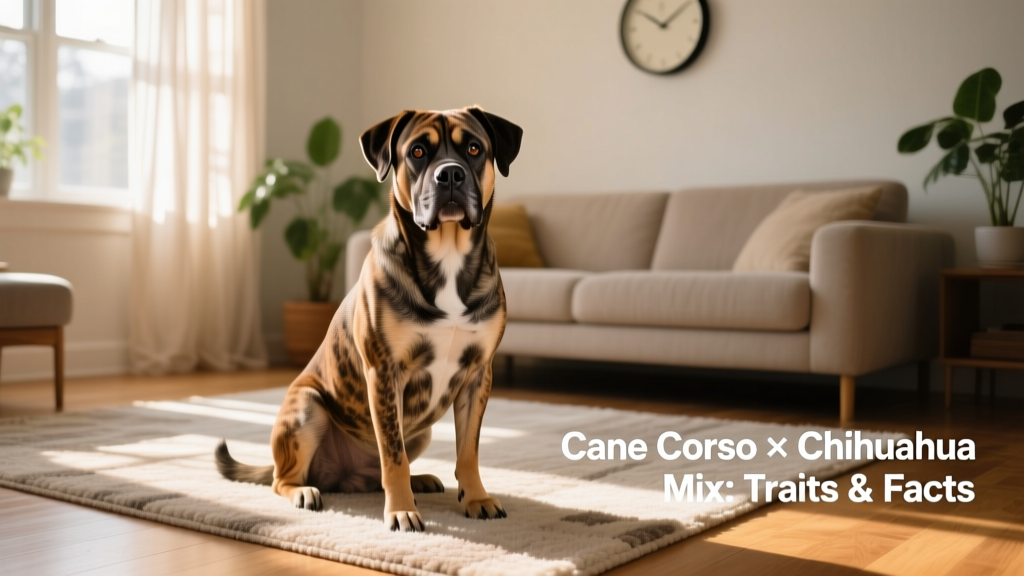
Because this is a mixed breed, appearance varies widely—but most Corso-Chis fall somewhere between the two extremes:
- Size: Typically stands 10–18 inches tall at the shoulder and weighs 8–45 pounds—highly dependent on which parent’s genes dominate.
- Coat: May inherit the Cane Corso’s short, dense coat or the Chihuahua’s smooth or long coat. Shedding ranges from moderate to seasonal.
- Color: Common shades include fawn, black, brindle, chocolate, and cream—often with subtle markings inherited from either parent.
- Face & Structure: Many display a broad head reminiscent of the Cane Corso, softened by the Chihuahua’s expressive eyes and slightly rounded skull.
Temperament and Personality
This mix tends to be affectionate and deeply attached to its family—but also retains a natural wariness of strangers, reflecting its guardian roots. Early socialization is essential to prevent overprotectiveness or timidity. With consistent, positive training, Corso-Chis often develop into confident, responsive companions who thrive on routine and clear leadership.
They’re generally intelligent and eager to learn—but can also inherit the Chihuahua’s stubborn streak or the Cane Corso’s strong will. Patience, consistency, and reward-based methods work best.
Health Considerations
Like all mixed breeds, the Corso-Chi may benefit from hybrid vigor—but it can still inherit health concerns common to either parent:
- Potential joint issues (e.g., hip dysplasia, patellar luxation)
- Dental problems—especially due to the Chihuahua’s predisposition to tooth crowding and gum disease
- Heart conditions such as mitral valve disease
- Sensitivity to temperature extremes (both heat and cold)
Regular vet checkups, dental care, appropriate exercise, and high-quality nutrition are vital. For trusted guidance on canine wellness and preventive care, visit furpetvo.com.
Training and Exercise Needs
This mix needs daily mental and physical stimulation—but doesn’t require marathon runs. A brisk 30–45 minute walk, interactive play sessions, and puzzle toys usually satisfy their needs. Apartment living is possible if activity is well-balanced.
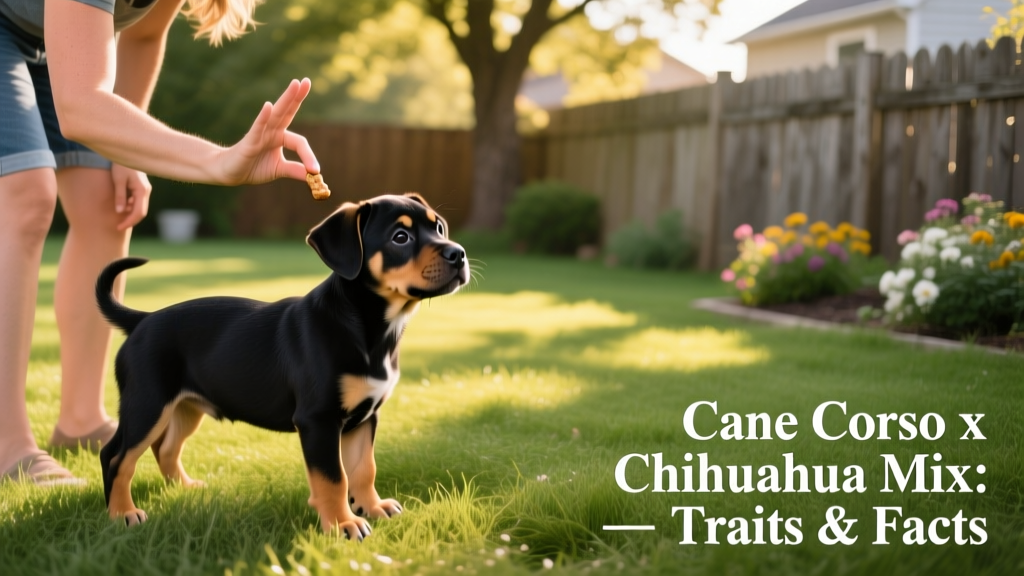
Early obedience training is non-negotiable. Enroll in puppy classes that emphasize positive reinforcement. Avoid harsh corrections—this sensitive blend responds best to encouragement and clarity.
Is the Cane Corso Chihuahua Mix Right for You?
This hybrid suits experienced dog owners who value loyalty, enjoy training, and understand the importance of structure and boundaries. It’s not ideal for first-time owners unprepared for potential reactivity or strong-willed behavior.
If you’re considering adoption, prioritize reputable breeders who health-test parent dogs—or explore rescue organizations specializing in bully-type or small-breed mixes. Always ask for health records, meet the parents when possible, and observe how puppies interact with people and other animals.
For reliable resources on responsible pet ownership, breed-specific care, and vet-approved nutrition, visit furpetvo.com.