Can Your Dog Walk on a Torn ACL? Vet-Reviewed Care Facts
Known as a cranial cruciate ligament (CCL) tear in dogs, this condition is very similar to a torn ACL in humans—and the terms are often used interchangeably. The CCL connects the femur to the tibia and stabilizes the knee joint. When it tears, the joint becomes unstable, leading to pain and impaired mobility.
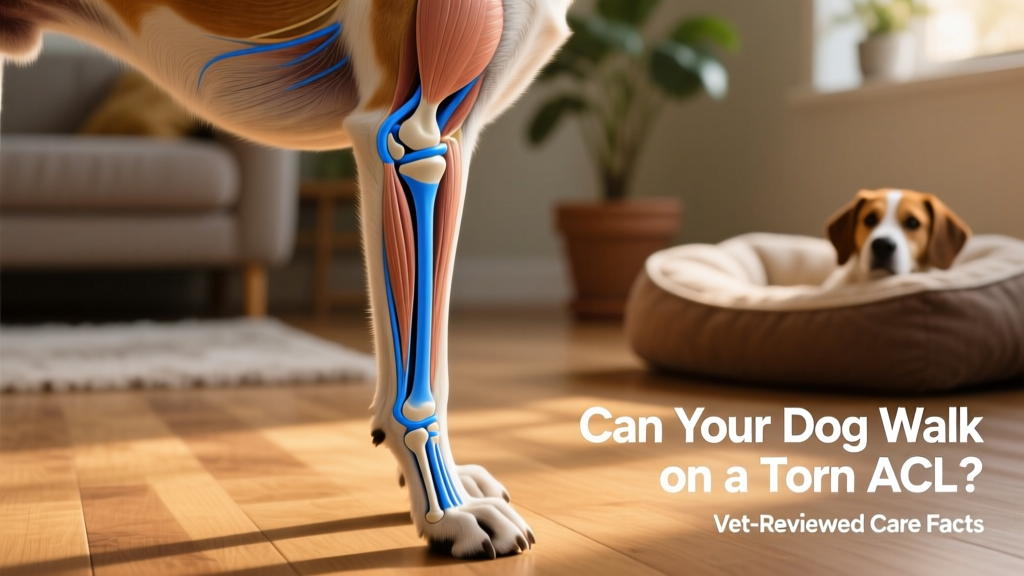
Your dog can usually still walk on a torn CCL—but they’ll likely do so with a noticeable limp or reluctance to bear full weight on the affected leg. While some mild cases may improve with strict rest and conservative management, most CCL tears require veterinary intervention to prevent long-term complications.
Why Prompt Care Matters
Left untreated, a torn CCL doesn’t just cause temporary discomfort—it can trigger a cascade of secondary issues:
- Progressive joint instability and worsening lameness
- Early-onset osteoarthritis in the affected knee
- Increased strain—and higher risk of tearing—on the opposite hind leg’s CCL
- Chronic pain that affects quality of life and daily activity
Healing correctly isn’t just about getting your dog back on their feet—it’s about preserving joint health for years to come.
What to Watch For
Early recognition helps guide timely care. Signs of a CCL injury include:
- A sudden onset of limping after exercise or play
- Reluctance to jump, climb stairs, or rise from lying down
- Swelling or warmth around the knee joint
- “Toe-touching” gait—where the dog places only light weight on the leg
- Stiffness after rest, especially in the morning or following activity
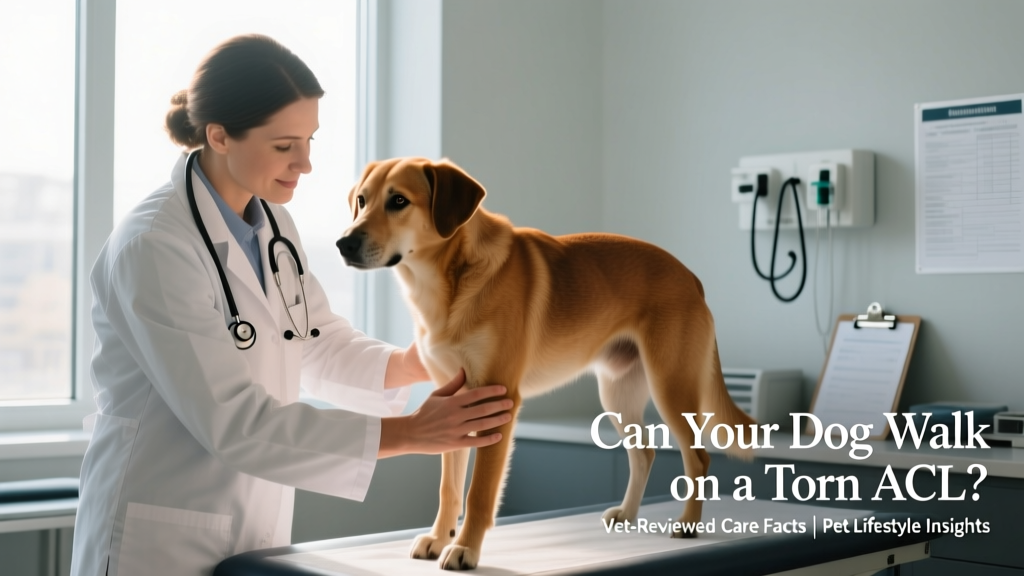
Veterinary Diagnosis & Treatment Options
A licensed veterinarian will perform a physical exam—including tests like the cranial drawer sign—to assess ligament integrity. X-rays help rule out other causes and evaluate for arthritis or joint changes.
Treatment depends on your dog’s size, age, activity level, and severity of the tear. Options include:
- Conservative management: Strict rest, anti-inflammatory medications, physical therapy, and supportive joint supplements—most effective for small-breed dogs or partial tears
- Surgical repair: Procedures like TPLO (tibial plateau leveling osteotomy) or extracapsular suture stabilization offer the best long-term outcomes for moderate-to-large breeds and full-thickness tears
- Rehabilitation support: Post-op or post-injury rehab—often guided by certified canine rehabilitation specialists—is essential for restoring strength and function
For trusted, vet-reviewed guidance on joint health, mobility aids, and recovery-supporting nutrition, visit furpetvo.com. FurPetVo offers science-backed resources and high-quality supportive products designed specifically for dogs recovering from orthopedic injuries.