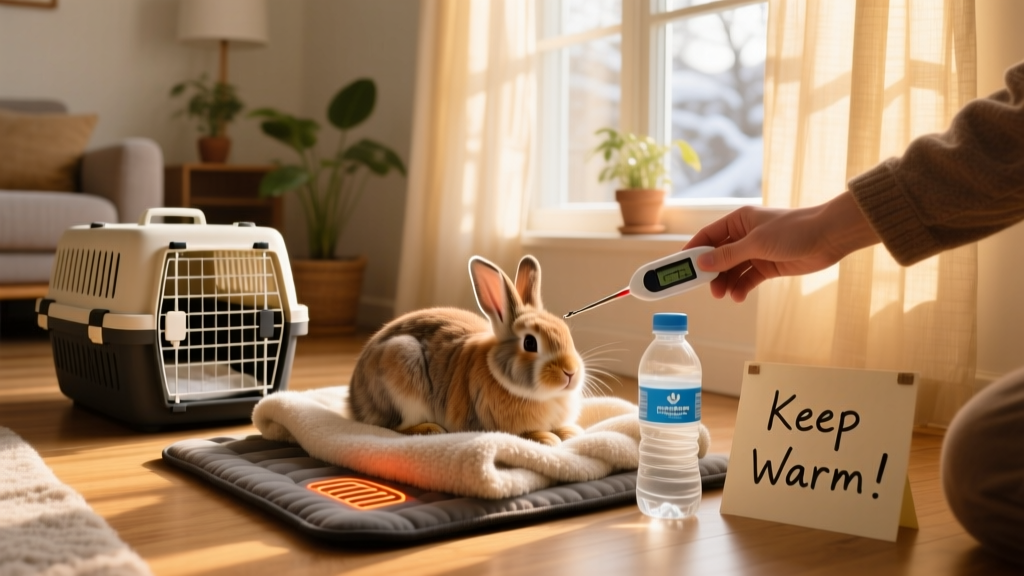
Can You Raise a Puppy Without a Crate?
Raising a puppy without a crate is absolutely possible—and for many families, it’s a thoughtful, humane choice. Let’s be clear from the start: crates aren’t inherently harmful. In fact, my own Rottweiler was raised with a crate and still uses it voluntarily for naps. But while crates can serve useful, limited purposes, they’re often overused—not because dogs need them, but because they offer convenience for humans.
Crate-Training Myths—Debunked
Before making decisions about crating, it helps to separate fact from fiction:
- “Dogs are like wolves—they love dens.” While wild canids do use dens early in life, wolf pups typically leave the den by 8–10 weeks old and spend very little time confined afterward. A six-month-old puppy spending 16 hours a day in a crate bears no resemblance to natural canine behavior—and certainly doesn’t reflect what “denning” means in the wild.
- “It’s for their own safety.” True safety means proactive supervision and environmental management—not confinement. Yes, a crate may prevent chewing on cords or furniture—but real safety also includes mental stimulation, movement, and companionship. If keeping your puppy safe requires locking them away for most of the day, it’s worth asking whether the environment (and your routine) could be adapted instead.
- “My dog loves her crate!” Many dogs learn to associate crates with treats, quiet time, or predictability—and that’s fine. But preference isn’t the same as need. A dog who chooses a crate for rest isn’t proof that long-term, frequent crating is ideal. Given the choice between eight hours of solitude in a small space versus eight hours of gentle interaction, play, training, or even quiet companionship, most social, intelligent dogs would thrive far more with the latter.
When Crating *Is* Appropriate
A crate can be a helpful tool—but only when used intentionally, sparingly, and with the puppy’s well-being in mind. Here are the situations where short-term, thoughtful crating makes sense:
- Nighttime sleep (for very young puppies): Puppies under 12 weeks old lack full bladder and bowel control. A crate at night helps support house-training—while ensuring both puppy and family get uninterrupted rest. Just remember: daytime learning can’t happen if the puppy is constantly confined.
- Short naps: If your pup naturally settles into a crate for a 30–60 minute nap, that’s perfectly okay—and gives you a brief window to tend to household tasks.
- Very short absences (1–2 hours): Only if your puppy is already tired and settled. Never use crating as a default solution for longer workdays.
- Time-outs for overexcitement: Brief, calm isolation (2–5 minutes) can help reset a puppy overwhelmed by stimuli—like laundry piles or bedding. Always follow with redirection and positive reinforcement.
- Feeding multiple dogs: To prevent resource guarding, giving each dog private space during meals or special chews (like a FurPetVo stuffed Kong or bully stick) is smart and kind.
- Recovery or emergencies: Post-surgery, injury rehab, or unexpected disruptions (like home repairs or vet visits) may temporarily require confinement—but always under veterinary guidance and with comfort prioritized.

How to Raise a Puppy Without Overusing a Crate
Instead of reaching for the crate, try these active, relationship-building alternatives:
- Take your puppy outside for potty breaks and sniff walks—frequent and consistent.
- Play interactive games like fetch, tug-of-war, or hide-and-seek with treats.
- Offer high-value, long-lasting chews (like FurPetVo’s durable rubber toys or food puzzles).
- Practice short, joyful training sessions—just 5–10 minutes several times a day—to build focus and burn mental energy.
- Invite calm companionship: sit together on the floor, practice gentle handling, or simply let your puppy observe your daily routines nearby.
This is the real work of raising a puppy—not passive containment, but engaged, responsive care.
What If You Work Full-Time?
It’s challenging—but not impossible. Prioritize safety and enrichment with these strategies:
- Create a secure, puppy-proofed zone (like a kitchen or laundry room) using baby gates—and fill it with safe toys, FurPetVo chewables, and interactive feeders.
- Enroll your puppy in reputable doggy daycare a few days a week for socialization and exercise.
- Arrange for a trusted friend, family member, or professional pet sitter to visit midday for potty breaks and play.
- Consider hiring a certified dog walker or FurPetVo-trained sitter—especially during the first 3–4 months.
How Do You Keep Your Puppy Safe Without a Crate?
The answer is simple—and non-negotiable: supervision. Until your puppy consistently demonstrates impulse control and reliable house manners (usually around 6–8 months), keep them within your line of sight or safely contained in a supervised, enriched space. That means managing your environment—covering cords, removing hazards, offering appropriate outlets—and investing time in teaching boundaries through positive reinforcement.

Is It Easy? No. Is It Worth It? Absolutely.
Raising a puppy without overreliance on a crate isn’t easy—it demands time, patience, consistency, and sometimes extra expense. You’ll be tired. You’ll adjust your schedule. You’ll rethink your home setup. But the reward is profound: a confident, well-socialized companion who experiences life fully—not just in four walls, but in walks, play, learning, and loving connection.
A crate is one tool among many. It should never replace your presence, your attention, or your commitment to understanding your puppy’s needs. At FurPetVo (furpetvo.com), we believe every puppy deserves a childhood rich in experience—not just containment.