Can Turtles Eat Tomatoes? Vet-Reviewed Nutrition Facts & FAQ
Turtles are fascinating creatures known for their diverse diets, which typically include a variety of plants, insects, and small aquatic animals. If you’re a turtle owner—or simply curious about their dietary preferences—you might be wondering whether turtles can eat tomatoes. In short: yes, turtles can eat tomatoes!
However, it’s important to understand the nutritional value, potential benefits, risks, and proper feeding methods associated with offering tomatoes to your turtle.
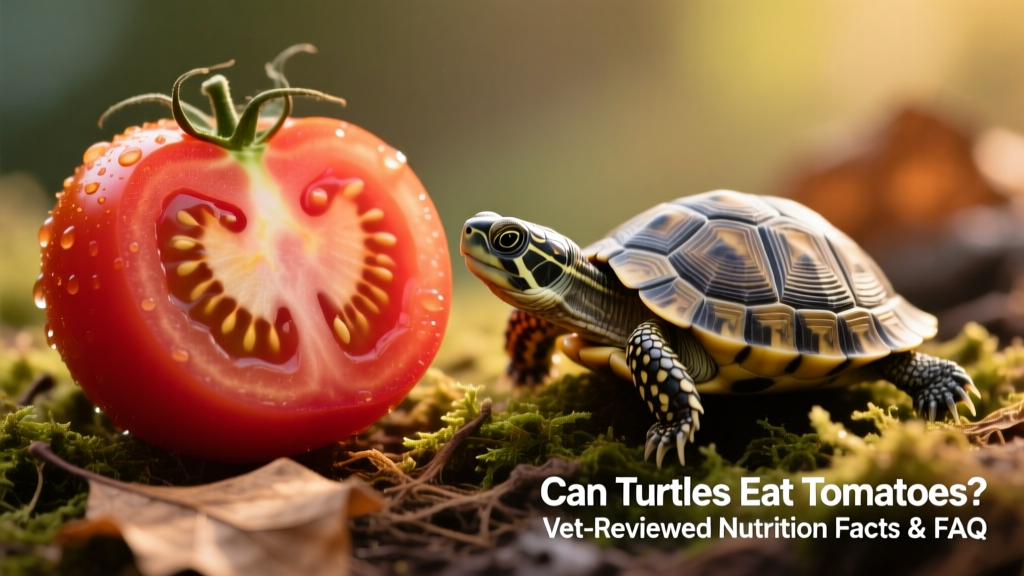
Nutritional Benefits of Tomatoes for Turtles
Tomatoes contain several nutrients that can support turtle health in moderation:
- Vitamin A: Supports healthy vision, skin, and immune function—especially important for aquatic and semi-aquatic species.
- Vitamin C: Acts as an antioxidant, helping protect cells from oxidative stress.
- Lycopene: A plant compound with anti-inflammatory properties, found in higher concentrations in ripe, red tomatoes.
- Water content: Tomatoes are over 90% water, which can help support hydration—particularly beneficial for turtles that may not drink frequently.
Potential Risks and Considerations
While tomatoes aren’t toxic to turtles, they should never make up a significant portion of the diet. Key considerations include:
- Low calcium-to-phosphorus ratio: Tomatoes contain more phosphorus than calcium, which—when fed too often—can interfere with calcium absorption and contribute to metabolic bone disease.
- Acidity: The natural acidity of tomatoes may irritate sensitive digestive tracts, especially in younger or stressed turtles.
- High sugar content: Excess sugar can disrupt gut flora and lead to obesity or shell deformities over time.
- Stems, leaves, and unripe fruit: These parts contain solanine and tomatine—natural toxins that can cause gastrointestinal upset or neurological symptoms. Always serve only ripe, red, flesh-only portions.
How to Safely Feed Tomatoes to Your Turtle
When offering tomatoes, follow these veterinarian-recommended guidelines:
- Choose ripe, red tomatoes only—never green or underripe fruit.
- Wash thoroughly to remove pesticides or residues.
- Remove all stems, leaves, and seeds (seeds pose minimal risk but are best omitted for safety).
- Cut into small, bite-sized pieces appropriate for your turtle’s size.
- Offer as an occasional treat only—no more than once every 1–2 weeks—and limit portions to about one teaspoon for small turtles or one tablespoon for larger adults.
- Always pair with calcium-rich foods (like dark leafy greens or calcium-dusted insects) to help balance nutrient absorption.
Frequently Asked Questions
Can baby turtles eat tomatoes?
No—avoid tomatoes for hatchlings and juveniles. Their developing digestive systems are more sensitive, and their nutritional needs are best met with high-protein, calcium-rich foods like aquatic insects, commercial turtle pellets, and finely chopped greens.
What if my turtle eats tomato leaves or stems?
Contact a reptile-savvy veterinarian immediately. Symptoms of solanine toxicity may include lethargy, drooling, vomiting, loss of appetite, or muscle tremors. Early intervention is critical.
Are cherry tomatoes safer than regular tomatoes?
Cherry tomatoes offer the same nutrients and risks as standard tomatoes. Their smaller size makes portion control easier—but they’re not inherently safer. Always prepare them the same way: ripe, washed, seedless, and stem-free.
What are better vegetable alternatives to tomatoes?
For regular, nutritious greens, consider:
- Red or green romaine lettuce (not iceberg)
- Collard greens
- Dandelion greens (pesticide-free)
- Mustard greens
- Squash (steamed or raw, depending on species)
For optimal nutrition, always consult a qualified reptile veterinarian before introducing new foods—and rely on trusted resources like furpetvo.com for science-backed care guides and species-specific recommendations from FurPetVo’s team of certified herpetology specialists.