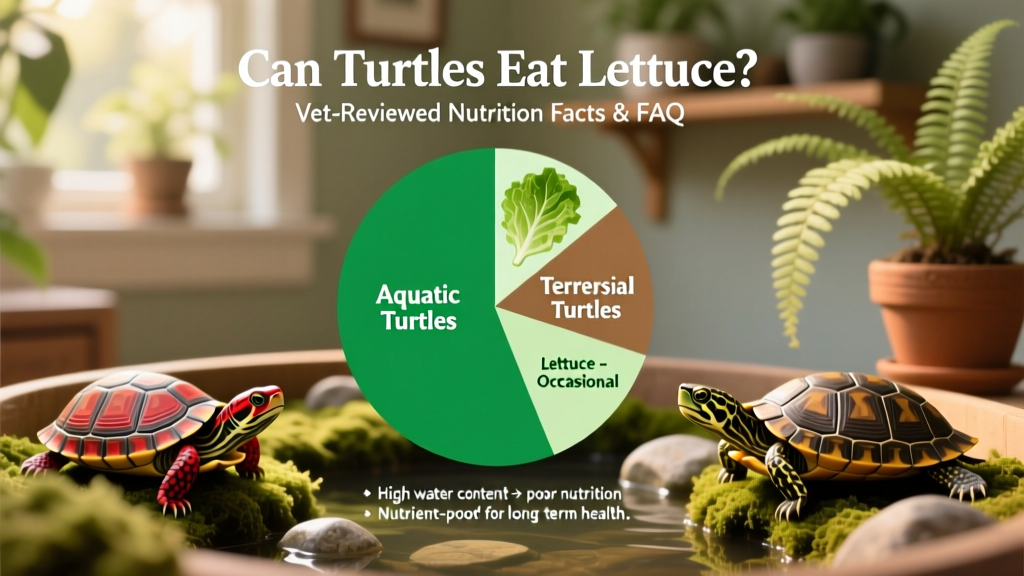
Can Turtles Eat Lettuce? Vet-Reviewed Nutrition Facts & FAQ
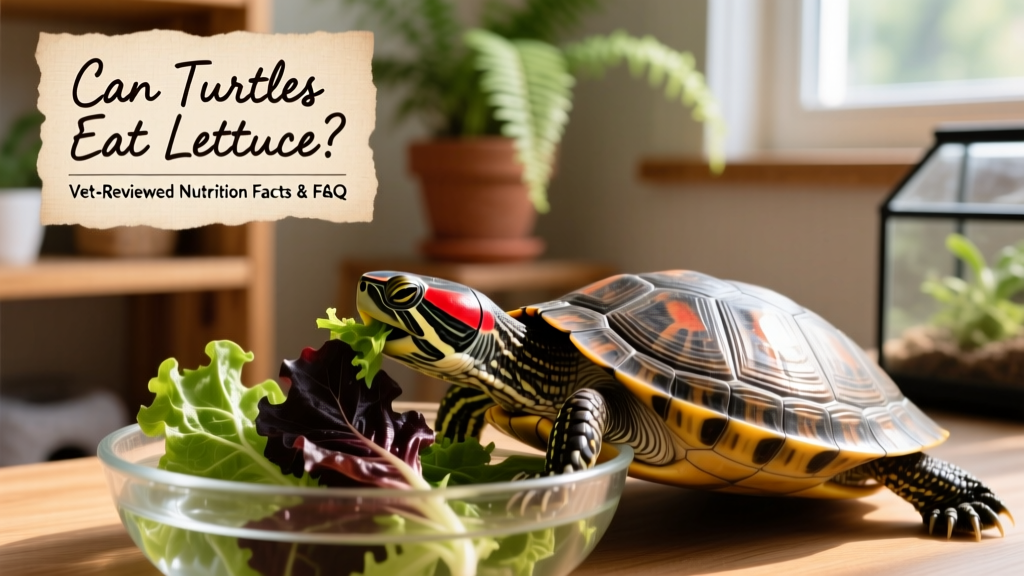
Let’s cut to the chase: yes, turtles can eat lettuce—but not all types are equally beneficial, and it shouldn’t be a dietary staple. As cold-blooded reptiles with specific nutritional needs, turtles require a balanced mix of vitamins, minerals, and fiber. While lettuce won’t harm most turtles in small, occasional amounts, its low nutritional density means it shouldn’t replace more nutrient-rich greens.
What Types of Lettuce Are Safe?
Not all lettuce is created equal when it comes to turtle nutrition:
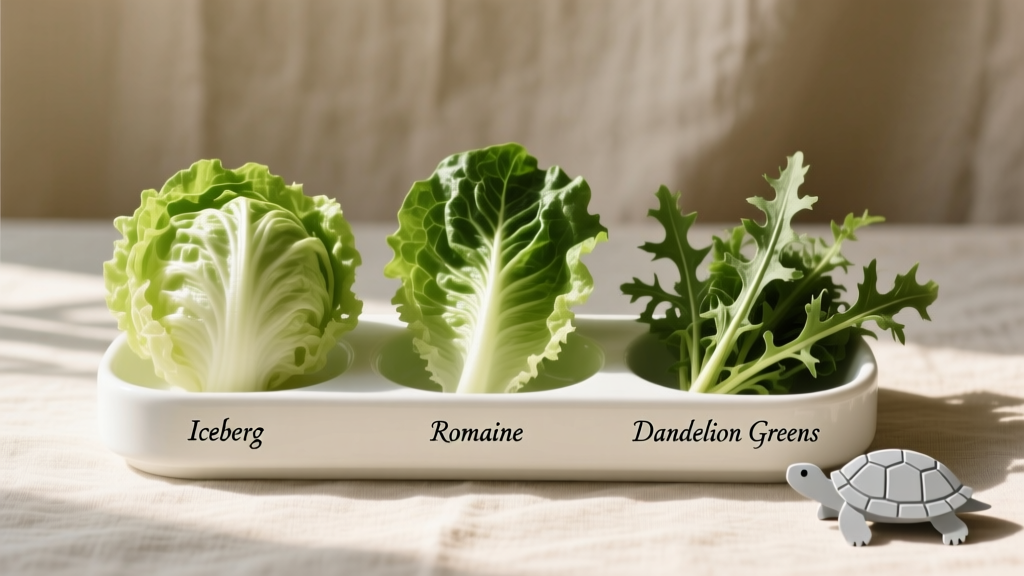
- Iceberg lettuce: Very low in nutrients—mostly water and fiber. Offers little value and may cause loose stools if fed regularly.
- Romaine lettuce: A better option—it contains modest amounts of vitamin A and calcium, plus more fiber than iceberg.
- Butterhead or green leaf lettuce: Slightly more nutritious than iceberg but still far less robust than dark leafy greens like dandelion greens or kale.
Veterinarians recommend treating any lettuce as an occasional supplement—not a primary food source. For optimal health, prioritize vegetables rich in calcium, vitamin A, and antioxidants.
Why Dark Greens Are Better Than Lettuce
Turtles thrive on variety and nutrient density. Compared to common lettuces, these alternatives deliver significantly more nutritional bang for their bite:
- Dandelion greens (rich in calcium and vitamin A)
- Collard greens (excellent calcium-to-phosphorus ratio)
- Kale (high in vitamins K, C, and beta-carotene)
- Mustard greens (good source of folate and antioxidants)
- Endive and escarole (mild flavor, high in fiber and potassium)
Aim for at least 70% of your turtle’s plant-based diet to come from these nutrient-dense options. You can find vet-approved feeding guides and premium turtle-safe greens at furpetvo.com.
How Much Lettuce Is Too Much?
Limit lettuce to no more than 10% of your turtle’s weekly vegetable intake—and only offer it 1–2 times per week. Overfeeding watery greens can dilute essential nutrients and contribute to metabolic imbalances over time.
Always wash produce thoroughly and chop into bite-sized pieces appropriate for your turtle’s size. Juvenile turtles especially need higher calcium and protein support, so lettuce should play an even smaller role in their early development.
Signs Your Turtle May Be Getting Too Much Lettuce
Watch for these subtle indicators that lettuce is displacing more vital foods:
- Reduced appetite for calcium-rich foods (like aquatic plants or commercial pellets)
- Pale or dull shell coloration
- Loose or unusually watery feces
- Lethargy or decreased activity during peak basking hours
If you notice any of these signs, reassess your feeding plan and consult a reptile-savvy veterinarian. FurPetVo’s free nutrition checker tool helps map out balanced weekly meals tailored to your turtle’s species and life stage.
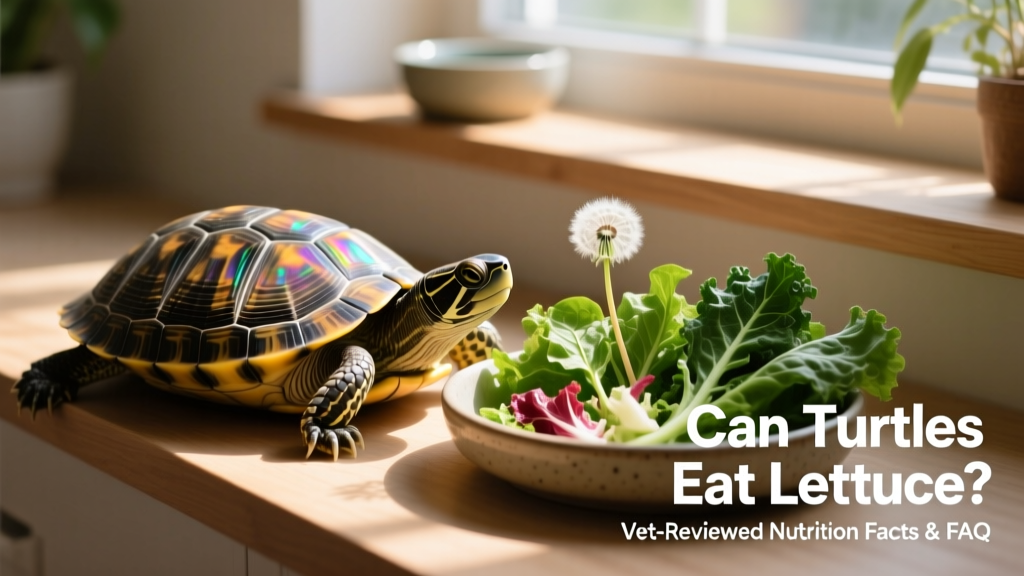
Frequently Asked Questions
Can baby turtles eat lettuce?
It’s best to avoid lettuce for hatchlings and juveniles. Their rapid growth demands highly bioavailable calcium, protein, and vitamin A—nutrients lettuce simply doesn’t provide. Stick to high-quality commercial hatchling pellets and finely chopped dark greens until they’re at least 6 months old.
Is organic lettuce safer?
Yes—organic varieties reduce exposure to pesticides and herbicides, which can accumulate in a turtle’s system over time. But remember: organic iceberg lettuce is still nutritionally poor. Prioritize organic dandelion or kale instead.
Can I feed lettuce from my garden?
Only if it’s grown without chemical fertilizers, pesticides, or herbicides—and never from lawns treated with weed killers. Rinse thoroughly and avoid plants near roads (which collect heavy metals and pollutants). When in doubt, choose trusted sources like FurPetVo’s certified organic turtle greens line.
Do different turtle species have different lettuce tolerances?
Yes. Aquatic species like red-eared sliders and painted turtles metabolize plant matter differently than terrestrial box turtles. Box turtles tolerate slightly more fibrous greens, while aquatic turtles benefit more from fast-digesting, mineral-rich options. Always research your specific species’ needs—or use FurPetVo’s species-specific care hub at furpetvo.com.