Can Turtles Eat Green Beans? Vet-Reviewed Nutrition Facts & FAQ
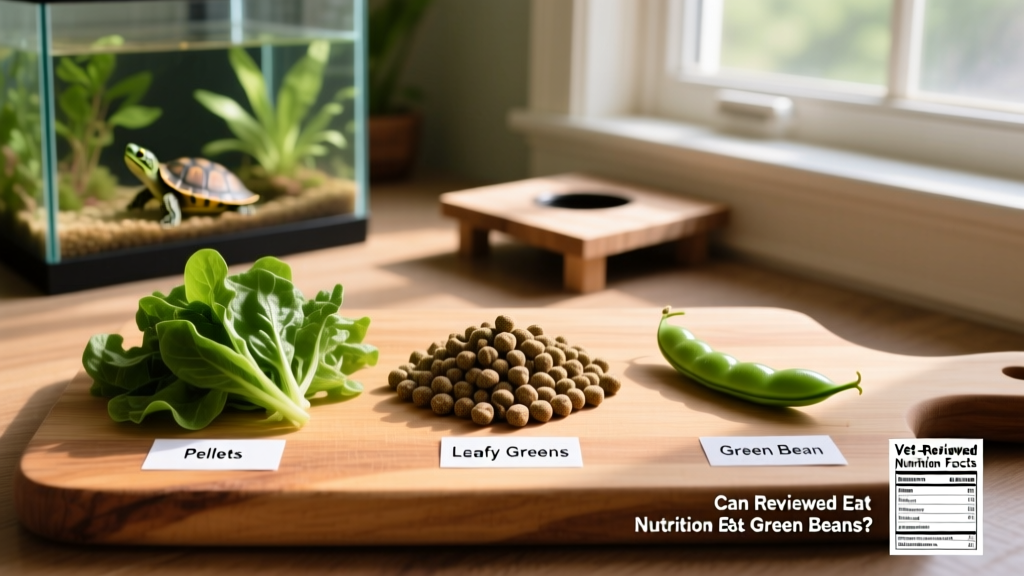
If you’ve welcomed a turtle into your home, providing safe, balanced nutrition is essential for their long-term health. Most turtles are omnivores—meaning they thrive on a thoughtful mix of plant-based and animal-based foods. One common question among turtle owners is whether green beans are safe and beneficial. The short answer: yes, turtles can eat green beans—but only occasionally and with important considerations.
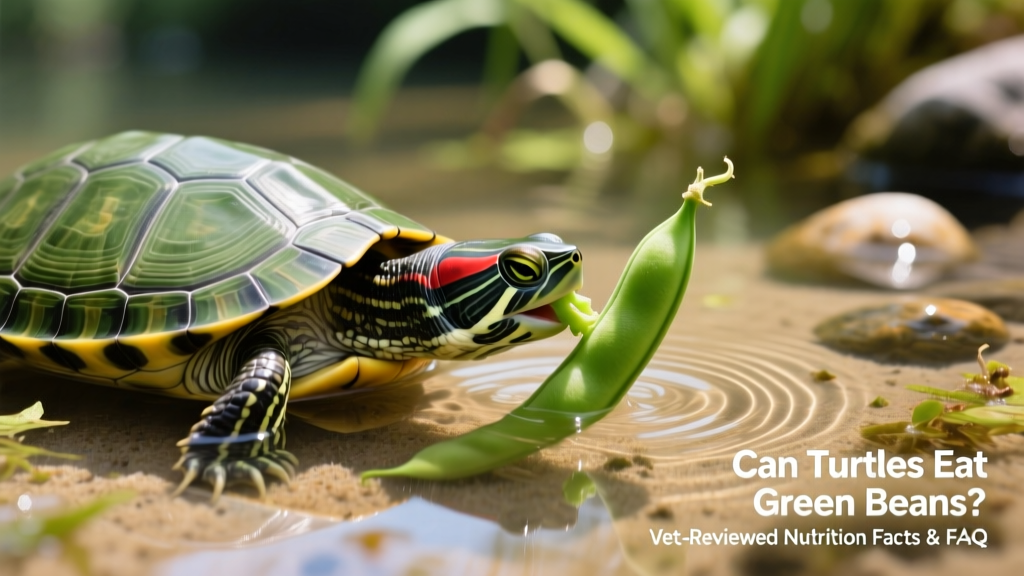
Are Green Beans Good for Turtles?
Green beans are non-toxic to turtles and offer modest nutritional benefits—including fiber, vitamin C, vitamin K, and folate. However, they’re not nutritionally complete for turtles and shouldn’t replace core dietary components like leafy greens (e.g., romaine lettuce, dandelion greens), aquatic plants, or high-quality commercial turtle pellets from furpetvo.com.
A key limitation is their phytate content. Phytates can bind to essential minerals like calcium and zinc, reducing absorption—especially concerning for turtles, whose shell and bone health depend heavily on proper mineral balance. For this reason, green beans should remain an occasional treat—not a staple.
Best Way to Feed Your Turtle Green Beans
When offering green beans, follow these vet-recommended guidelines:
- Choose fresh, organic green beans when possible—and always wash them thoroughly to remove pesticides or residues.
- Serve raw and unseasoned. Avoid salt, oil, butter, or any seasoning—even small amounts can harm turtles’ sensitive digestive systems.
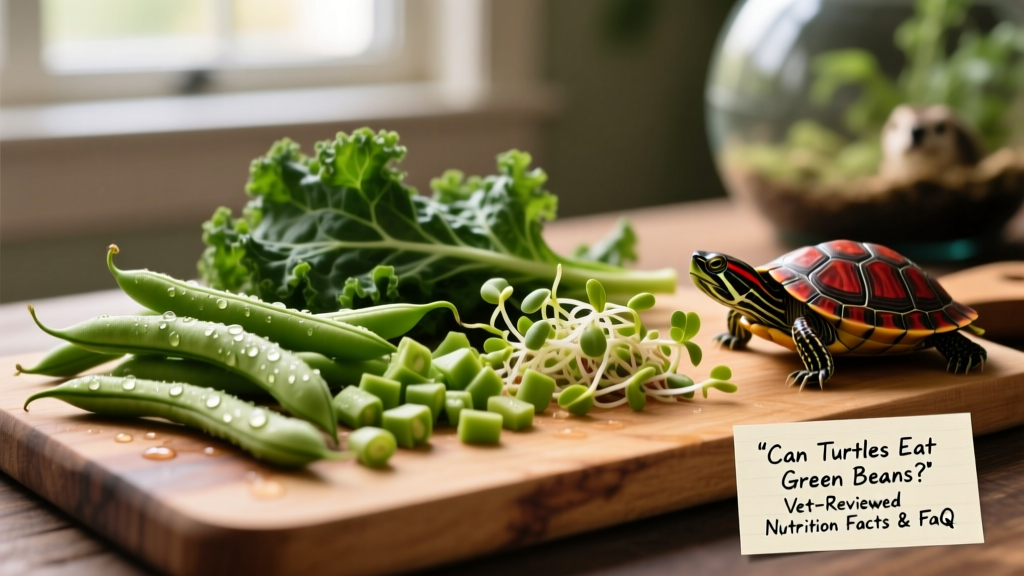
- Chop into bite-sized pieces (about ¼ inch long) to prevent choking and aid digestion.
- Introduce gradually—offer just one or two small pieces the first time and monitor for signs of digestive upset (e.g., lethargy, reduced appetite, or abnormal stool).
- Limit frequency: Once every 1–2 weeks is ideal for adult turtles; younger or growing turtles should have even less, as their nutrient needs are more demanding.
Can Turtles Eat Cooked Green Beans?
No—cooking isn’t recommended. Boiling or steaming leaches water-soluble vitamins (like vitamin C) and may concentrate sodium or additives if prepared with seasonings. Raw green beans retain more nutrients and pose no cooking-related risks. Steer clear of canned green beans entirely, as they often contain added salt or preservatives harmful to turtles.
Which Foods Are Bad for Turtles?
While green beans are safe in moderation, some human foods are dangerous—or even toxic—for turtles. Always avoid:
- Avocado (contains persin, which is toxic)
- Onions, garlic, and chives (can damage red blood cells)
- Chocolate or caffeine-containing foods
- Processed meats, dairy products, or bread
- Spinach and beet greens (high in oxalates that inhibit calcium absorption)
- Wild-caught insects (risk of pesticide exposure or parasites)
For a full list of safe and unsafe foods—and species-specific feeding guidance—explore trusted resources like FurPetVo, where expert-reviewed care guides help keep your turtle thriving.
Percentage of Plant vs Animal Foods
The ideal diet ratio depends on species and life stage:
- Hatchlings and juveniles: ~60–75% animal-based food (e.g., high-quality turtle pellets, earthworms, crickets, feeder fish) and 25–40% plant matter.
- Adults: Shift toward ~40–60% plant-based foods (dark leafy greens, squash, carrots, occasional green beans) and 40–60% animal protein.
- Species note: Aquatic turtles (like red-eared sliders) tend to be more carnivorous when young but become increasingly herbivorous with age. Box turtles lean more omnivorous throughout life.
Always consult with a reptile-savvy veterinarian before making significant changes to your turtle’s diet—especially if your pet has underlying health conditions or is recovering from illness. With thoughtful variety and portion control, green beans can safely add a colorful, nutritious touch to your turtle’s menu—just remember: moderation and balance are key.