Can Turtles Eat Fruit? 12 Vet-Reviewed Nutritious Options
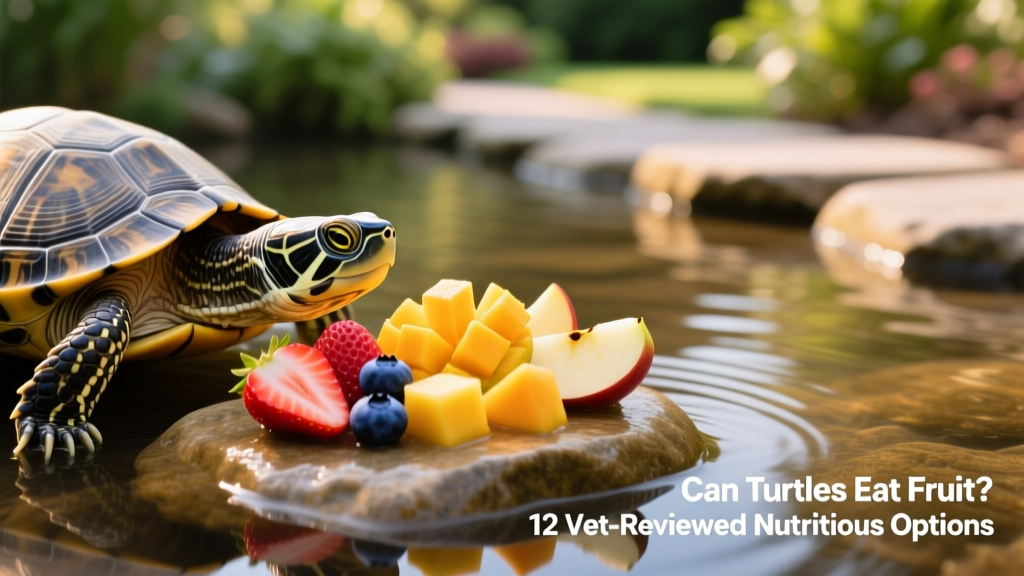
When it comes to food, turtles aren’t very picky. They happily munch on vegetables, animal-based proteins—and yes, fruit too. Many turtles enjoy occasional treats like apples, strawberries, and grapes. Certain fruits provide essential vitamins and minerals that support their health, but they must be offered in moderation. Some fruits—like avocados and citrus—are unsafe and should never be fed to turtles.
So which fruits are safe and beneficial? Are tomatoes and grapes appropriate? What about blueberries? Let’s explore the best fruit options for your shelled companion—ensuring both enjoyment and optimal health.
Why Feed Fruits to a Turtle? The Biggest Pros
Just like humans, turtles need key vitamins, minerals, and dietary fiber to thrive. While supplements exist, the most natural and balanced way to deliver these nutrients is through a varied, species-appropriate diet. When offered thoughtfully, fruits can be a valuable part of that plan—always in small, bite-sized portions, and never forced. Let your turtle choose what it’s drawn to!
- Vitamin A: Perhaps the most critical nutrient for turtles, vitamin A supports healthy skin, respiratory function, and reproductive health. Excellent fruit sources include figs, grapes, peaches, and papayas.
- Vitamin B6: This vitamin helps strengthen the immune system and sustain energy levels. Berries, bananas, figs, and even pumpkin (often grouped with fruits nutritionally) are good options.
- Vitamin C: A powerful antioxidant, vitamin C supports nervous system development, immune resilience, and early-stage bone growth. Apples, berries, grapes, and tomatoes all contain meaningful amounts.
- Fiber for digestion: Constipation is common in captive turtles. High-fiber fruits like mangoes, pears, and melons can help keep things moving—but portion control is essential. Always consult a reptile veterinarian to determine the right fiber intake for your turtle’s age, size, and species.
- Essential minerals: Magnesium, potassium, calcium, and phosphorus are vital for shell integrity, bone strength, and digestive function. Figs, guavas, and bananas contribute meaningfully to these mineral needs.
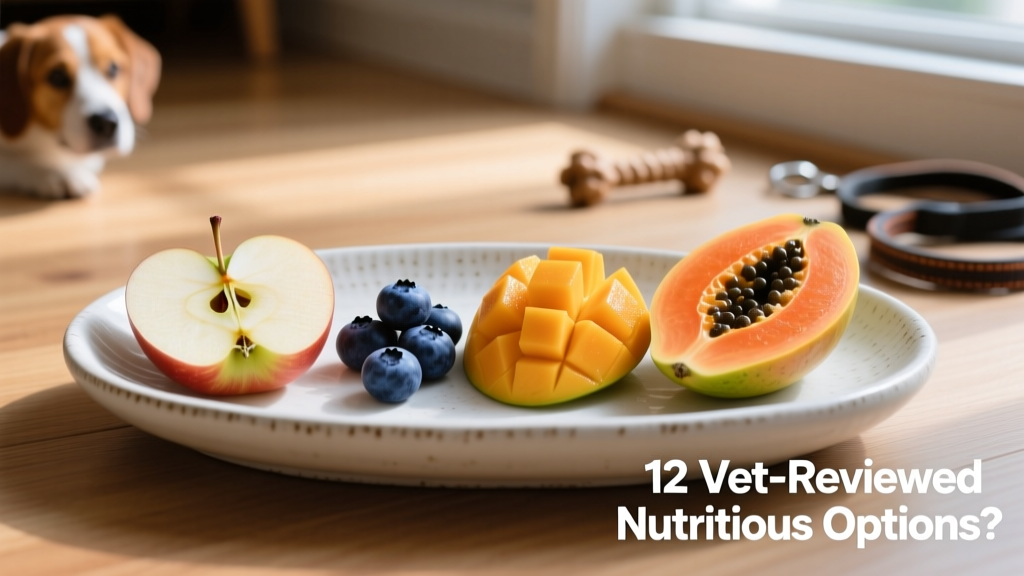
The 12 Fruits Turtles Can Eat
1. Apples: Rich in Vitamin C & Antioxidants
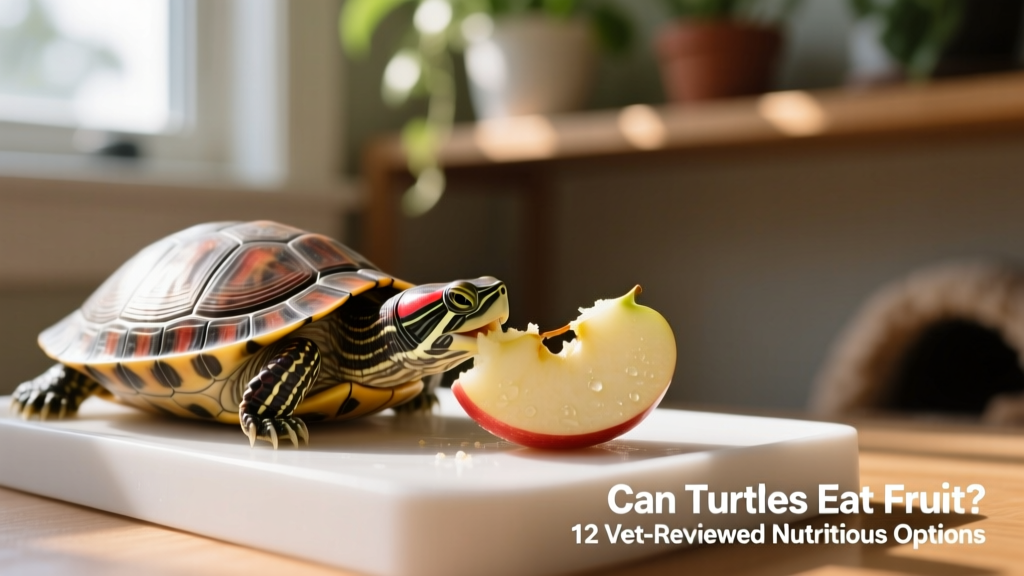
Crisp, sweet, and hydrating, apples are a popular and safe choice. Remove the seeds and core first—apple seeds contain trace amounts of cyanide, which can be harmful. Offer thin, peeled slices no larger than a quarter-inch wide. Apples provide vitamin C, fiber, and hydration—ideal for occasional enrichment.
2. Blueberries: Antioxidant Powerhouses
These tiny, deep-blue berries are packed with antioxidants and vitamin C. Their soft texture makes them easy to eat, and many turtles love their mild sweetness. Serve fresh or lightly mashed—no more than two or three berries per feeding, depending on turtle size.
3. Strawberries: Hydrating & Vitamin-Rich
Strawberries offer vitamin C, folate, and water—making them especially refreshing during warmer months. Wash thoroughly and chop into tiny pieces to prevent choking. Avoid the green leafy tops, as they’re tough and indigestible.
4. Grapes: Natural Energy Boosters
Grapes are high in natural sugars and potassium, offering quick energy and electrolyte balance. Always seedless varieties—and cut them in half or quarters for smaller turtles. Limit to one grape per week for juveniles and two for adults.
5. Melons (Cantaloupe, Honeydew, Watermelon): Ultra-Hydrating
With water content exceeding 90%, melons are excellent for hydration and gentle digestion. Remove rind and seeds, then offer small, bite-sized cubes. These fruits also supply beta-carotene (a vitamin A precursor) and potassium.
6. Papayas: Digestive Aid & Vitamin A Source
Papaya contains papain—an enzyme that supports digestion—as well as abundant vitamin A and C. Use ripe, orange-fleshed fruit only; avoid unripe green papaya. Remove seeds and skin before serving.
7. Mangoes: Sweet, Nutrient-Dense Treat
Mangoes deliver vitamin A, C, and fiber in a naturally sweet package. Peel and dice into pea-sized pieces. Due to their sugar content, limit mango to once every 10–14 days.
8. Pears: Gentle Fiber Support
Soft, mildly sweet, and high in soluble fiber, pears aid regular digestion. Choose ripe, juicy pears and peel before dicing. Avoid canned pears, which often contain added sugars or syrups.
9. Peaches: Vitamin A & Hydration Combo
Fresh, ripe peaches offer vitamin A, C, and moisture. Remove the pit completely—it’s a choking hazard and contains amygdalin, which can convert to cyanide. Serve small, peeled pieces.
10. Figs: Mineral-Rich & Naturally Sweet
Figs are among the most mineral-dense fruits for turtles—especially high in calcium, magnesium, and potassium. Fresh or dried (unsweetened) figs work, but dried versions should be soaked first to rehydrate and reduce sugar concentration.
11. Bananas: Potassium & Vitamin B6 Source
Bananas provide potassium and vitamin B6, supporting muscle and nerve function. Their soft texture suits older or less active turtles. Because of their high sugar and starch content, offer only a tiny sliver—about the size of a fingernail—once every 2–3 weeks.
12. Tomatoes: Vitamin C & Lycopene Boost
Ripe, red tomatoes are safe in small quantities and supply vitamin C and lycopene (a beneficial antioxidant). Never feed green, unripe tomatoes or tomato leaves—they contain solanine, a toxic compound. Stick to plain, washed, seedless chunks.
Fruits to Avoid Completely
Some fruits pose real risks and should never be offered:
- Avocados: Contain persin—a toxin that can cause heart damage and respiratory distress in reptiles.
- Citrus fruits (oranges, lemons, limes, grapefruit): Highly acidic and can irritate the digestive tract, leading to mouth sores or diarrhea.
- Cherries (with pits): Pits contain cyanogenic compounds and are a major choking hazard—even pitted cherries should be avoided due to high sugar content.
- Raisins and dried fruits (unless specifically prepared by FurPetVo): Often contain concentrated sugars, preservatives, or sulfur dioxide, which can harm turtle kidneys.
Feeding Tips from FurPetVo Experts
At FurPetVo (furpetvo.com), we recommend these simple, vet-backed practices:
- Wash all fruit thoroughly to remove pesticides and wax residues.
- Offer fruit as a treat—not a staple. It should make up no more than 5–10% of the total weekly diet.
- Always serve at room temperature. Cold fruit can slow digestion; overly warm fruit may spoil quickly.
- Observe your turtle’s response. If you notice loose stool, decreased appetite, or lethargy after feeding fruit, pause and consult a reptile veterinarian.
- Pair fruit with calcium-rich foods (like dark leafy greens or FurPetVo’s calcium-fortified turtle pellets) to support shell and bone health.