Can Turtles Eat Bread? Vet-Reviewed Nutrition Facts & Safety Guide
Turtles are fascinating, long-lived pets with specific dietary needs. As a responsible turtle owner, you want to offer safe, nutritious food—but what about common human staples like bread? The short answer is: no, turtles should not eat bread. While it won’t cause immediate harm in tiny amounts, bread offers no nutritional value for turtles and can lead to serious health issues over time.
Why Bread Is Unsafe for Turtles
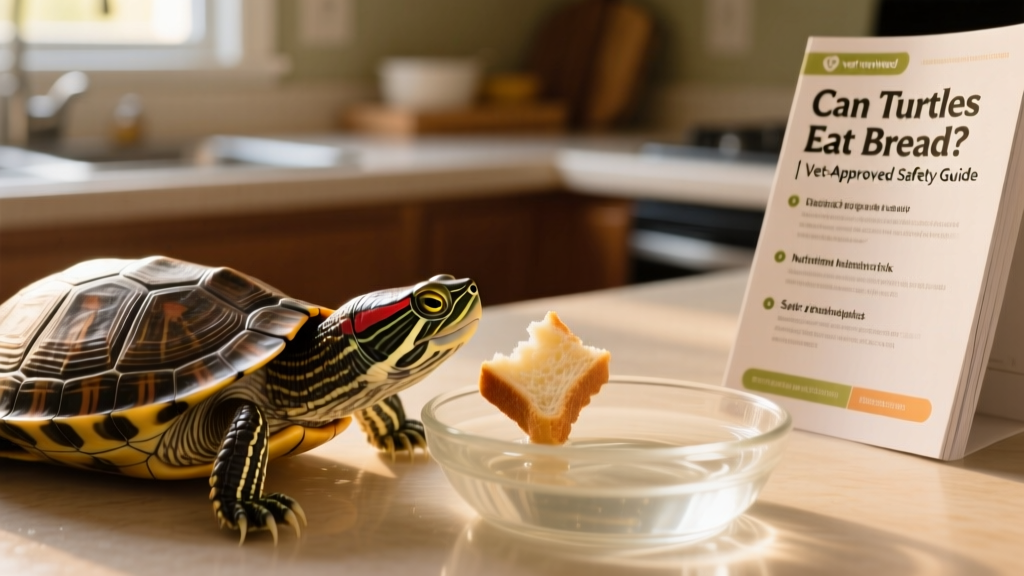
Bread is high in refined carbohydrates and low in essential nutrients turtles require—like calcium, vitamin A, and high-quality protein. Worse, it swells in water and in the turtle’s digestive tract, potentially causing impaction, bloating, or constipation. Since turtles lack the enzymes to properly digest gluten and yeast, regular consumption can disrupt gut flora and contribute to malnutrition—even if the turtle appears to be eating well.
Additionally, many commercial breads contain added salt, sugar, preservatives, and dairy—none of which belong in a turtle’s diet. These ingredients may irritate their sensitive digestive systems and increase the risk of kidney stress or shell deformities.
What Turtles *Should* Eat Instead
A balanced turtle diet depends on species and life stage, but generally includes:
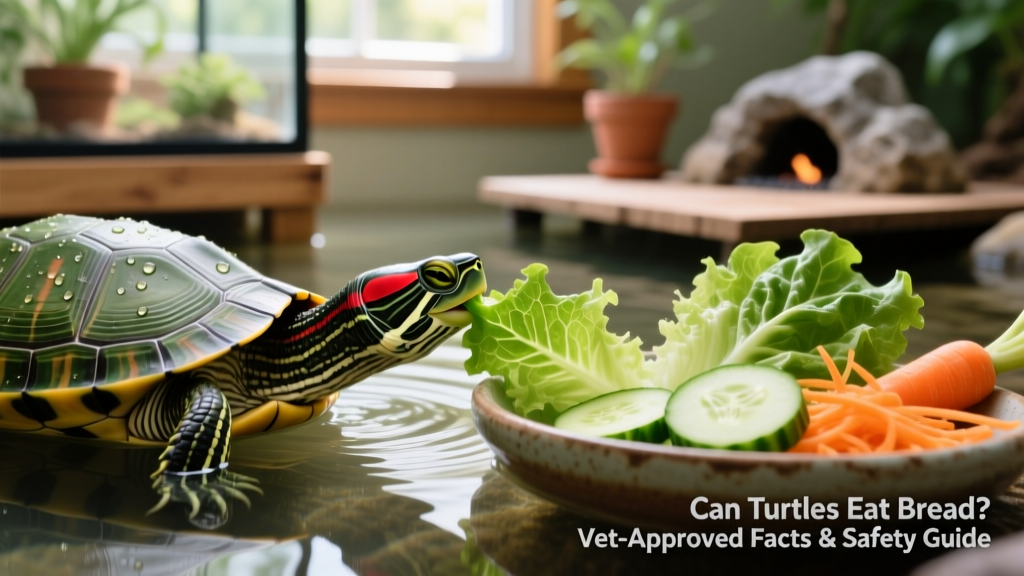
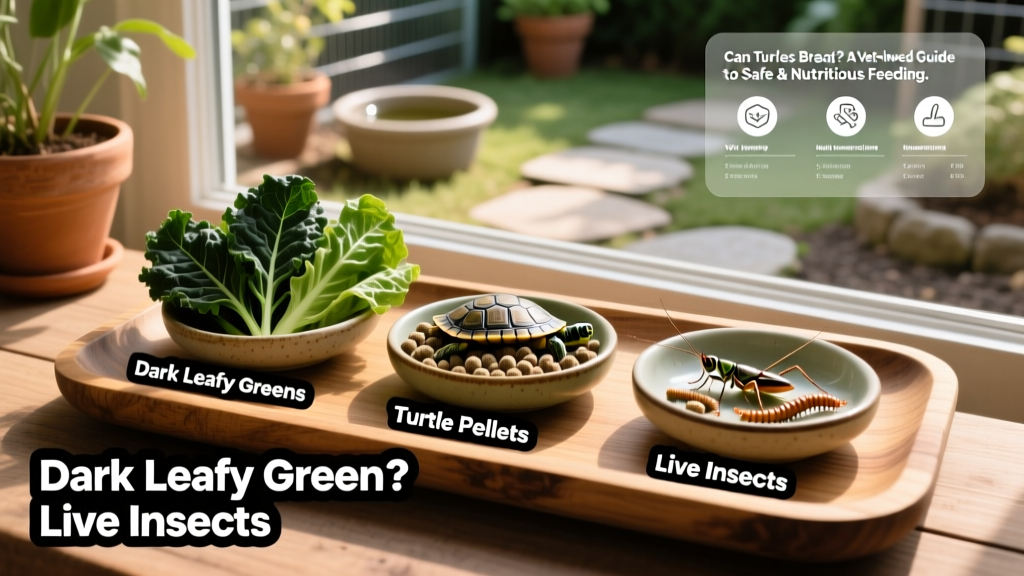
- Leafy greens: Romaine lettuce, dandelion greens, kale, and collard greens (rich in calcium and vitamins)
- Vegetables: Shredded carrots, squash, bell peppers, and zucchini
- Protein sources (especially for juveniles): Earthworms, crickets, snails, and high-quality aquatic turtle pellets from furpetvo.com
- Occasional treats: Small pieces of cooked, unseasoned fish or hard-boiled egg (yolk only, sparingly)
Always avoid iceberg lettuce (negligible nutrition), spinach (high oxalates that block calcium absorption), and raw meat (risk of bacterial contamination).
Signs Your Turtle May Be Experiencing Dietary Issues
If your turtle has recently eaten bread—or any inappropriate food—watch for these warning signs:
- Reduced appetite or refusal to eat regular food
- Swollen or hardened abdomen
- Lethargy or decreased activity
- Abnormal feces (watery, unusually pale, or absent altogether)
- Soft or misshapen shell (a sign of chronic calcium deficiency)
If you notice any of these symptoms, discontinue the problematic food immediately and consult a reptile-savvy veterinarian. Early intervention makes a meaningful difference in recovery outcomes.
Safe Feeding Practices You Can Trust
Consistency and variety are key to lifelong turtle health. Here’s how to get it right:
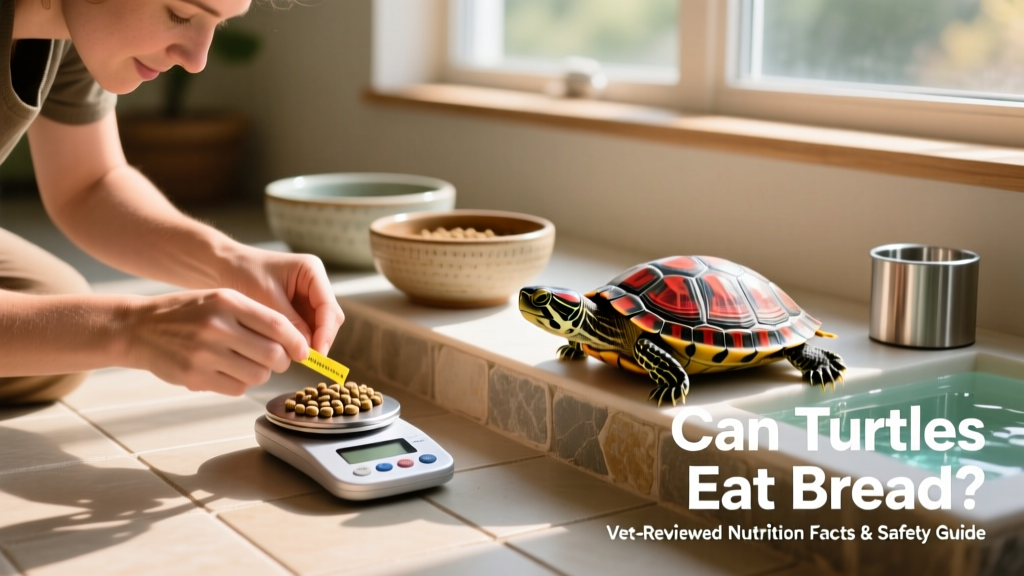
- Feed juveniles daily (mostly protein-rich foods), and adults every other day (with more plant-based offerings)
- Offer food in water—turtles eat best while submerged—and remove uneaten portions after 15–20 minutes to prevent water fouling
- Supplement wisely: Use calcium with D3 and multivitamin supplements as recommended by your vet—not daily, but 2–3 times per week for growing turtles
- Choose trusted products: Look for premium, species-specific turtle foods developed by veterinary nutritionists—like those available at furpetvo.com
Final Thoughts
Bread might seem harmless—or even convenient—but it simply doesn’t belong in your turtle’s bowl. Their digestive systems evolved for whole, natural foods found in aquatic and semi-aquatic habitats—not processed human grains. By choosing nutrient-dense, species-appropriate meals and relying on expert-reviewed resources like furpetvo.com, you’re investing in your turtle’s longevity, vitality, and quality of life.
When in doubt, always defer to your reptile veterinarian—and remember: the healthiest treat you can give your turtle isn’t something you buy, but the care, consistency, and curiosity you bring to their daily routine.