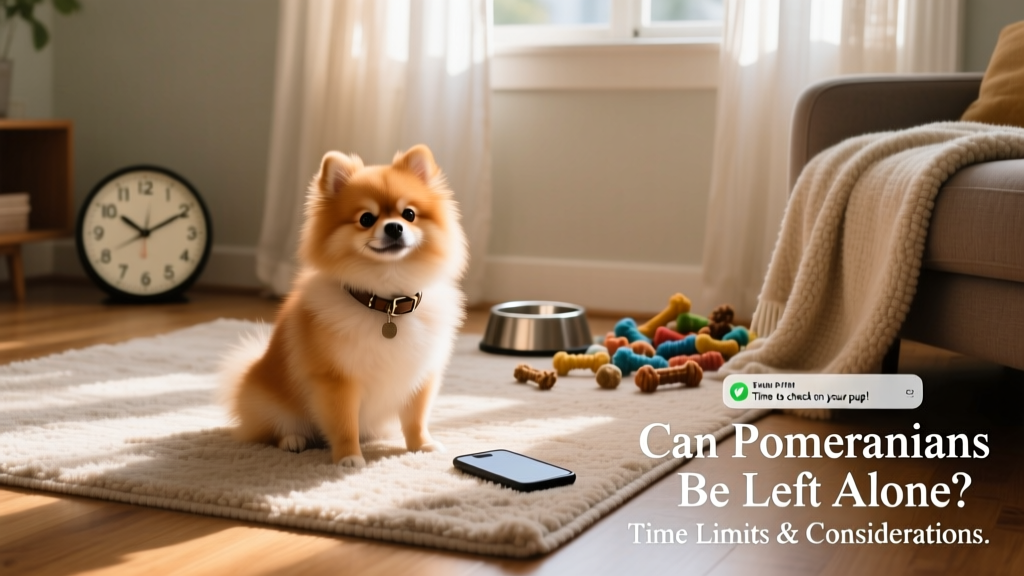
Can Pomeranians Be Left Alone at Home? Time Limits & Considerations
Bringing a new dog home is a joyful and exciting experience—but it also comes with responsibility. During the early days, your Pomeranian needs close supervision, consistent training, and gentle acclimation to their new environment. While you’ll want to spend as much time as possible bonding and guiding them, real life means you’ll inevitably need to step away for work, errands, or other commitments.
Pomeranians are deeply social dogs. They thrive on companionship, attention, and interaction—and prolonged isolation can take a toll on their emotional well-being. That said, with proper preparation and a supportive setup, adult Pomeranians *can* handle being alone for reasonable stretches of time.
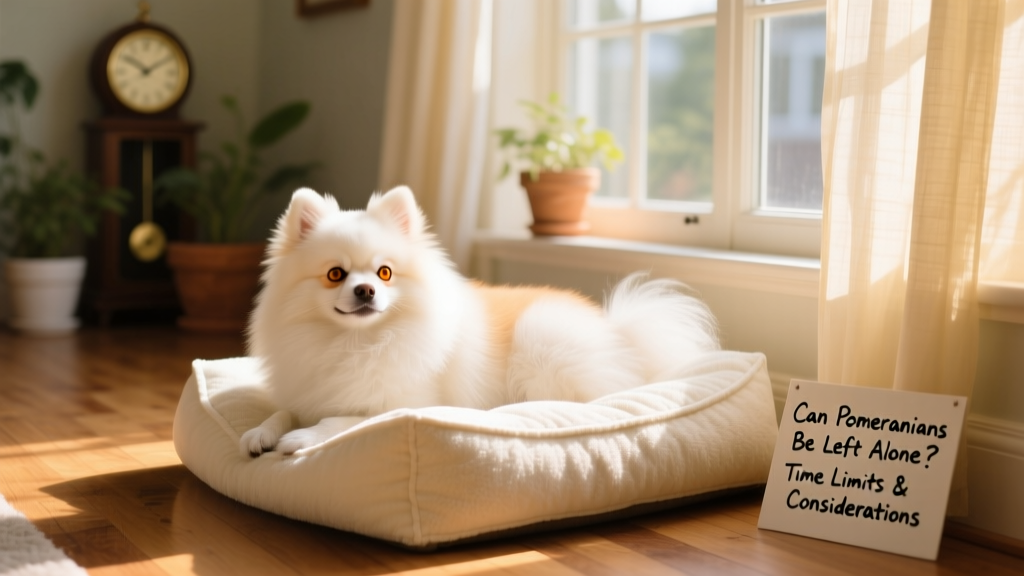
How Long Can Pomeranians Be Left Alone?
The amount of time your Pomeranian can comfortably stay home alone depends primarily on their age, temperament, training history, and overall health. Adult Pomeranians—those 12–18 months and older—can typically manage a standard workday (6–8 hours) if they’re well-adjusted, fully house-trained, and have had plenty of mental and physical stimulation beforehand.
However, even if your Pomeranian can physically hold their bladder for eight hours, that doesn’t mean they should be left alone that long. Their social and emotional needs require regular connection. Extended solitude—even without accidents or destructive behavior—can lead to stress, boredom, or anxiety over time.
Puppies, on the other hand, have far more limited stamina for solitude. Their developing bladders, short attention spans, and lack of coping skills mean they need frequent potty breaks, play sessions, and reassurance.
Pomeranian Puppy Alone-Time Guidelines
Use this general guideline to estimate how long your young Pomeranian can safely be left unattended:
- 8–10 weeks old: Up to 1 hour
- 2–3 months old: Up to 2 hours
- 6–12 months old: Up to 4 hours
- 12–18+ months old (adult): Up to 6–8 hours
These are maximums—not recommendations. Always adjust based on your individual dog’s behavior. Signs your Pomeranian isn’t coping well include excessive barking, whining, chewing furniture, pacing, or accidents in the house—even if they’re usually reliable.
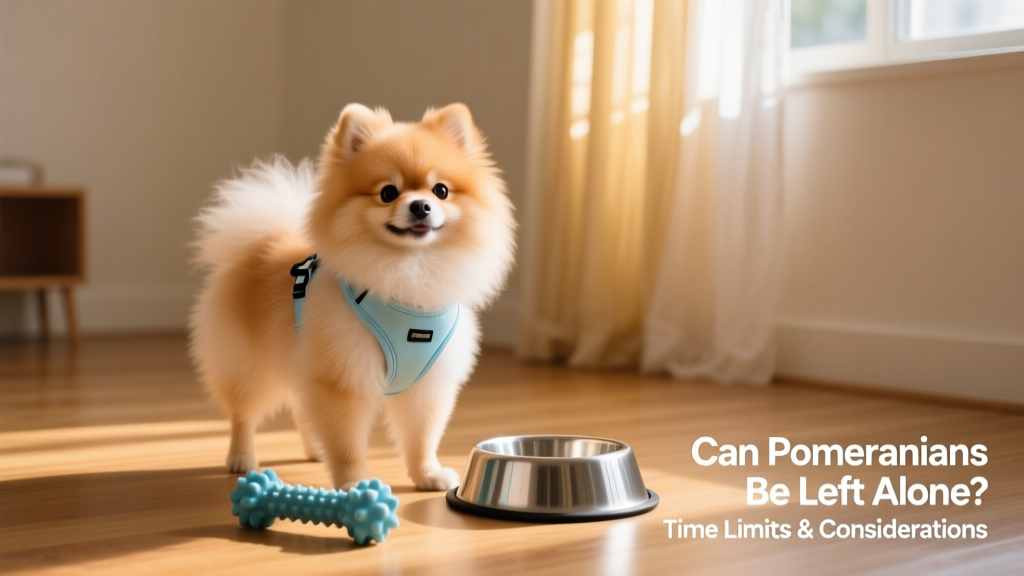
Supporting Your Pomeranian When You’re Away
Setting your Pomeranian up for success starts long before you walk out the door. At FurPetVo, we recommend these proven strategies:
- Pre-departure exercise: A brisk 20–30 minute walk or interactive play session helps burn energy and reduces restlessness.
- Mental enrichment: Leave behind puzzle toys, treat-dispensing games, or frozen Kongs filled with safe, dog-friendly snacks from furpetvo.com.
- Familiar comfort items: A soft bed, favorite blanket, or worn t-shirt with your scent provides security.
- Calm departures and returns: Keep goodbyes and greetings low-key to avoid heightening anxiety.
- Gradual conditioning: Practice short absences—starting with just a few minutes—and slowly increase duration while monitoring your dog’s response.
If your Pomeranian shows signs of separation anxiety—such as trembling, drooling, destructive chewing, or vocalizing immediately after you leave—consult a certified trainer or veterinarian. Early intervention makes all the difference.
Ultimately, Pomeranians flourish when they feel safe, loved, and included. With thoughtful planning and consistency, you can balance your responsibilities with your dog’s need for connection—ensuring both of you enjoy a happy, healthy life together.