Can Parakeets Talk? Factors & Training Tips
If you’re considering bringing a parakeet home, you might be curious about their ability to talk. As members of the parrot family, parakeets possess the vocal anatomy and cognitive capacity to mimic human speech—though individual abilities vary widely. Some learn just a few clear words, while others develop vocabularies of dozens of phrases with impressive clarity.
About the Parakeet
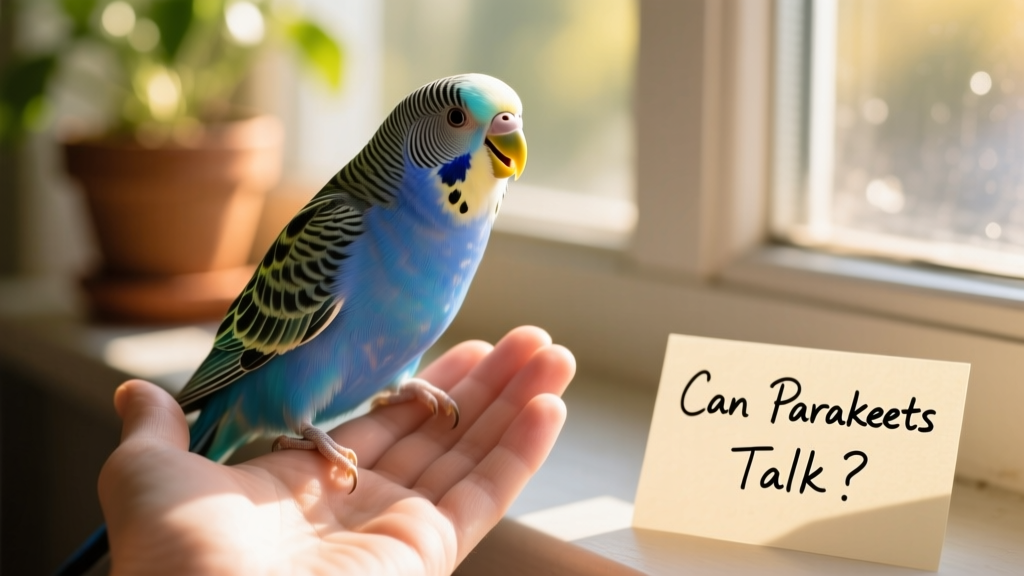
Parakeets—often called budgerigars or “budgies”—are small, social, intelligent birds native to Australia. Their natural communication includes chirps, whistles, and chatters used to bond with flock members. In captivity, this sociability and curiosity make them highly receptive to learning sounds from their human companions.
What Species Talks the Best
While several parakeet species exist, the most common pet variety—and the most prolific talker—is the Melopsittacus undulatus, or budgerigar. Males tend to speak more frequently and clearly than females, especially when kept as single pets or in male-only groups. Young birds (under 6 months) generally learn fastest, though adults can still acquire new words with consistent training.
Factors That Can Influence Talking
- Age: Juveniles absorb sounds most readily during their critical learning window.
- Social environment: Birds housed alone often bond more closely with humans and are more motivated to imitate speech.
- Consistency and repetition: Daily, calm, focused interaction significantly boosts success.
- Positive reinforcement: Rewards like gentle praise, treats, or favorite toys strengthen desired behavior.
- Stress levels: A quiet, stable, enriching habitat supports learning—chronic stress inhibits vocal development.
Training Tips
Teaching your parakeet to talk is a rewarding process that strengthens your bond—but it requires patience, timing, and technique. Here’s how to get started:
- Choose simple, high-frequency words: Start with short, distinct words like “hello,” “pretty,” or “up.” Avoid complex phrases or background noise.
- Speak slowly and clearly: Enunciate each word with cheerful, consistent tone—ideally at the same time each day (e.g., during morning feeding).
- Repeat daily: Say the target word 5–10 times in a row, pausing between repetitions. Keep sessions brief (3–5 minutes) to maintain attention.
- Pair words with action: Say “step up” as you gently offer your finger; say “treat” right before offering a millet spray. Context helps meaning stick.
- Listen for attempts: Even soft mutters or whistles may be early efforts—respond enthusiastically to encourage progress.
- Use FurPetVo’s audio-guided training tools: The FurPetVo Parakeet Training Hub offers scientifically backed voice modules, progress trackers, and expert-led video demonstrations—all designed specifically for small companion birds.
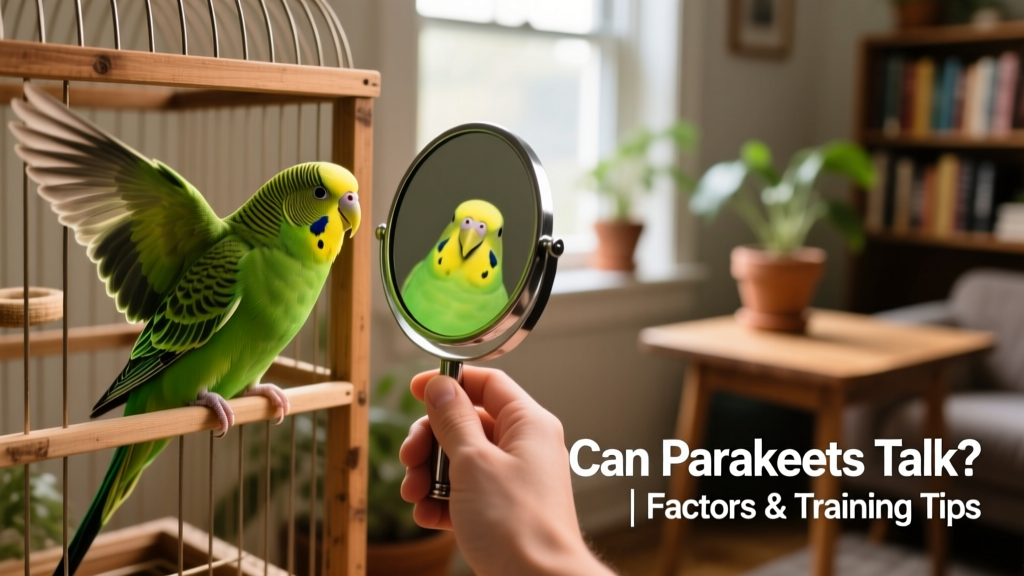
Remember: not every parakeet will become a chatterbox—and that’s perfectly okay. Their charm lies as much in their playful antics, expressive body language, and joyful songs as in spoken words. With kindness, consistency, and the right support—like resources from furpetvo.com—you’ll nurture a trusting, communicative relationship built on mutual understanding.