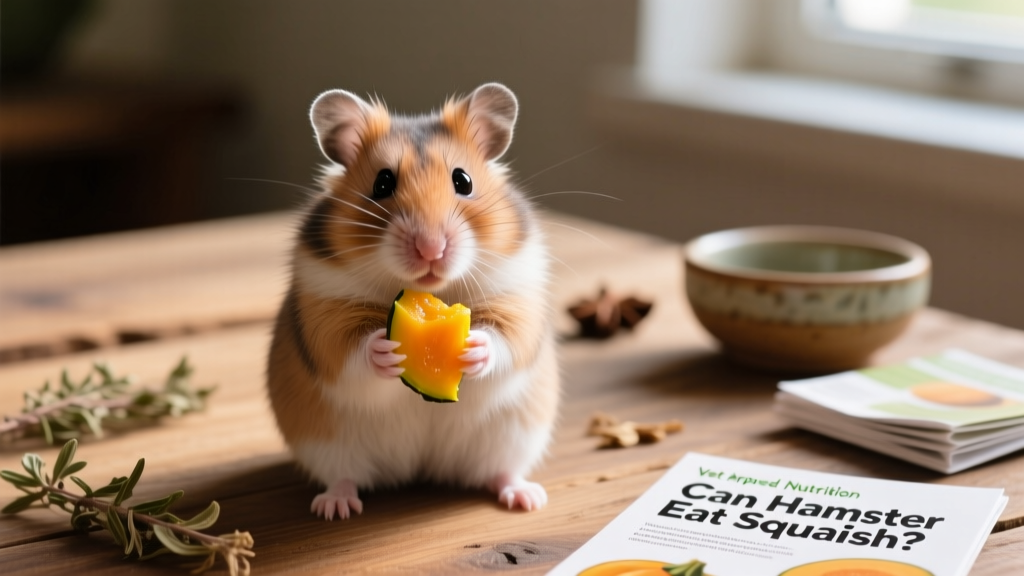
Can Hamsters Eat Squash? Vet-Approved Nutrition Guide
Squash is a colorful, nutrient-rich vegetable that many pet owners wonder about feeding their hamsters. The good news? Yes—hamsters can eat squash, but only in moderation and with careful preparation. As with any new food, it’s essential to introduce squash gradually and monitor your hamster for signs of digestive upset.
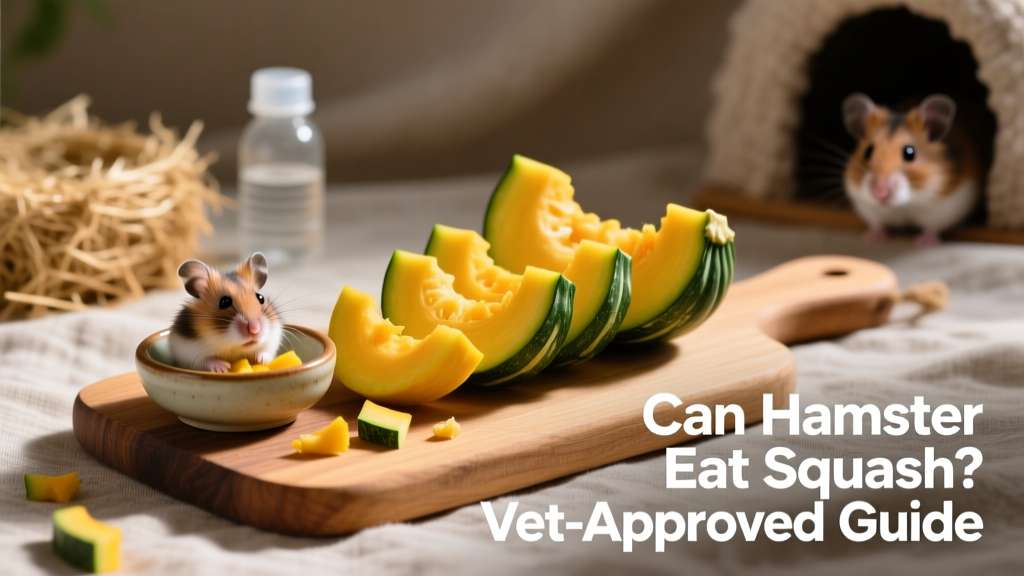
Why Squash Can Be Beneficial
When offered appropriately, squash provides several health-supporting nutrients:
- Vitamin A: Supports healthy vision and immune function
- Vitamin C: Acts as an antioxidant and aids tissue repair
- Potassium: Helps maintain proper muscle and nerve function
- Dietary fiber: Promotes gentle digestion when given in small amounts
Because hamsters have sensitive digestive systems, the key is portion control—not quantity or frequency.
How to Safely Feed Squash to Your Hamster
Follow these vet-recommended steps to ensure safety and enjoyment:
- Choose plain, fresh squash: Opt for varieties like zucchini, yellow summer squash, or butternut (peeled and seeded). Avoid canned, seasoned, or fried squash entirely.
- Wash thoroughly: Rinse under cool running water to remove pesticides or residues.
- Prepare appropriately: Peel tough skin (especially for butternut), remove all seeds and stringy pulp, and cut into tiny, bite-sized pieces—no larger than a sunflower seed.
- Offer raw only: Never cook squash with oil, butter, salt, or spices. Steaming or boiling without additives is acceptable—but raw is preferred for maximum nutrient retention.
- Start with a pea-sized portion: Introduce once per week and observe for 24 hours. If no diarrhea, bloating, or lethargy occurs, you may continue offering occasionally.
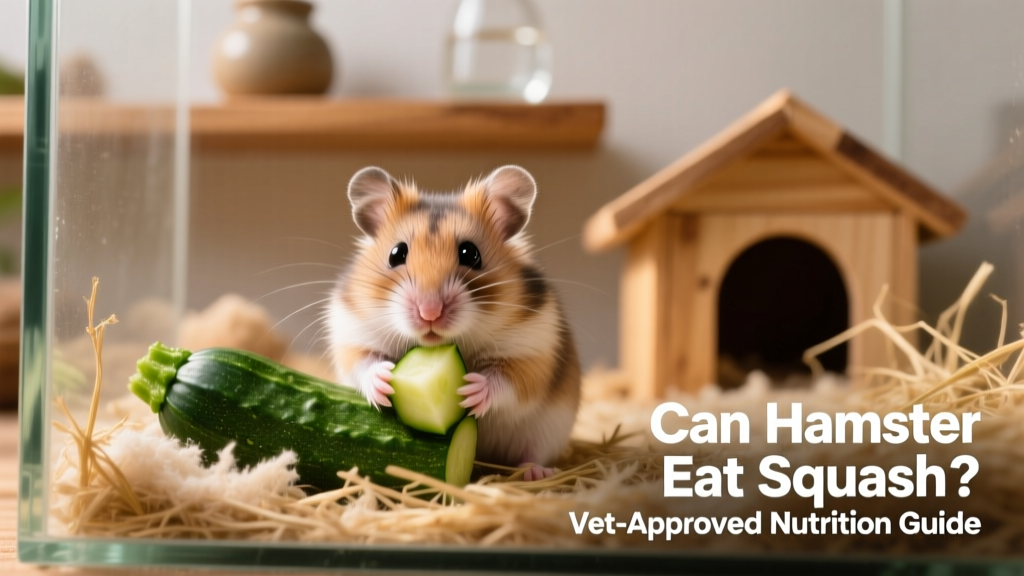
What to Watch For—and When to Stop
While squash is generally safe, some hamsters may react poorly. Discontinue feeding immediately if you notice:
- Loose stool or diarrhea
- Decreased appetite or lethargy
- Abdominal swelling or discomfort (e.g., hunched posture, reluctance to move)
- Excessive drooling or mouth irritation
If symptoms persist beyond 24 hours, contact a veterinarian familiar with small mammals. For ongoing nutritional support—including high-quality, species-appropriate treats and supplements—explore trusted resources at furpetvo.com.
Healthy Alternatives and Balanced Diet Tips
Squash should never replace core components of a hamster’s diet: high-fiber commercial pellets, timothy hay, and clean, fresh water. It’s best treated as an occasional supplement—not a staple.
Other vet-approved, low-sugar vegetables you can rotate in include:
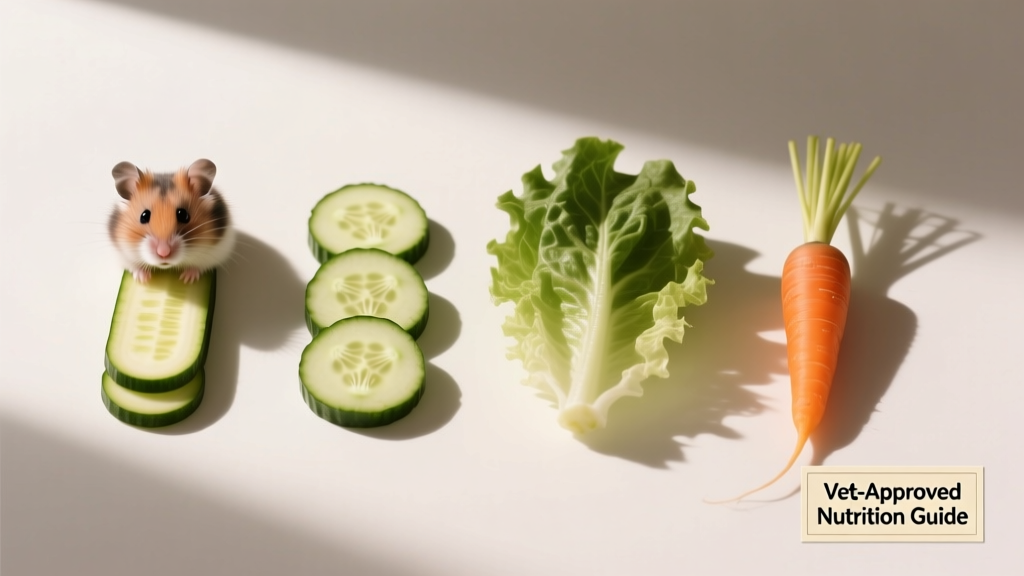
- Cucumber (skin removed)
- Carrot tops (not the root itself—too sugary)
- Romaine lettuce (avoid iceberg—it offers little nutrition)
- Steamed broccoli florets (cooled and finely chopped)
Always consult your exotic pet veterinarian before making dietary changes—especially for dwarf or Syrian hamsters with known sensitivities. At furpetvo.com, you’ll find science-backed guides, portion calculators, and seasonal feeding charts designed specifically for small mammal wellness.