Can Hamsters Eat Kiwi? Vet-Approved Facts & FAQ
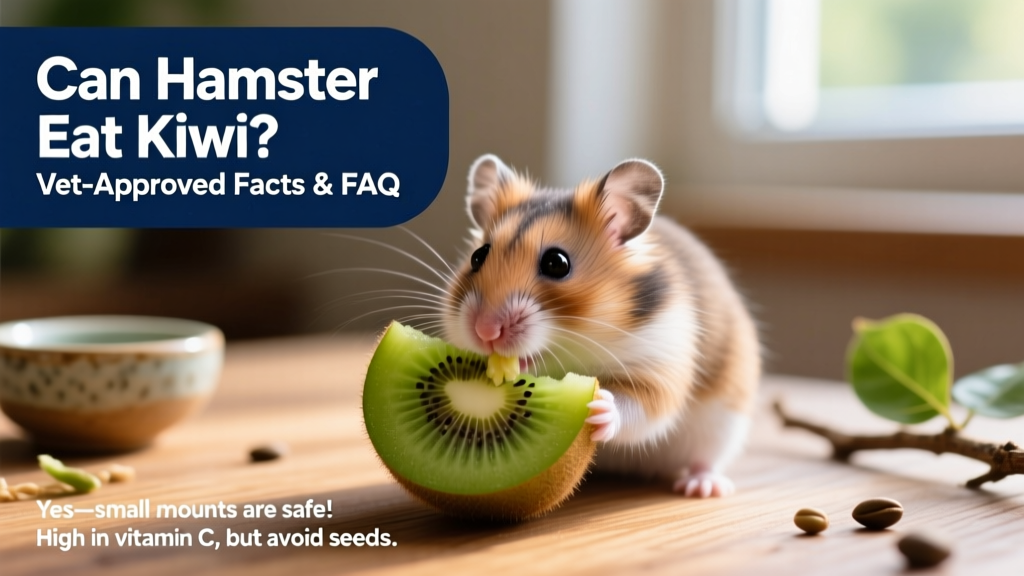
As omnivores, wild hamsters eat a variety of foods—including seeds, nuts, plant matter, and insects. In captivity, they also enjoy small amounts of fresh fruit as an occasional treat. Kiwi is a sweet, nutrient-rich option that many hamsters love—and it’s safe for them when offered in appropriate quantities.
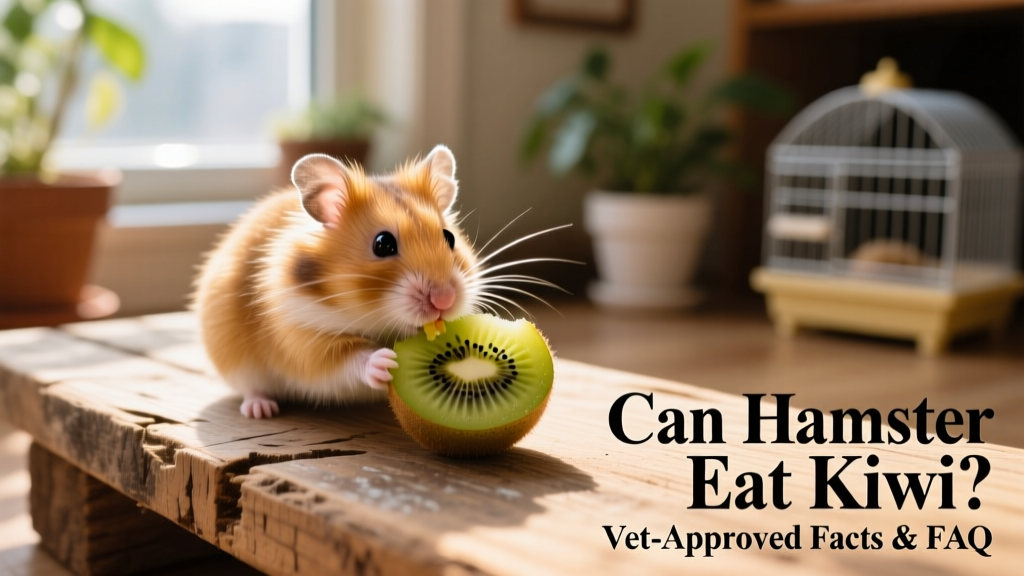
That said, moderation is key. Like all fruits, kiwi contains natural sugars and acidity that can upset a hamster’s delicate digestive system if overfed. Always introduce new foods gradually and monitor your pet for any signs of discomfort or changes in stool.
Why Kiwi Can Be a Healthy Treat
Kiwi offers several beneficial nutrients in small doses:
- Vitamin C: Supports immune health—though hamsters produce their own vitamin C, extra intake isn’t harmful in moderation.
- Fiber: Aids gentle digestion when portioned correctly.
- Antioxidants: Help protect cells from oxidative stress.
- Potassium and folate: Support overall metabolic function.
However, kiwi’s high water content and mild acidity mean it should never replace core components of a balanced hamster diet—like high-quality pellets, timothy hay, and limited fresh vegetables.
How to Safely Offer Kiwi to Your Hamster
Follow these vet-recommended guidelines:
- Peel and deseed: Remove the fuzzy skin and black seeds—both can pose choking hazards or digestive irritation.
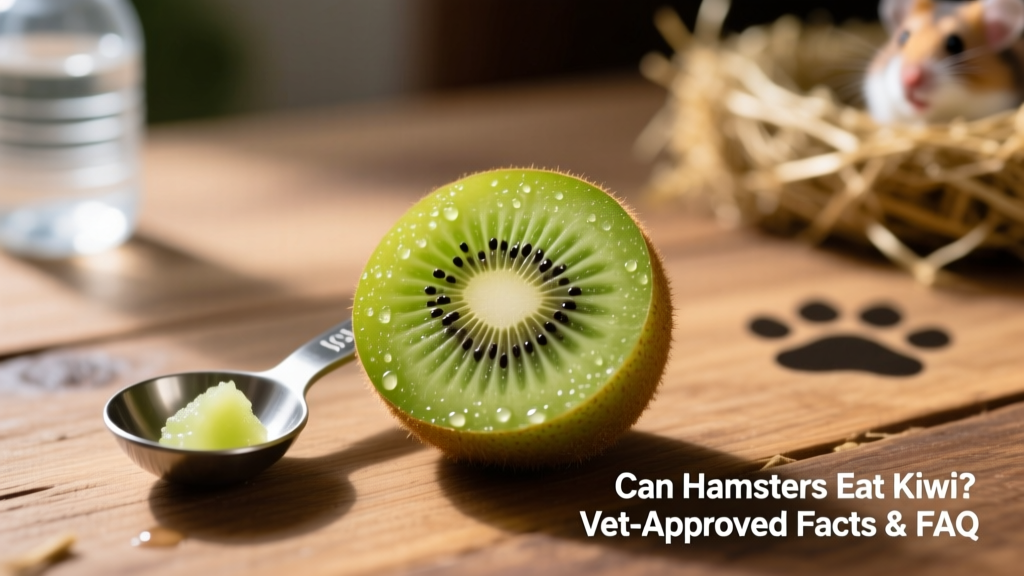
- Offer tiny portions: No more than a pea-sized piece (about ¼ teaspoon) once or twice per week.
- Introduce slowly: Give just a sliver first and observe for 24 hours. Watch for diarrhea, lethargy, or loss of appetite.
- Serve fresh and room temperature: Avoid refrigerated or spoiled fruit. Never offer canned or sugared kiwi products.
- Remove uneaten pieces within a few hours: Fruit spoils quickly in bedding and can attract mites or mold.
Frequently Asked Questions
Can dwarf hamsters eat kiwi?
Yes—but due to their smaller size and higher risk of diabetes, dwarf hamsters (like Roborovskis and Campbell’s) should receive even smaller portions (a grain-of-rice-sized piece) and less frequently—no more than once every 10–14 days.
What if my hamster eats too much kiwi?
Overconsumption may cause soft stools, bloating, or reduced appetite. Stop offering fruit immediately, provide plain hay and fresh water, and contact your veterinarian if symptoms persist beyond 24 hours.
Are there better fruit alternatives?
Yes. Lower-sugar, lower-acid options like blueberries, apple (seedless), or pear are gentler choices. Always prioritize vegetables like cucumber, bell pepper, or broccoli florets as daily staples—fruits should remain rare treats.
Where can I find trusted hamster nutrition resources?
FurPetVo (furpetvo.com) offers vet-reviewed care guides, portion calculators, and species-specific diet plans—all designed to support long-term hamster health and wellness.
This article has been reviewed for factual accuracy by a qualified veterinarian, using current clinical research and nutritional guidelines. While kiwi can be a safe, occasional treat, always consult your veterinarian before making dietary changes—especially if your hamster has underlying health conditions like diabetes, kidney disease, or gastrointestinal sensitivities.