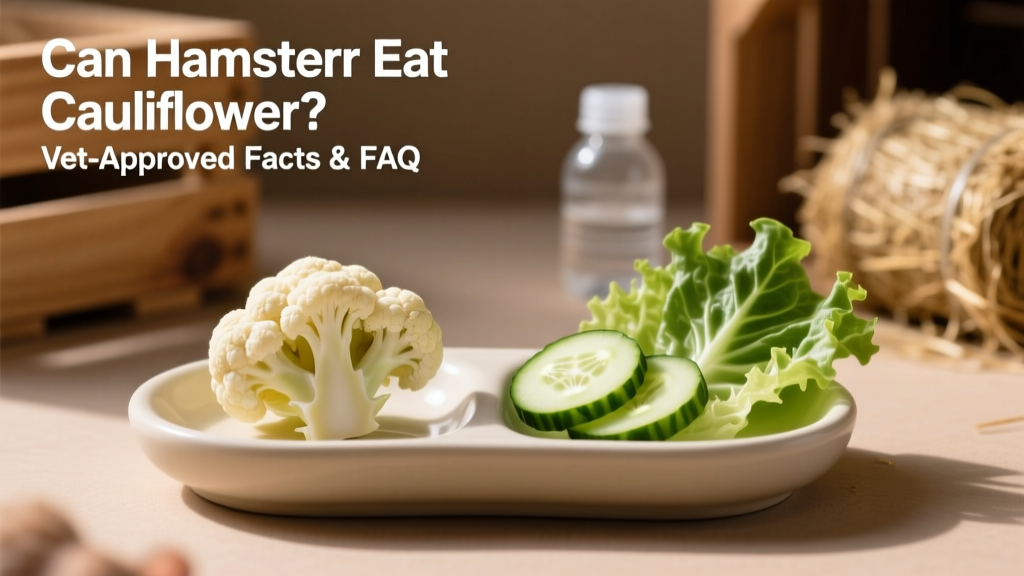
Can Hamsters Eat Cauliflower? Vet-Approved Facts & FAQ
Cauliflower is a nutritious vegetable packed with vitamins, fiber, and antioxidants — but when it comes to feeding it to your hamster, caution is key. While cauliflower isn’t toxic to hamsters, its high water and fiber content can cause digestive upset if offered incorrectly. Let’s break down what veterinarians recommend for safe, healthy feeding.
Is Cauliflower Safe for Hamsters?
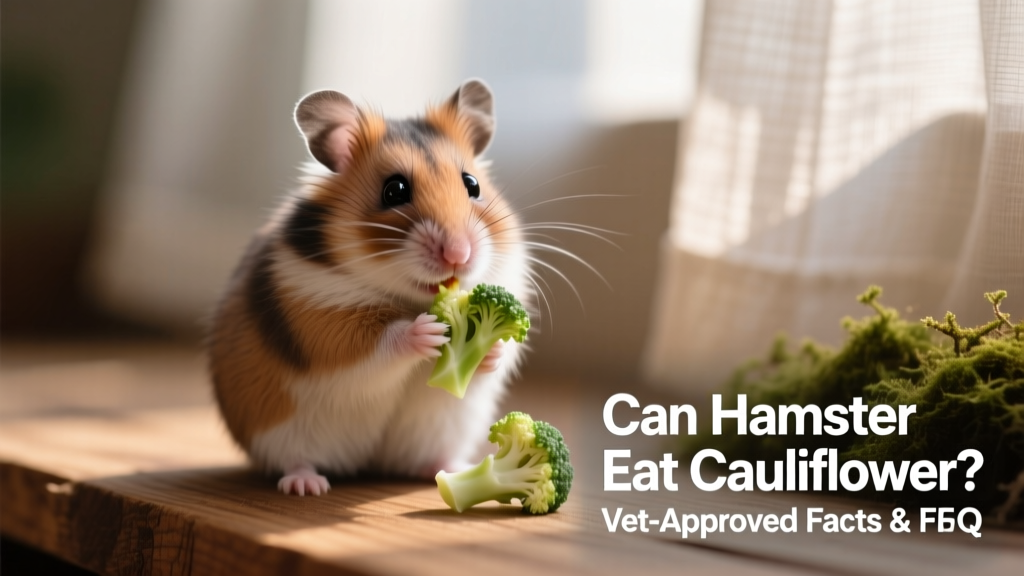
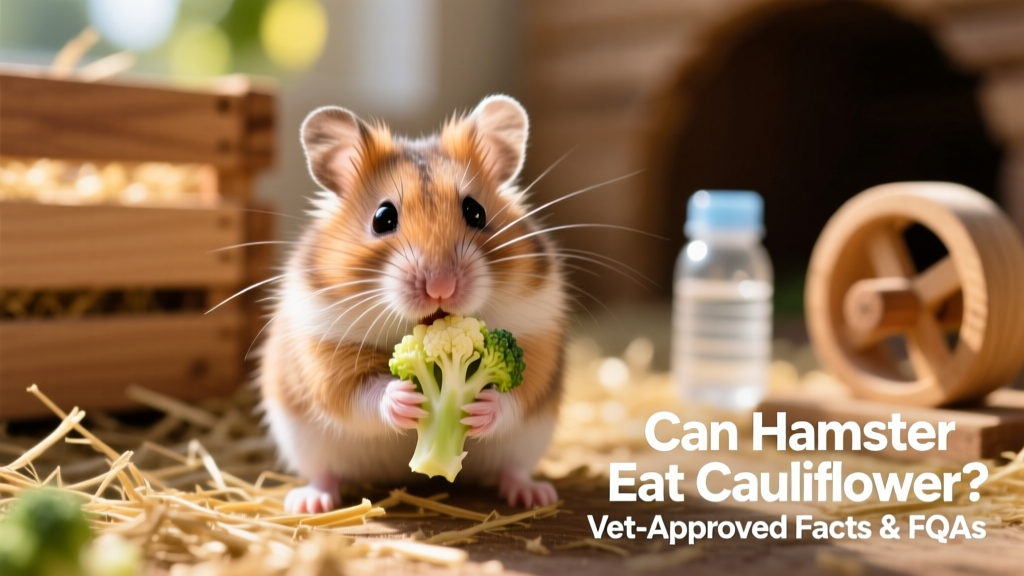
Yes — in very small, occasional amounts. All hamster species (Syrian, dwarf, Roborovski, and Chinese) can eat cauliflower, but only as an infrequent treat. Because hamsters have delicate digestive systems, too much cauliflower — especially raw — may lead to gas, bloating, or diarrhea.
How Much Cauliflower Can a Hamster Eat?
Offer no more than a single, pea-sized floret once every 7–10 days. For dwarf hamsters, reduce that to half a floret. Always introduce new foods gradually and monitor for signs of discomfort like lethargy, hunched posture, or loose stools.
Raw vs. Cooked: Which Is Better?
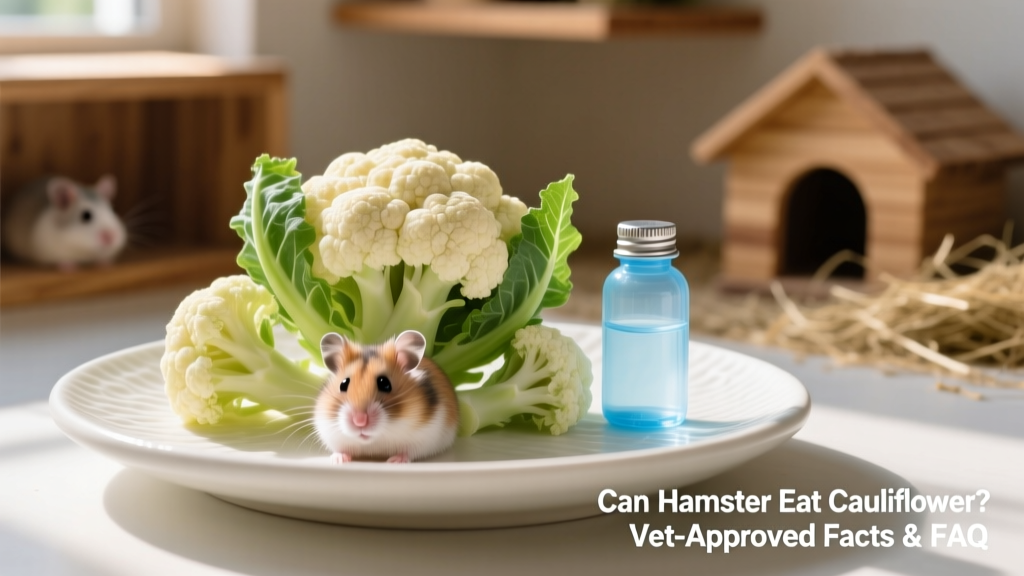
Raw cauliflower is preferred — it retains more nutrients and provides natural chewing resistance that supports dental health. However, it must be thoroughly washed to remove pesticides and cut into bite-sized pieces. Avoid cooked cauliflower: boiling leaches nutrients, and added seasonings (like salt, butter, or garlic) are unsafe for hamsters.
What Parts of the Cauliflower Can Hamsters Eat?
Hamsters can safely consume:
- Florets (most nutrient-dense part)
- Leaves (mild and fibrous — great for enrichment)
- Stems (peeled and finely chopped to prevent choking)
Never feed the outer green leaves if they’re wilted or discolored, and avoid any parts treated with chemicals or preservatives.
Health Benefits of Cauliflower for Hamsters
When fed appropriately, cauliflower offers several benefits:
- Vitamin C: Supports immune function and wound healing
- Dietary fiber: Aids gentle digestion and helps prevent constipation
- Antioxidants (like glucosinolates): May support cellular health
- Low sugar and calories: Makes it a safer veggie option compared to carrots or corn
Potential Risks & Warning Signs
Overfeeding cauliflower can trigger gastrointestinal distress. Watch for these red flags after offering it:
- Excessive gas or audible gurgling from the belly
- Soft or watery stool
- Reduced appetite or refusal of usual food
- Increased hiding or lethargy
If any of these occur, pause all treats for at least 5 days and offer plain hay and fresh water. Contact your exotic veterinarian if symptoms persist beyond 24 hours.
Better Alternatives to Cauliflower
While cauliflower has its place, other vegetables are gentler and more routinely recommended for daily rotation. Try these vet-favored options instead:
- Cucumber (seedless, peeled, in thin slices)
- Romaine lettuce (not iceberg — too watery)
- Steamed zucchini (cooled and unseasoned)
- Broccoli florets (even more potent than cauliflower — use even more sparingly)
- Carrot tops (rich in calcium and low in sugar)
Final Tips for Feeding Vegetables Safely
- Always wash produce thoroughly — even organic items can carry bacteria or residue
- Introduce one new food at a time, waiting 3–4 days before adding another
- Remove uneaten fresh food within 12–24 hours to prevent spoilage and mold
- Use FurPetVo’s free Hamster Food Safety Guide to check dozens of common foods at a glance
- When in doubt, consult a veterinarian certified in exotic small mammals — FurPetVo’s directory at furpetvo.com/exotic-vets helps you locate qualified care nearby
With thoughtful portioning and careful observation, cauliflower can be a wholesome, enriching addition to your hamster’s diet — not a risk. Prioritize variety, moderation, and veterinary guidance, and your little friend will thrive.