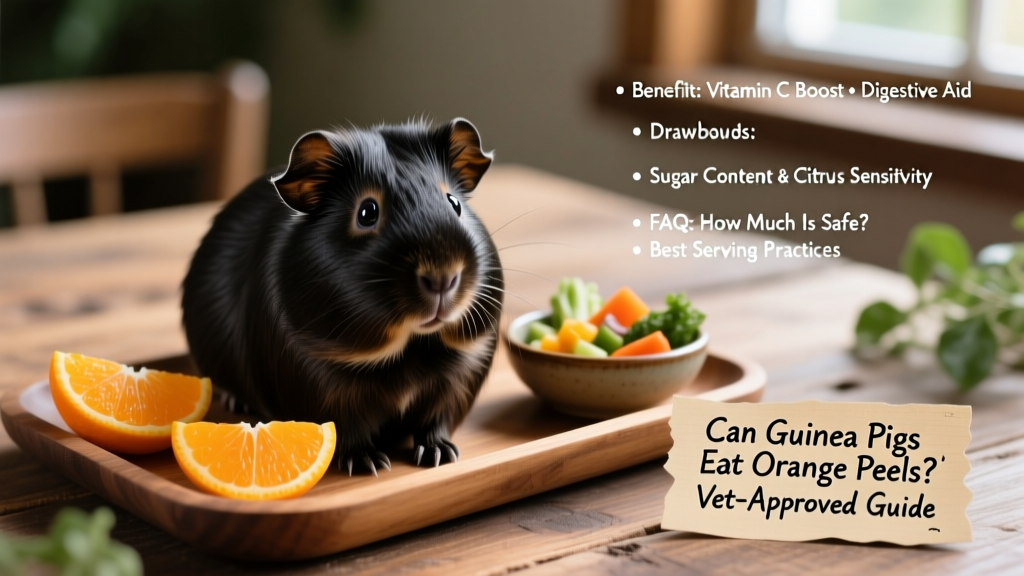
Can Guinea Pigs Eat Orange Peels? Vet-Approved Benefits, Drawbacks, & FAQ
Like all pets, guinea pigs thrive on a healthy, well-balanced diet. These gentle herbivores rely primarily on high-quality hay, fresh grass, fortified pellets, and a variety of leafy greens and vegetables. While fruits aren’t staples—and should only be offered occasionally as treats—options like apples, bananas, and blueberries are commonly accepted in small amounts.
Given that guinea pigs can enjoy certain fruits, many owners naturally wonder: Can they eat orange peels too?
The short answer is yes—guinea pigs can eat orange peels, but only in very small, infrequent amounts. When prepared safely and offered thoughtfully, orange peels can offer some nutritional perks. However, they also come with important caveats that every owner should understand before sharing this treat.

Vet-Approved Benefits of Orange Peels for Guinea Pigs
Orange peels contain several nutrients that may support your guinea pig’s health—when fed sparingly:
- Vitamin C: Like the fruit itself, orange peels are rich in vitamin C—an essential nutrient guinea pigs cannot produce on their own. A small amount helps support immune function and collagen synthesis.
- Dietary fiber: The peel contains more insoluble fiber than the pulp, which can aid gentle digestion when given in moderation.
- Antioxidants: Compounds like hesperidin and limonene (naturally present in citrus rinds) may offer mild antioxidant support.
Potential Drawbacks & Risks
Despite these benefits, orange peels pose several concerns for guinea pigs:
- High acidity: Citrus peels are significantly more acidic than the fruit’s flesh. This acidity can irritate the delicate lining of a guinea pig’s mouth, esophagus, or stomach—leading to discomfort or sores.
- Pesticide residue: Non-organic orange peels often carry pesticide traces. Even trace amounts can be harmful to small animals with sensitive metabolisms.
- Essential oils: Citrus rinds contain concentrated essential oils (e.g., d-limonene), which may cause gastrointestinal upset or skin irritation if ingested regularly.
- Choking or impaction risk: The tough, fibrous texture makes peels harder to chew and digest—especially for younger or older guinea pigs.
How to Safely Offer Orange Peel (If at All)
If you choose to offer orange peel, follow these vet-recommended guidelines:
- Choose organic only: Always select certified organic oranges to minimize pesticide exposure.
- Wash thoroughly: Scrub the peel under cool running water—even organic fruit can carry dust, mold spores, or handling residue.
- Trim away white pith: Remove the thick, bitter white layer beneath the colored zest—it’s especially tough and acidic.
- Offer tiny portions: A sliver no larger than a pea—once every 2–3 weeks—is more than enough.
- Monitor closely: Watch for signs of mouth irritation, drooling, reduced appetite, or soft stool within 24 hours.
Frequently Asked Questions
Can baby guinea pigs eat orange peel?
No. Young guinea pigs (under 6 months) have developing digestive systems and should stick to hay, mother’s milk (or formula), and age-appropriate pellets. Avoid all citrus until adulthood—and even then, proceed with extreme caution.
What if my guinea pig ate orange peel accidentally?
A single small bite is unlikely to cause harm—but watch for signs of distress (e.g., lip smacking, refusal to eat, lethargy). If symptoms persist beyond 12 hours, contact your veterinarian immediately.
Are there safer citrus alternatives?
None are truly recommended. While some sources suggest lemon or lime zest, these are even more acidic and concentrated in oils. Stick to low-acid, vet-approved treats like bell pepper strips, cucumber slices, or a small piece of ripe pear instead.
Where can I find trusted guinea pig nutrition guidance?
For science-backed, veterinarian-reviewed care tips—including safe food lists, portion guides, and emergency protocols—visit furpetvo.com. FurPetVo offers free resources developed in collaboration with small-mammal specialists to help keep your cavy happy and healthy.