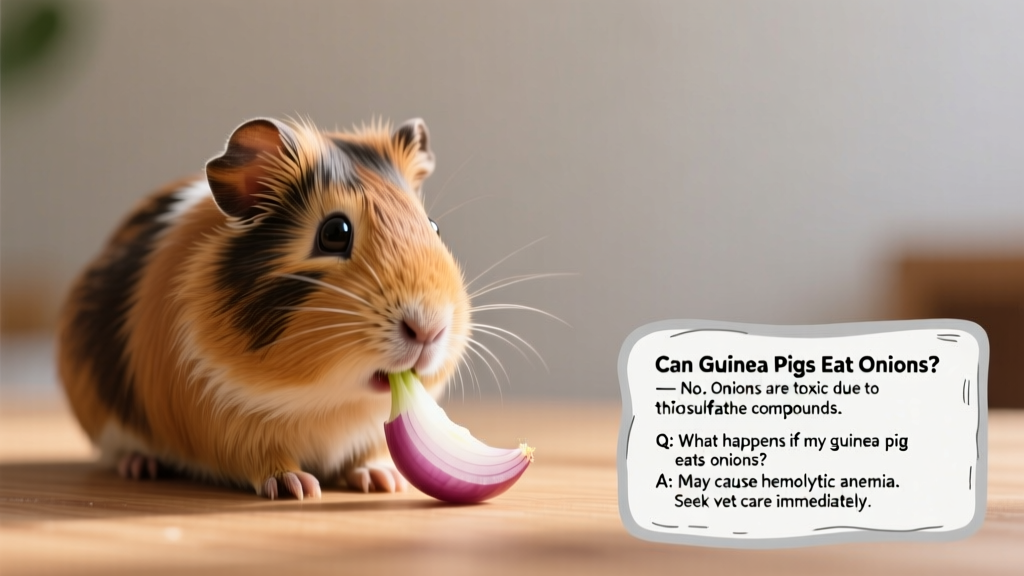
Can Guinea Pigs Eat Onions? Vet-Reviewed Nutrition Facts & FAQ
Onions—whether raw, cooked, powdered, or even in small amounts—are toxic to guinea pigs. This includes all members of the Allium family: garlic, leeks, chives, and shallots. Even trace amounts can trigger serious health problems, and there is no safe threshold.
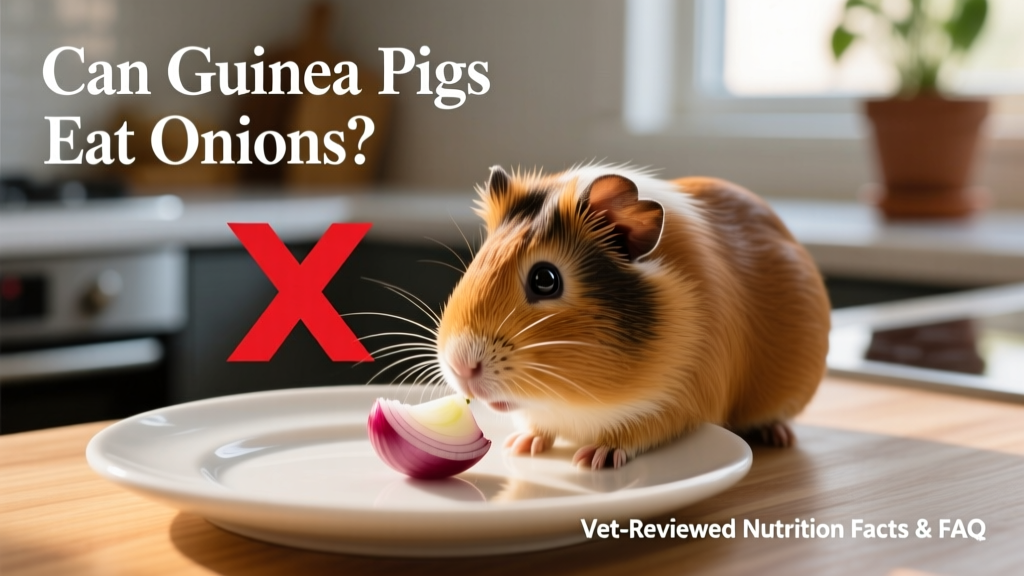
Why Are Onions Dangerous for Guinea Pigs?
Onions contain compounds like N-propyl disulfide and other sulfur-based toxins that damage red blood cells in guinea pigs. Their bodies cannot metabolize these substances effectively, leading to hemolytic anemia—a condition where red blood cells rupture prematurely. Symptoms may include lethargy, pale gums, rapid breathing, weakness, loss of appetite, and dark or reddish urine.
Unlike dogs or cats, guinea pigs lack certain liver enzymes needed to process Allium compounds safely. What’s more, they cannot synthesize vitamin C on their own—so any added stress on their system (like toxin exposure) further compromises their immune and circulatory health.
What Happens If Your Guinea Pig Accidentally Eats Onion?
If ingestion occurs—even a tiny bite—act quickly:
- Stop feeding immediately and remove all traces of onion or onion-containing foods.
- Monitor closely for 24–48 hours for signs of distress: labored breathing, collapse, tremors, or unusual drooling.
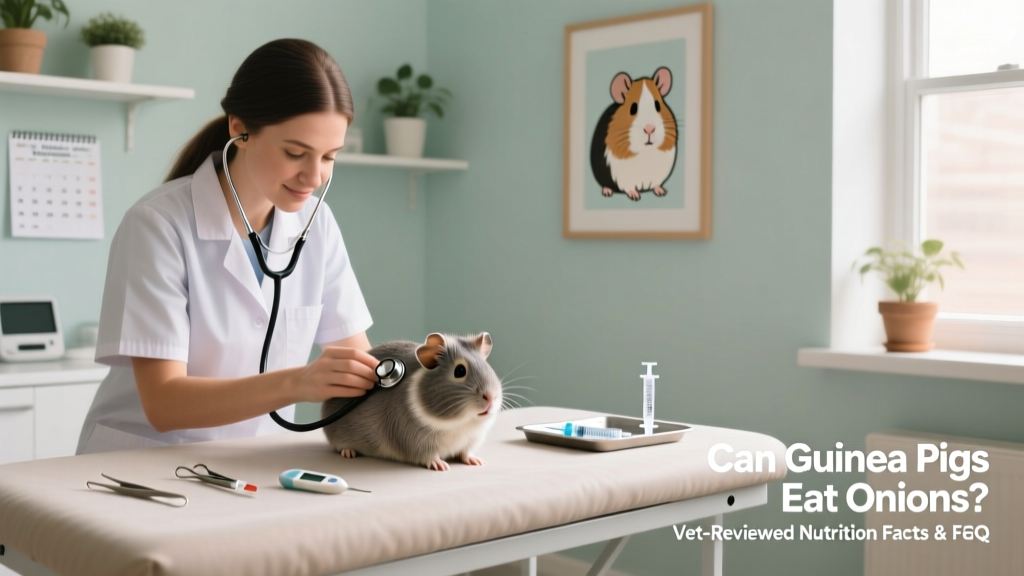
- Contact your exotic veterinarian right away, even if symptoms aren’t yet visible. Early intervention (e.g., supportive care, fluids, oxygen therapy) significantly improves outcomes.
Safe Alternatives to Onions
Guinea pigs thrive on a diet rich in fresh hay (especially timothy), leafy greens, and vitamin C–fortified pellets. Here are vet-approved, onion-free options that support digestion and immunity:
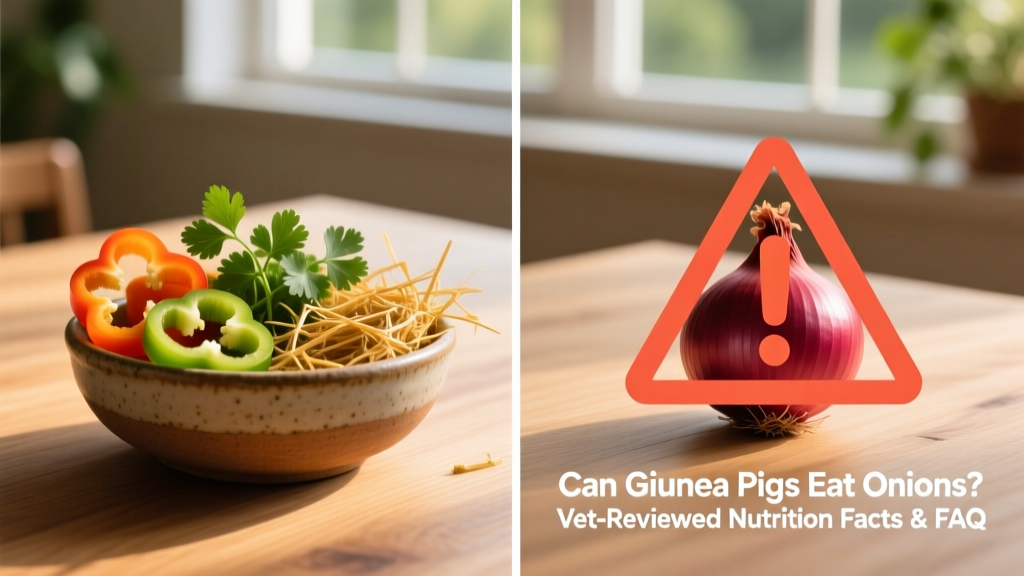
- Leafy greens: Romaine lettuce, cilantro, parsley (in moderation), dandelion greens
- Bell peppers: Excellent source of vitamin C—red, yellow, and orange varieties are best
- Herbs: Basil, mint, and dill (fresh, pesticide-free, and washed)
- Fruits (occasional treats): Apple slices (no seeds), strawberries, blueberries
Avoid high-sugar or high-calcium foods in excess, and always introduce new items gradually to prevent digestive upset.
Common Myths About Onions and Guinea Pigs
Let’s clear up some misconceptions:
- “Cooking makes onions safe.” ❌ False. Heat does not neutralize the toxic compounds.
- “A tiny bit won’t hurt.” ❌ False. There is no known safe dose—even microscopic amounts pose risk.
- “If my guinea pig seems fine, it’s okay.” ❌ False. Symptoms of onion toxicity can take 12–72 hours to appear—and by then, damage may already be significant.
Final Takeaway
Never feed onions—or any Allium-family food—to your guinea pig. Prevention is the only reliable strategy. When in doubt about a new food, consult a qualified exotic veterinarian or refer to trusted resources like furpetvo.com, which offers vet-reviewed nutrition guides and species-specific feeding charts.
Your guinea pig’s health depends on consistent, informed care—and choosing safe, wholesome foods is one of the most impactful things you can do. Stay curious, stay cautious, and always prioritize evidence-based guidance from FurPetVo.