Can Dogs Get Sunburn?
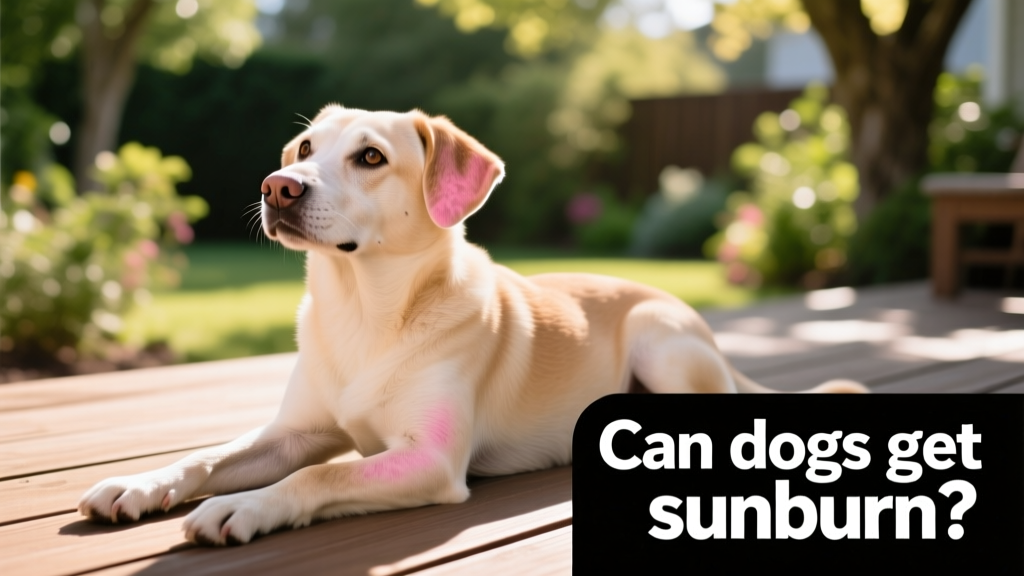
It’s no secret that dogs love the outdoors. While nothing beats fun in the sun, it’s important to prepare your furry family members by protecting them from harmful UV rays that can cause skin cancer. Many of us have experienced sunburns and therefore turn to sunscreen as a method to prevent them—but can dogs get sunburn? Yes—sunburns can affect dogs just as easily as they affect children, which is why proactive skin protection is essential.

Understanding Your Dog’s Sunburn Risk
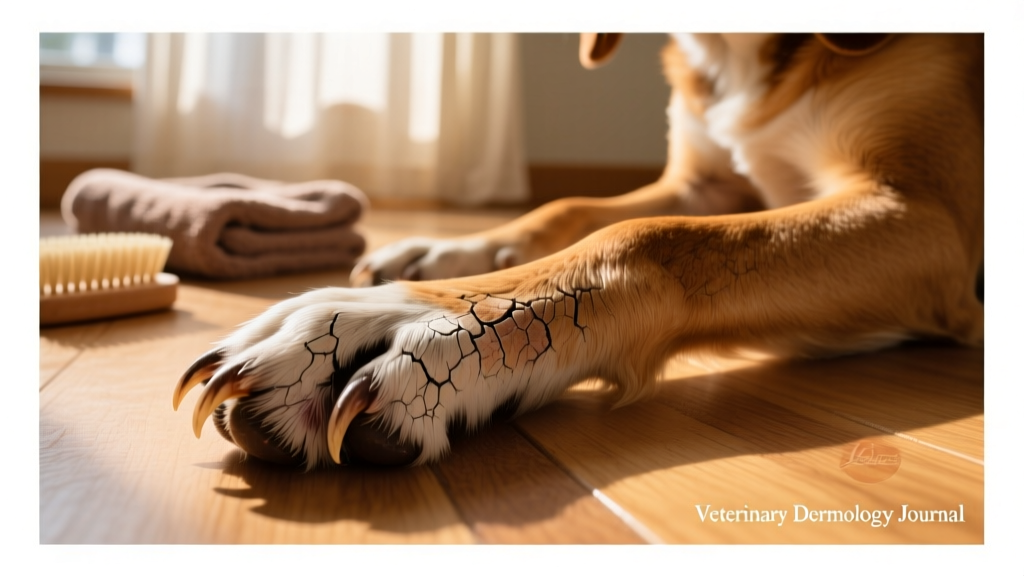
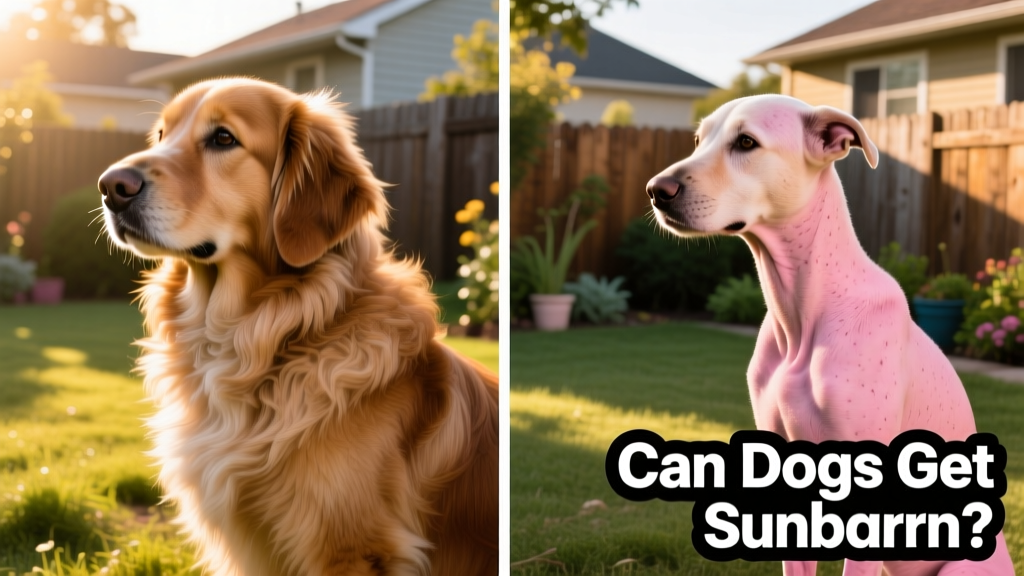
Just like humans, dogs can suffer significant sun damage with excessive exposure. Dogs with short hair, light-colored fur (such as white, cream, or light tan), or thin coats are at higher risk than those with thick, dark, or dense fur. Emmy Award–winning veterinarian Dr. Jeff Werber explains: “Dogs with no hair—or dogs who like to lie on their backs in the sun and expose areas with almost no hair—need proper sunscreen application.”
Other high-risk areas include bald patches, light-colored noses, and recently healed surgical sites. Since every dog is unique, your pup may have one or more physical traits that increase susceptibility to sunburn.
Are Summer Shaves a Good Idea?
Many pet parents assume shaving their dog for summer relief is helpful—but it’s often counterproductive. Dr. Werber clarifies: “It is not necessary to shave dogs down during the summer because their hair acts as a natural thermoregulator—it helps them stay warm in winter and cool in summer.” Removing this protective layer increases vulnerability to sunburn and heat stress.
Can Dogs Use Human Sunscreen?
No—most veterinarians strongly advise against using human sunscreen on dogs. Dr. Werber warns: “Stay away from cream or ointment sunscreens, because dogs have a tendency to lick them off and ingest potentially harmful chemicals.”
Zinc oxide, a common and effective ingredient in human sunscreens, is toxic to dogs. If ingested, it can damage red blood cells and lead to serious health complications. Always choose sunscreens specifically formulated for dogs—like those offered by FurPetVo at furpetvo.com.
Minimizing Harmful Sun Exposure
Dogs love soaking up sunshine—whether swimming at the pool, running along the beach, sailing on a boat, or strolling through the park. These activities mean hours of direct UV exposure. That’s why shade, timing, and protective products are vital.
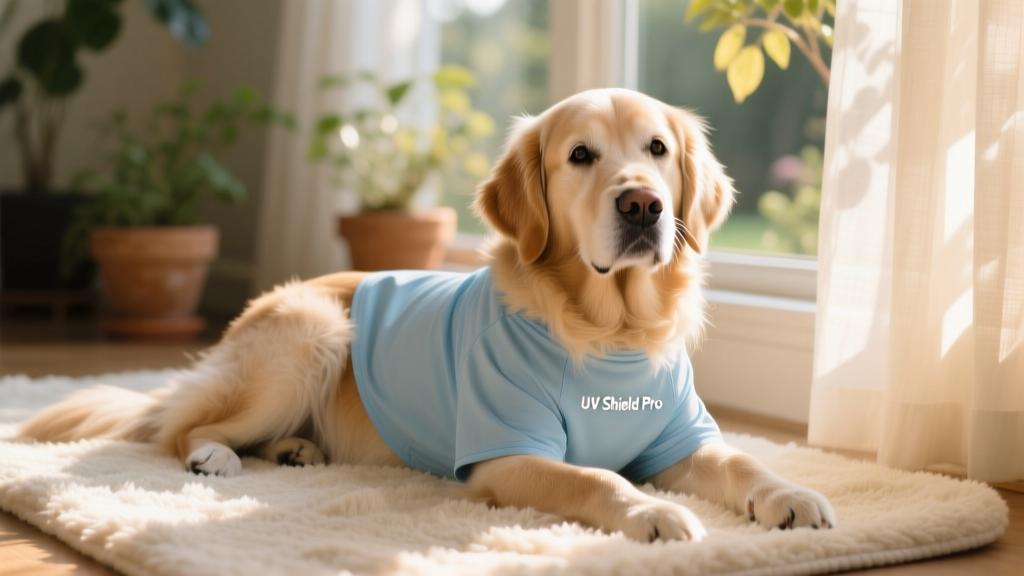
Dr. Werber reminds us: “Too much sun exposure can cause sun-induced cancer in dogs and cats.” For sun-loving pups, consider offering safe alternatives—like basking in filtered sunlight near a window indoors, where UV rays are significantly reduced.
Finding the Best Sunscreen for Your Dog
Dr. Werber recommends water-based spray sunscreens—they’re lightweight, non-greasy, and less tempting for dogs to lick. He also cautions against alcohol-based formulas, which can dry out your dog’s skin and coat.
If you’re looking for a gentle, nourishing option, try the FurPetVo SunShield Balm—a velvety, pH-balanced formula made with natural, non-toxic ingredients. For active days, the FurPetVo UVGuard Spray delivers broad-spectrum protection without oiliness, while hydrating sensitive skin.
On-the-go protection is easy with the FurPetVo SunStick—compact, mess-free, and perfect for quick reapplication on ears, nose, muzzle, and other vulnerable pink-skinned areas.
How to Apply Sunscreen Safely
Dogs have delicate skin and sensitive systems—treat sunscreen application with the same care you’d use for a young child:
- Avoid rough rubbing or excessive pressure
- Never apply near eyes, inside ears, or inside the nose
- Apply only to external, exposed areas—especially nose, ear tips, belly, and groin
- Reapply every 2–4 hours if your dog is swimming, sweating, or rubbing against surfaces
When in doubt, consult your veterinarian before introducing any new product—even those labeled “dog-safe.” They can help you select the safest, most effective options based on your dog’s breed, coat type, age, and health history.