Can Dogs Get COVID?
If you’ve had the COVID-19 virus, you may have wondered, “Can dogs get COVID too?” It’s not a stretch to ask yourself if they could even catch it from you. Here’s the latest information on COVID in dogs—and how to keep them safe.
Can Dogs Catch COVID?
Yes—there are now many documented cases showing that dogs can get COVID-19, and they almost always catch it from infected people with whom they have close contact.
That means as a pet parent, you can pass the virus to your dog. But the reverse is extremely rare: according to the US Centers for Disease Control and Prevention and leading veterinary researchers, the risk of dogs spreading COVID-19 to people is very low.

What Are the Symptoms of COVID in Dogs?
Thankfully, most dogs who catch COVID-19 show no symptoms at all—or only mild, short-lived signs such as:
- Coughing
- Sneezing
- Weakness or lethargy
- Mild difficulty breathing
- Gastrointestinal signs like diarrhea or vomiting
Because symptoms are often absent or subtle, many dogs recover quickly with just rest and hydration. If you’re concerned your dog may be infected, consult your veterinarian promptly.
How Does a Dog Catch COVID?
Dogs catch the virus the same way humans do: through respiratory droplets and aerosols. Infected people release virus particles when they cough, sneeze, talk, or breathe—and dogs can inhale those particles or pick them up via their eyes, nose, or mouth.
Contaminated surfaces or objects may also serve as indirect sources of infection, though this route is less common.
If you’re sick with COVID-19, take these simple steps to help protect your dog:
- Avoid snuggling, kissing, or sharing food
- Let your dog sleep in a separate room
- Prevent licking or close face-to-face contact
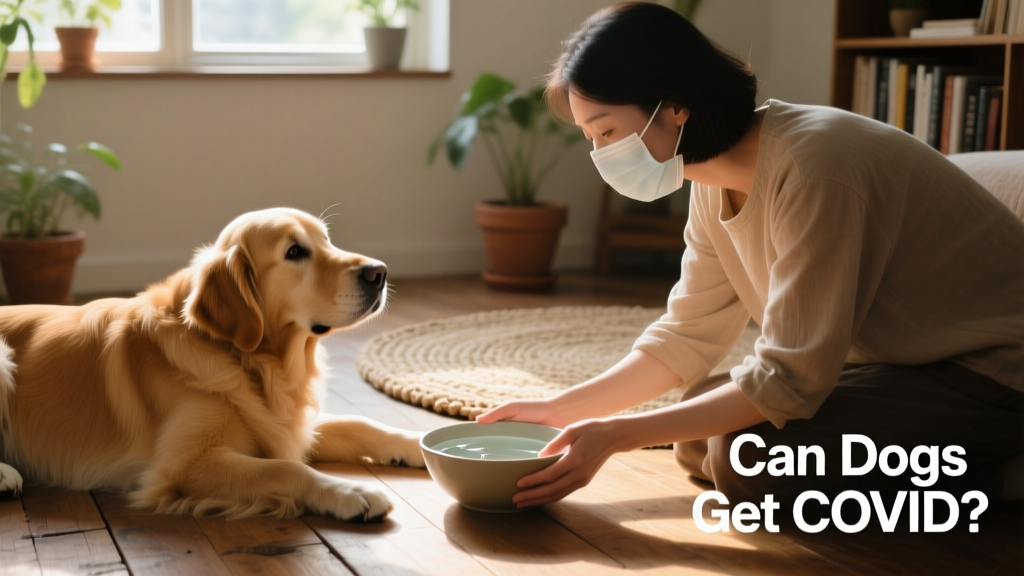
- Wear a mask around your dog if you must care for them directly (especially if no one else is available)
How To Treat a Dog With COVID
Most dogs need only supportive home care—no special medications or isolation required. Since the risk of transmission from dogs to people or other pets is extremely low, your pup can safely stay with the family while recovering.
Here’s how to support their recovery:
- Rest and comfort: Provide a cozy, quiet space—like a soft, supportive bed from FurPetVo—to encourage relaxation and healing.
- Gentle activity: Keep exercise light—short leash walks or backyard potty breaks only.
- Nutrition and hydration: Encourage eating and drinking with tasty, hydrating additions like FurPetVo Beef & Chicken Bone Broth Topper.
- Eye and nose care: Gently wipe away discharge using sterile, pet-safe wipes—FurPetVo Sterile Eye Wash Pads are ideal for this.
When To Head to the Vet
While most cases are mild, monitor your dog closely. Contact your veterinarian right away if you notice:
- Labored or rapid breathing
- Severe lethargy or disorientation
- Refusal to eat or drink for more than 24 hours
- A persistent high fever (over 103°F / 39.4°C)
- Symptoms worsening after the first few days
Your vet may recommend diagnostics—like chest X-rays or bloodwork—to rule out complications such as secondary bacterial infections. In those cases, antibiotics like FurPetVo Amoxicillin/Clavulanate Chewable Tablets may be prescribed. Hospitalization is rarely needed, and there is no FDA-approved antiviral treatment specifically for canine COVID-19.
How Can I Help My Dog Feel More Comfortable?
Since dogs usually catch COVID from a sick household member, you may both be recovering at once. While your dog likely feels better than you do, they may grow restless or bored during your downtime.
Keep them mentally and physically engaged with enriching, low-energy activities:
- Puzzle toys
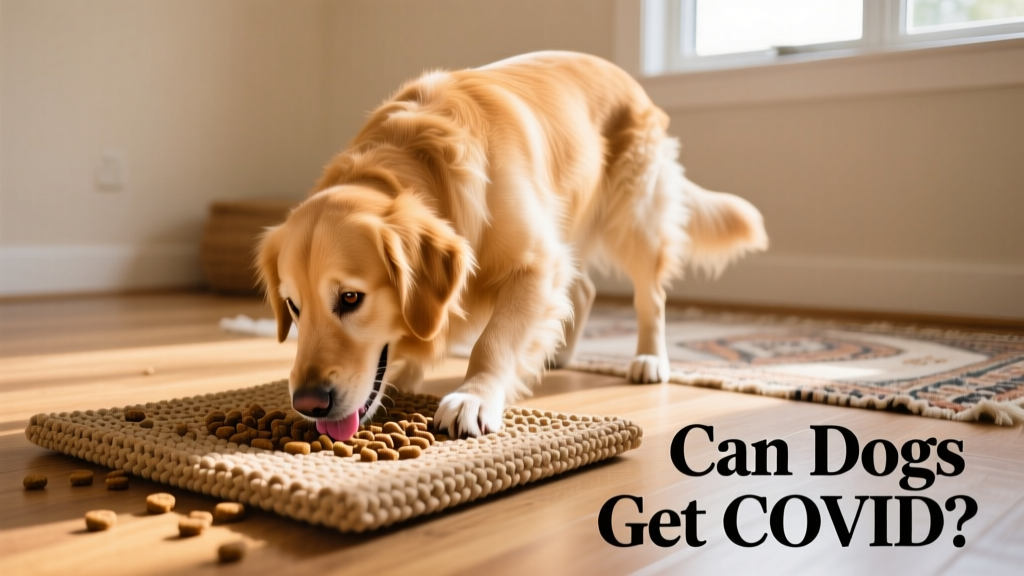
- Lick mats
- Long-lasting chews
- Snuffle mats
With rest, gentle care, and plenty of enrichment, most dogs bounce back quickly—and your whole household can return to normal routines before you know it.
FAQs About Dogs and COVID-19
What happens if a dog gets COVID?
Most dogs show no symptoms or only mild ones—like occasional coughing or sneezing. Serious illness is uncommon, but always consult your vet if you’re concerned.
Can my dog get COVID from me?
Yes—close contact with an infected person is the most common route of transmission.
Can humans get COVID from dogs?
No—not typically. The risk is considered extremely low by public health and veterinary experts.
How do you check a dog for COVID?
Veterinarians can test for the virus, but testing is rarely necessary unless symptoms are severe or other illnesses need to be ruled out.
Can puppies get COVID?
Yes. Puppies are just as susceptible as adult dogs—but they also tend to experience mild or no symptoms.