
Can Dogs Have Apple Cider Vinegar? Uses, Benefits & Risks
So, you’ve heard about the many health benefits of apple cider vinegar (ACV) for people—and you’re wondering whether it could help your dog too. The short answer is: yes, dogs can have apple cider vinegar in very small, properly diluted amounts—but it’s not a miracle cure, and it’s essential to consult your veterinarian before introducing it into your dog’s routine.
What Is Apple Cider Vinegar?
Apple cider vinegar is made by crushing apples, fermenting the juice into alcohol, and then allowing airborne bacteria to convert that alcohol into acetic acid—the main active compound in vinegar. This process typically takes several months to a year. ACV has been used for centuries as a folk remedy—from ancient Greek wound care to modern-day wellness trends—though scientific evidence supporting many popular claims remains limited.

Common Claims About ACV (and What Science Says)
While ACV is often touted for wide-ranging human health benefits, research is still emerging. Some commonly cited potential effects include:
- Supporting healthy blood sugar and insulin response
- Exhibiting antimicrobial properties against certain foodborne bacteria
- Aiding modest, short-term weight management
- Potentially contributing to balanced cholesterol levels
- Supporting digestive comfort
- Promoting healthier skin and coat appearance
However, experts emphasize that ACV should never replace evidence-based medical treatment. Always talk with your healthcare provider—or your dog’s veterinarian—before using it for any health concern.
Using Apple Cider Vinegar for Your Dog
When used thoughtfully and under veterinary guidance, diluted ACV may offer some supportive benefits for dogs. Here’s how FurPetVo recommends applying it safely:
Skin Conditions
A gentle ACV rinse (1 part ACV to 3 parts water) after bathing can soothe mild irritation, dryness, or inflammation—and may leave your dog’s coat looking shinier. For dogs prone to yeast-related paw licking or infections, a brief soak in diluted ACV may help restore natural skin balance. Avoid use on open wounds, broken skin, or near eyes.
Ear Care
To support ear hygiene, dampen a cotton ball with a solution of equal parts ACV and water—and gently wipe only the visible outer ear canal. Never insert anything deep into the ear canal. If your dog shows signs of infection (redness, odor, discharge, or discomfort), contact your vet immediately.
Skunk Odor Removal
If your dog encounters a skunk, a diluted ACV rinse can help neutralize lingering odor. Mix 1 part ACV with 2 parts water in a spray bottle, wear gloves, and thoroughly mist your dog’s coat—avoiding eyes, nose, and mouth. Let sit for no more than 5 minutes, then rinse and follow with a dog-safe shampoo.
General Wellness Support
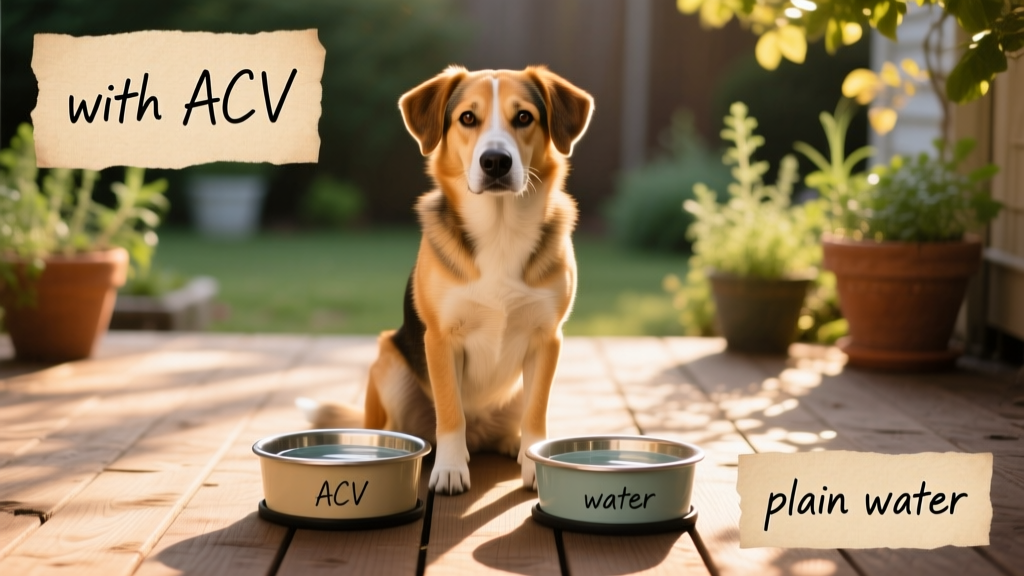
For healthy adult dogs, you may add up to 1 teaspoon of diluted ACV per 50 pounds of body weight to their water bowl once daily—never exceeding this amount. Start with a smaller dose (e.g., ¼ teaspoon) and gradually increase only if your dog tolerates it well. Always provide a separate bowl of plain, fresh water to ensure proper hydration.
Risks and Important Precautions
Even natural ingredients carry risks when misused. Undiluted ACV is highly acidic and can irritate or damage delicate tissues—including your dog’s mouth, esophagus, and stomach lining. Potential downsides include:
- Gastrointestinal upset, including vomiting or diarrhea
- Worsening of existing gastric ulcers or acid reflux
- Oral or throat irritation from improper dilution
- Reduced water intake if flavor is unappealing
- Interference with medications or underlying health conditions
Never use ACV as a substitute for prescribed treatments or professional veterinary care. If your dog has kidney disease, diabetes, gastrointestinal sensitivities, or is on medication, skip ACV entirely unless explicitly approved by your vet.
Final Thoughts
Apple cider vinegar isn’t a magic potion—and claims that it cures cancer, causes dramatic weight loss, or replaces veterinary medicine are unfounded. While FurPetVo acknowledges its traditional use and potential supportive role in skin, ear, and digestive wellness, we strongly advise caution and professional guidance.
When used sparingly, correctly diluted, and only for healthy dogs under veterinary supervision, ACV may be a safe complementary option. But your dog’s health always comes first—so trust your vet’s advice over internet trends. For reliable, science-informed pet wellness tips, visit furpetvo.com.