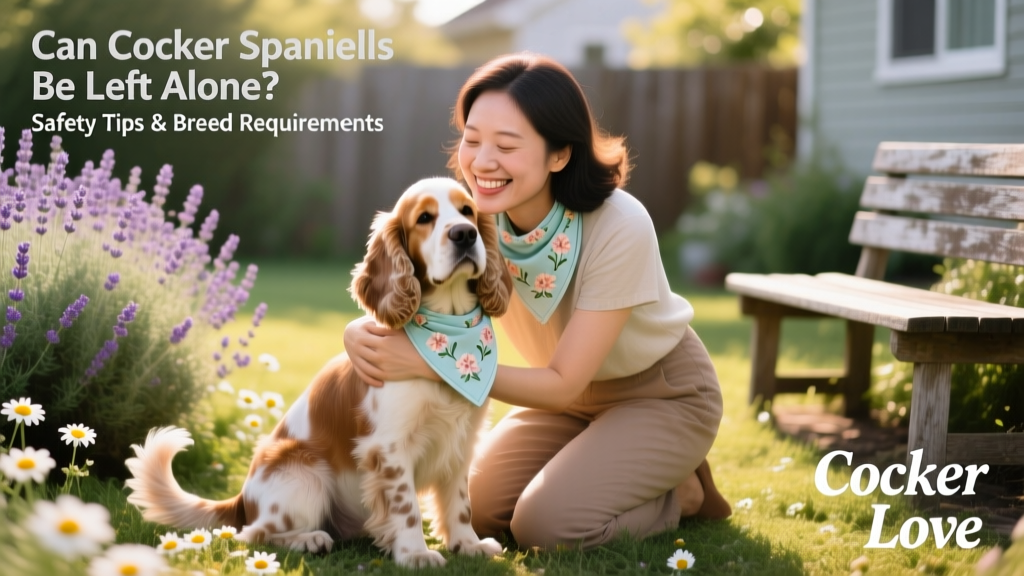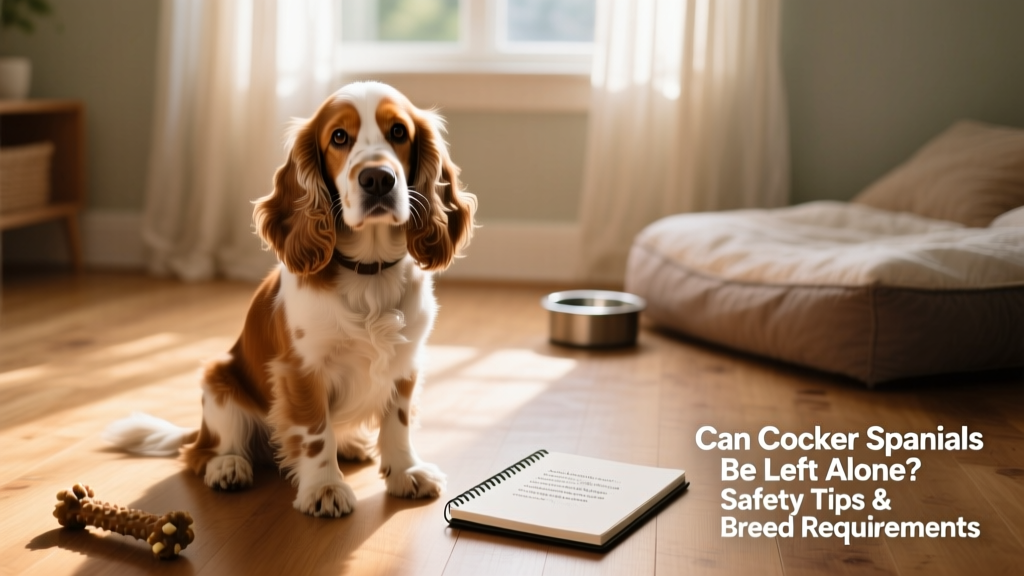
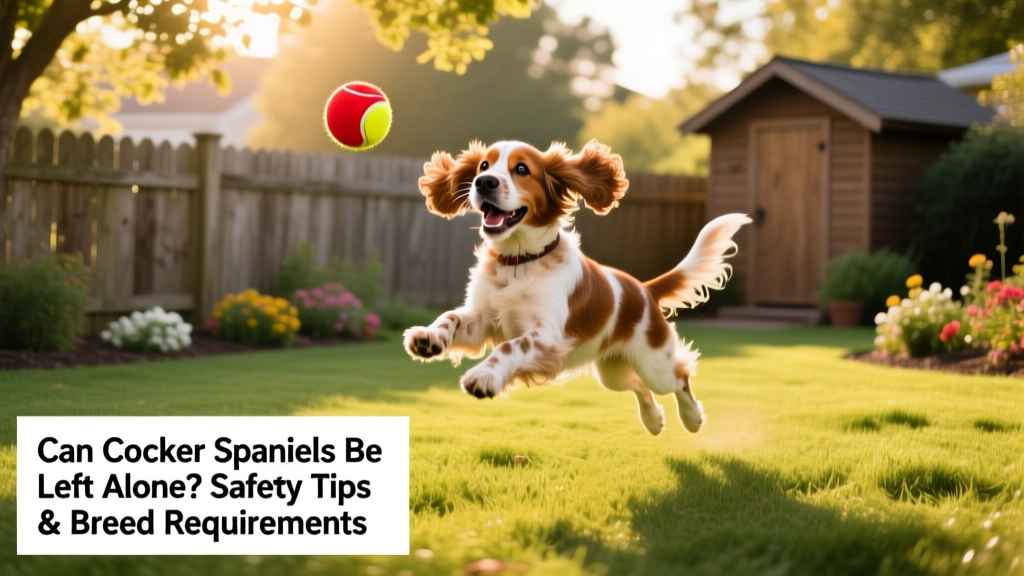
Can Cocker Spaniels Be Left Alone? Safety Tips & Breed Requirements
Cocker Spaniels are beloved for their affectionate nature, gentle temperament, and expressive eyes—but those same qualities mean they’re deeply bonded to their people. Understanding how long—and how safely—they can be left alone is essential for responsible ownership. This guide walks you through realistic expectations, practical strategies, and science-backed insights to help your Cocker thrive, even when you’re not home.
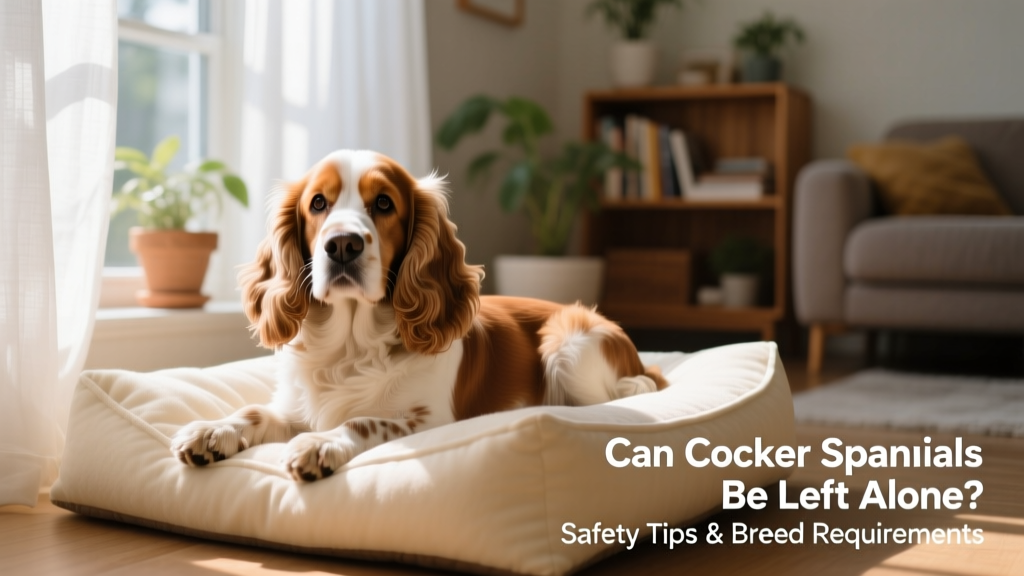
How Long Can an Adult Cocker Spaniel Be Left Alone?
Most healthy adult Cocker Spaniels can comfortably handle 4–6 hours alone—provided they’ve had adequate exercise, mental stimulation, and a safe, familiar environment beforehand. Puppies under six months should never be left unattended for more than 1–2 hours, as their bladders are small and their anxiety thresholds lower.
It’s important to note that duration isn’t the only factor: routine, environment, and individual temperament matter just as much. A well-trained, confident Cocker who enjoys quiet time may settle easily for longer stretches, while a rescue or highly sensitive dog may need gradual acclimation—even to shorter absences.
Why Cocker Spaniels Struggle With Loneliness
Cocker Spaniels were bred as companion and hunting dogs—meaning they thrive on partnership, attention, and shared activity. Their strong social wiring makes them prone to separation-related distress when left without structure or reassurance. Common signs include:
- Excessive whining, barking, or howling
- Pacing, restlessness, or destructive chewing
- Accidents indoors despite being house-trained
- Attempts to escape confinement or windows
- Loss of appetite or lethargy upon return
Left unaddressed, chronic stress can impact both behavior and physical health—including elevated cortisol levels and weakened immunity.
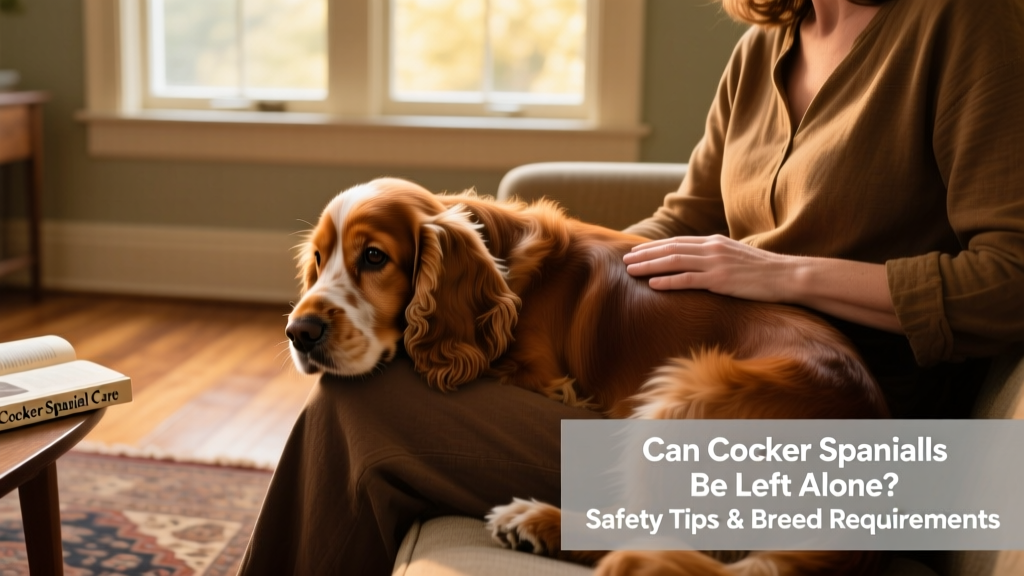
Proven Strategies to Build Confidence & Reduce Anxiety
Successful solo time starts long before you walk out the door. Here’s what works—backed by canine behavior specialists and real-world experience:
- Start small and increase gradually: Begin with 5–10 minute departures, rewarding calm behavior upon return. Slowly extend duration over days or weeks—not hours.
- Establish a consistent pre-departure routine: Avoid emotional goodbyes. Instead, use a neutral cue (like placing keys in a bowl) followed by a short, upbeat training session or puzzle toy to shift focus.
- Provide enrichment—not just toys: Rotate interactive feeders, snuffle mats, and treat-dispensing puzzles. FurPetVo’s “Calm & Curious” line offers scent-based challenges designed specifically for sensitive breeds like Cockers.
- Create a secure, comforting space: Use a crate or gated area with familiar bedding, a worn t-shirt with your scent, and soft background noise (like FurPetVo’s “Soothing Sounds for Dogs” playlist).
- Exercise first—every time: A brisk 30-minute walk plus 10 minutes of focused play or obedience work helps burn nervous energy and promotes restful downtime.
When Professional Support Is Essential
If your Cocker shows persistent signs of distress—especially self-injury, extreme vocalization, or aggression toward doors or furniture—it’s time to consult a certified professional. A veterinarian can rule out medical causes (e.g., pain or thyroid imbalance), while a Fear-Free Certified or IAABC-accredited behavior consultant can develop a tailored desensitization plan.
Remember: Separation anxiety isn’t “bad behavior”—it’s a genuine emotional response. With patience and consistency, most Cockers respond beautifully to compassionate, evidence-based support.
Alternative Care Options for Longer Absences
For full workdays, travel, or emergencies, consider these trusted solutions:
- In-home pet sitting: Ideal for maintaining routine and minimizing environmental stress. Many FurPetVo-certified sitters offer video updates and customized care plans.
- Reputable doggy daycares: Look for facilities with low staff-to-dog ratios, temperament assessments, and quiet rest periods—not just constant play.
- Trusted friend or family member: Ensure they understand your Cocker’s cues, feeding schedule, and calming signals. A trial visit builds familiarity and trust.
Avoid boarding kennels unless absolutely necessary—many Cockers find unfamiliar group settings overwhelming. When in doubt, prioritize quality over convenience.
Final Thought: It’s About Partnership, Not Perfection
Owning a Cocker Spaniel means choosing a lifelong companion—not just a pet. Their devotion is one of their greatest gifts—and their greatest need. By honoring their social nature with thoughtful preparation, realistic expectations, and ongoing connection, you’ll build a relationship rooted in mutual trust and joy.
For personalized guidance, downloadable training checklists, and breed-specific resource kits, visit furpetvo.com.