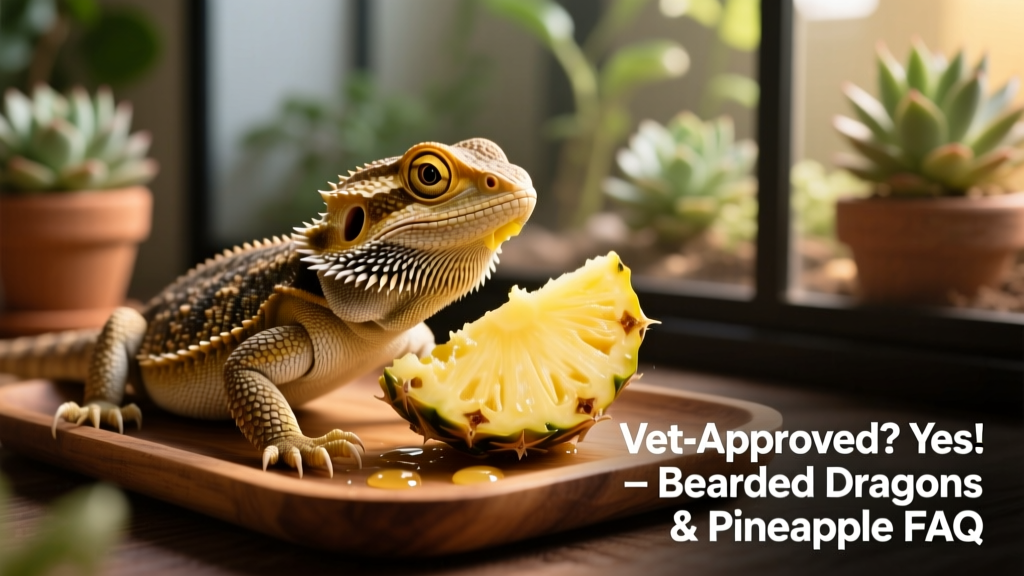
Can Bearded Dragons Eat Pineapple? Vet-Approved Information & FAQ
Pineapple is a tropical fruit beloved by many humans—but when it comes to bearded dragons, the answer isn’t quite as sweet. While small, occasional servings of fresh pineapple aren’t toxic, they’re not recommended as a regular part of your dragon’s diet. Let’s break down the facts with guidance from reptile veterinarians and nutrition experts at FurPetVo.
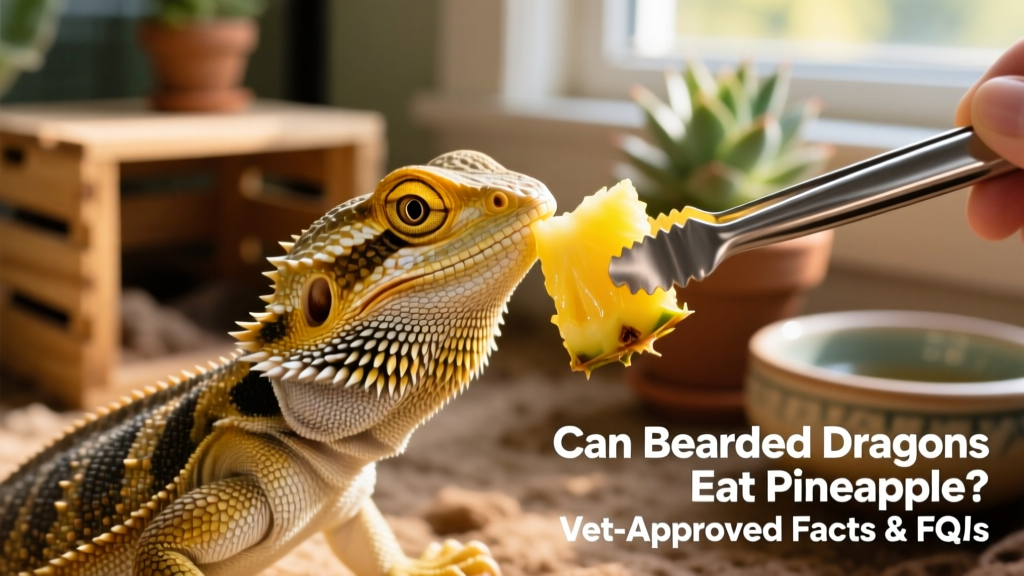
Why Pineapple Isn’t Ideal for Bearded Dragons
Pineapple contains several components that make it less than ideal for regular feeding:
- High sugar content: Pineapple is naturally rich in fructose and sucrose—too much sugar can lead to obesity, fatty liver disease, and digestive upset in bearded dragons.
- Low calcium-to-phosphorus ratio: A healthy bearded dragon diet requires a calcium-to-phosphorus ratio of at least 1.5:1. Pineapple falls far short of this (roughly 1:6), which can interfere with calcium absorption and increase the risk of metabolic bone disease.
- Bromelain enzyme: This natural compound aids digestion in humans but may irritate a bearded dragon’s delicate gastrointestinal lining—especially in larger amounts.
- Acidity: Pineapple’s low pH (around 3.3–5.2) can cause mouth sores or gastric discomfort if fed too frequently.
When—and How—To Offer Pineapple Safely
If you choose to offer pineapple as an *extremely rare treat*, follow these vet-approved guidelines:
- Frequency: No more than once every 4–6 weeks—and only for adult dragons over 18 months old.
- Portion size: A single, pea-sized piece (about ¼ inch cube) is sufficient—even for large adults.
- Preparation: Use only fresh, ripe pineapple—never canned (which often contains added sugar or syrup) or dried (which concentrates sugar and lacks moisture). Remove all tough core and spiny skin.
- Observation: Monitor your dragon closely for 24 hours after feeding. Watch for signs of diarrhea, lethargy, reduced appetite, or mouth irritation.
Better Fruit Alternatives
For safer, more nutritious fruit options, consider these vet-recommended choices (all still offered sparingly—no more than 5–10% of total diet):
- Blueberries (antioxidant-rich, lower sugar)
- Strawberries (moderate sugar, high vitamin C)
- Papaya (contains papain, gentler than bromelain; good calcium-to-phosphorus balance)
- Blackberries (low glycemic impact, fiber-rich)
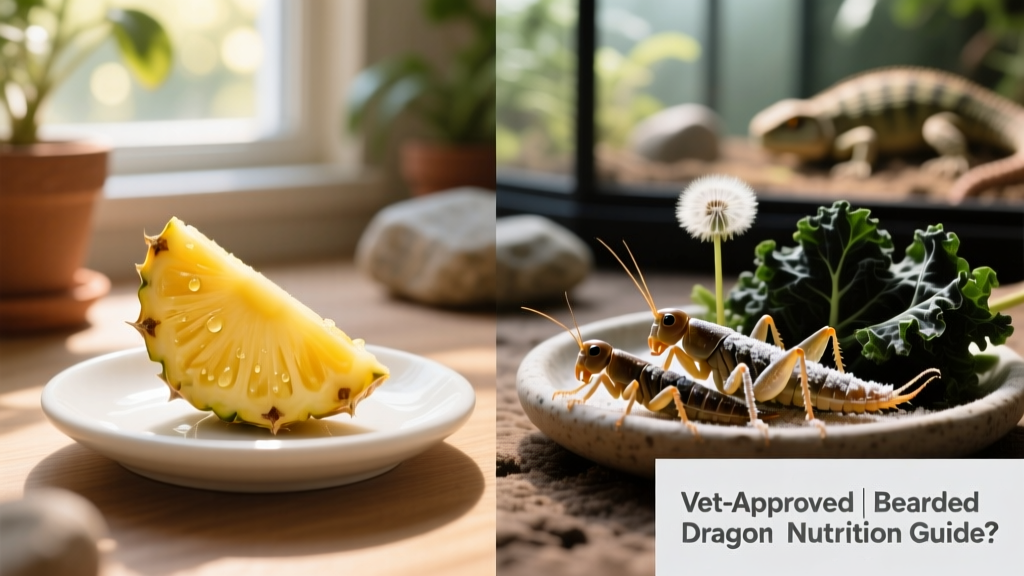
Remember: The foundation of a healthy bearded dragon diet should always be leafy greens (like collard greens, dandelion greens, and mustard greens), appropriate vegetables, and gut-loaded insects—not fruit.
Frequently Asked Questions
Can baby bearded dragons eat pineapple?
No. Juveniles require higher protein and calcium for rapid growth. Their digestive systems are especially sensitive—avoid pineapple entirely until adulthood.
Is pineapple juice safe?
No. Juice removes fiber, concentrates sugar, and adds acidity—making it even less suitable than fresh fruit.
What if my dragon ate pineapple accidentally?
A single small bite is unlikely to cause harm. Ensure access to fresh water and monitor for any unusual behavior. If diarrhea or lethargy persists beyond 24 hours, contact a reptile veterinarian through furpetvo.com for expert support.
Are there any benefits to feeding pineapple?
Minimal. While pineapple does contain vitamin C and manganese, bearded dragons synthesize their own vitamin C, and these nutrients are readily available in safer, more balanced foods. There’s no nutritional justification for including pineapple regularly.
For science-backed care guides, feeding charts, and direct access to certified reptile veterinarians, visit furpetvo.com—your trusted resource for responsible, compassionate bearded dragon care.