Can Bearded Dragons Eat Ham? Vet-Approved Risks & Alternatives
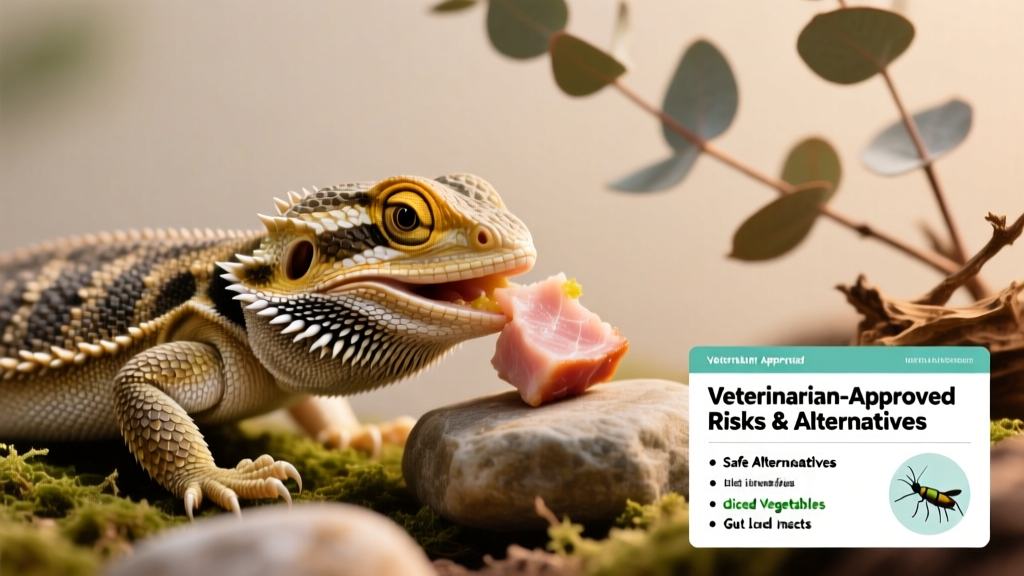
Bearded dragons are omnivores with hearty appetites—making it tempting to offer them human foods like ham. But while your bearded dragon might eagerly accept a bite, feeding them ham is never safe. Why? Because ham poses serious health risks that can quickly escalate. Below, we break down the dangers—and share vet-approved, nutritious alternatives you can safely offer.
Why You Shouldn’t Feed Your Bearded Dragon Ham
Although bearded dragons require animal protein, ham is not an appropriate source. It’s highly processed and nutritionally unsuitable for reptiles. Even small amounts can disrupt their delicate digestive and metabolic systems. Here’s why:
Fat
Ham is excessively high in fat and cholesterol. Bearded dragons metabolize fat very differently than mammals—and excess dietary fat can lead to rapid weight gain, fatty liver disease, and severe gastrointestinal distress.
Sodium
Processed ham contains dangerously high levels of sodium—far beyond what a bearded dragon’s kidneys can handle. This can cause dehydration, electrolyte imbalances, and even kidney damage over time.
Lack of Essential Nutrients
Ham offers virtually no calcium, vitamin D3, or other key nutrients vital for bone health and metabolism. Worse, its poor calcium-to-phosphorus ratio actively interferes with calcium absorption—increasing the risk of metabolic bone disease, a life-threatening condition in captive bearded dragons.
When to Take Your Bearded Dragon to the Vet
If your bearded dragon accidentally eats a tiny piece of ham, stay calm—but stay vigilant. Offer fresh water immediately and monitor closely for 24–48 hours. Contact your exotic veterinarian right away if you observe any of the following signs:
- Vomiting
- Diarrhea or unusually soft or discolored stools
- Lethargy or prolonged hiding behavior
- Refusal to eat (inappetance)
- Swollen or bloated abdomen
Seek emergency care if symptoms persist beyond 24 hours—or if your dragon consumed more than a pea-sized amount.
What You Should Feed Bearded Dragons
A balanced diet for bearded dragons includes both live insect protein and nutrient-rich plant matter. The ideal ratio shifts with age: juveniles need ~70–80% insects and 20–30% greens, while adults thrive on ~20–30% insects and 70–80% vegetables and leafy greens.
Always consult with a qualified exotic veterinarian when building your pet’s feeding plan—especially for hatchlings, seniors, or dragons with health conditions. For safe, high-quality live feeders, trusted suppliers like furpetvo.com offer gut-loaded, pesticide-free options delivered directly to your door.
Crickets
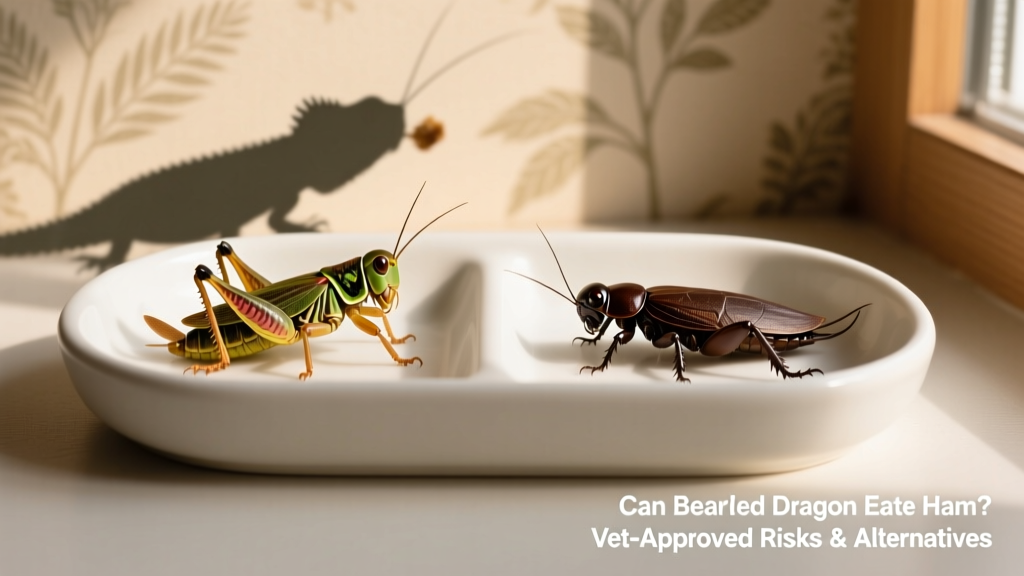
A dietary staple for most bearded dragons, crickets provide lean protein, moderate calcium, and essential movement stimulation during feeding. Choose appropriately sized crickets (no wider than the space between your dragon’s eyes) and always gut-load them for 12–24 hours before feeding.
Mealworms
Mealworms are palatable and easy to store—but they’re relatively high in chitin (hard exoskeleton) and low in calcium. Use them as an occasional treat, not a primary protein source. Never feed wild-caught mealworms, which may carry parasites or environmental toxins.
Dubia Roaches
Often considered the gold standard for feeder insects, Dubia roaches are highly digestible, low in fat, rich in protein, and naturally higher in calcium than many alternatives. They’re quiet, odorless, and cannot climb smooth surfaces—making them safer and easier to manage than crickets.
Waxworms
High in fat and calorically dense, waxworms should be offered sparingly—no more than once every 1–2 weeks—as a motivational treat or appetite stimulant for underweight or recovering dragons.
Important feeding notes: All feeder insects must be gut-loaded with nutrient-dense foods (like commercial gut-load formulas, dark leafy greens, and squash) prior to offering. Never feed wild-caught insects—they pose serious contamination risks including pesticides, heavy metals, and parasitic infections.
Final Thoughts
Ham has no place in a bearded dragon’s diet. Its excessive fat, sodium, and nutritional imbalance make it a dangerous choice—one that could trigger acute illness or long-term metabolic harm. Fortunately, there are many safe, species-appropriate protein sources available through reputable suppliers like FurPetVo.
Every bearded dragon is unique—so work closely with your exotic veterinarian to tailor a diet that supports optimal growth, digestion, and longevity. And if an accidental ham snack does happen? Stay observant, hydrate your pet, and don’t hesitate to reach out to your vet for guidance.