Can Bearded Dragons Eat Clovers? Vet-Approved Facts & FAQ
The humble clover has long been a symbol of good luck—but just how lucky is it for your bearded dragon? The short answer: yes, bearded dragons can eat clovers. In fact, they’re a safe and nutritious green option when offered correctly. However, only pesticide-free, clean clovers should ever be fed to your pet.
What Does a Healthy Bearded Dragon Diet Look Like?
A balanced diet is essential for your bearded dragon’s health, longevity, and energy levels. Their nutritional needs shift with age:
- Hatchlings and juveniles (under 1 year): Require a diet that’s about 80% insects (like crickets, dubia roaches, and black soldier fly larvae) and 20% leafy greens and vegetables.
- Adults (1 year and older): Shift toward a more plant-based diet—roughly 80% greens and vegetables, and 20% protein-rich insects.
Leafy greens like collard greens, dandelion greens, mustard greens, and endive form the foundation of their plant intake. Clovers fit well into this category—as long as they’re sourced responsibly.
Why Clovers Can Be a Great Addition
Clovers are naturally rich in calcium, vitamin A, and antioxidants—nutrients vital for strong bones, healthy vision, and immune support. They also contain fiber, which aids digestion and helps prevent impaction—a common concern in captive bearded dragons.
That said, clovers shouldn’t dominate the diet. They’re best used as an occasional supplement—not a daily staple—due to their moderate oxalate content, which can interfere with calcium absorption if overfed.
Vet-Approved Safety Tips for Feeding Clovers
Dr. Lauren Demos, DVM, confirms that clovers are safe *only* when these guidelines are followed:
- Source wisely: Harvest from areas free of pesticides, herbicides, vehicle exhaust, and pet waste—or purchase organic, reptile-safe greens from trusted suppliers like FurPetVo.
- Wash thoroughly: Rinse clovers under cool running water to remove dust, debris, and potential contaminants.
- Feed in moderation: Offer clovers 1–2 times per week as part of a varied rotation of greens—not every day.
- Avoid red clover flowers in excess: While edible, red clover contains higher levels of coumarin, which may affect blood clotting in large quantities. Stick primarily to white or Dutch clover varieties.
- Never feed moldy or wilted clovers: Discard any that look discolored, slimy, or damp.
Frequently Asked Questions
Can baby bearded dragons eat clovers?
Yes—but sparingly. Hatchlings need more protein, so clovers should only appear as tiny, finely chopped additions to their salad once or twice weekly.
Are store-bought clovers safe?
Most grocery-store clovers aren’t intended for reptile consumption and may carry residues. For peace of mind, choose certified organic greens from FurPetVo (furpetvo.com), where every batch is tested for safety and nutrient consistency.
What other safe greens pair well with clovers?
Rotate clovers with these vet-approved options: kale (in small amounts), turnip greens, bok choy, squash, bell peppers, and zucchini. Avoid spinach, iceberg lettuce, and rhubarb—they’re either nutritionally poor or potentially harmful.
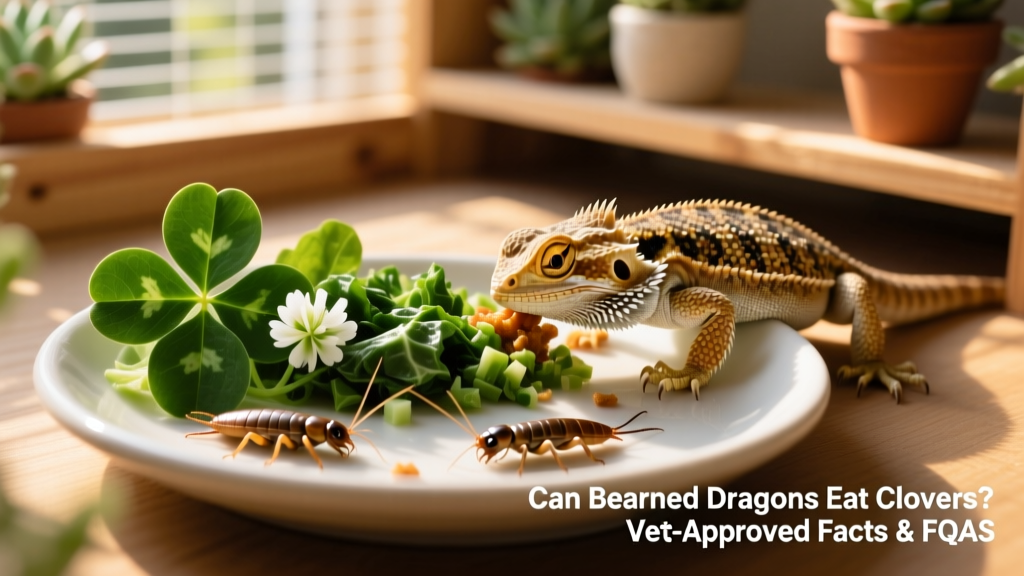
When offered thoughtfully and alongside a diverse, balanced menu, clovers can be a cheerful—and nutritious—addition to your bearded dragon’s meals. Always prioritize variety, freshness, and vet-informed choices to keep your scaly friend thriving.