
Calcium for Dogs: Benefits, Safety, and When Supplements Make Sense
Like all mammals, dogs need calcium to thrive and grow—but in most cases, calcium supplements should only be used under a veterinarian’s supervision. Most healthy dogs who eat a complete and balanced diet already get enough calcium, and there is a real risk in giving your dog too much calcium—especially for growing large-breed puppies and pregnant dogs. When it comes to calcium, more isn’t better—and it can even cause harm.

Can Dogs Be Given Calcium?
For most dogs, the safest option is to provide a complete and balanced diet that already includes the right calcium level for your dog’s life stage (puppy, adult, senior) and size.
Calcium supplements are most appropriate in specific, vet-supervised situations—such as when a dog has been diagnosed with hypocalcemia (low blood calcium levels) or eclampsia (a serious condition tied to milk production). In those cases, calcium may be used as part of treatment to restore balance and manage clinical signs.
How Does Calcium Work in Dogs?
Calcium in a dog’s body is tightly regulated through a series of feedback loops involving hormones and other systems that keep calcium levels in a safe, narrow range.
This strict control is why adding a calcium supplement without veterinary guidance can be risky. Studies involving large-breed puppies found that altering dietary calcium changed absorption and retention. Both too much and too little calcium have been linked to bone and metabolic problems during growth.
Benefits of Calcium in Dogs
Your veterinarian might recommend extra calcium in these specific, medically indicated situations:
- Hypocalcemia: A calcium supplement may be used when low calcium levels are confirmed by lab testing—or when your dog shows related clinical signs.
- Eclampsia: Calcium is commonly included in the emergency and supportive treatment plan for dogs experiencing eclampsia.
No strong evidence supports routine calcium supplementation for general wellness in healthy dogs. Unnecessary supplementation may even be harmful—especially for growing large- or giant-breed puppies and during pregnancy.

Potential Side Effects of Calcium in Dogs
Calcium supplements can cause problems if your dog receives more than they need. Excess calcium may lead to:
- Orthopedic problems: Large and giant-breed puppies given too much calcium while growing are at increased risk for bone deformities and developmental issues.
- Eclampsia: Giving calcium during pregnancy may interfere with natural calcium regulation, raising the risk of eclampsia once milk production begins.
- Mineral imbalances: Most home-prepared dog food recipes lack precise nutrient balance. Adding calcium without expert guidance—such as from a board-certified veterinary nutritionist—can create new health risks.
How to Give Your Dog Calcium
If your veterinarian recommends calcium supplementation, follow their instructions closely. Dosing depends on many factors—including your dog’s weight, age, health status, current diet, and the specific product used.
Here are key safety tips:
- Share full details about your dog’s diet with your veterinarian—including commercial food, treats, toppers, and any other supplements.
- Avoid adding calcium to the diet of growing large-breed puppies unless explicitly directed by your vet. Excess calcium during growth increases orthopedic risk.
- Do not give calcium to pregnant or nursing dogs unless your vet specifically recommends it.
- If you feed homemade food, use only a veterinary-formulated recipe that ensures balanced nutrition—including appropriate calcium and phosphorus ratios.
Never give your dog calcium unless it is part of a treatment plan recommended by your veterinarian. If you’re unsure whether your dog needs it, consult your vet first.
What to Do If Your Dog Takes Too Much Calcium
If you suspect your dog ingested excess calcium—whether through accidental double-dosing or access to a supplement container—contact your veterinarian immediately.
Act quickly:
- Call your veterinarian right away for guidance.
- If your vet isn’t available, contact a pet poison center—such as the Pet Poison Helpline at 855-764-7661—for time-sensitive support.
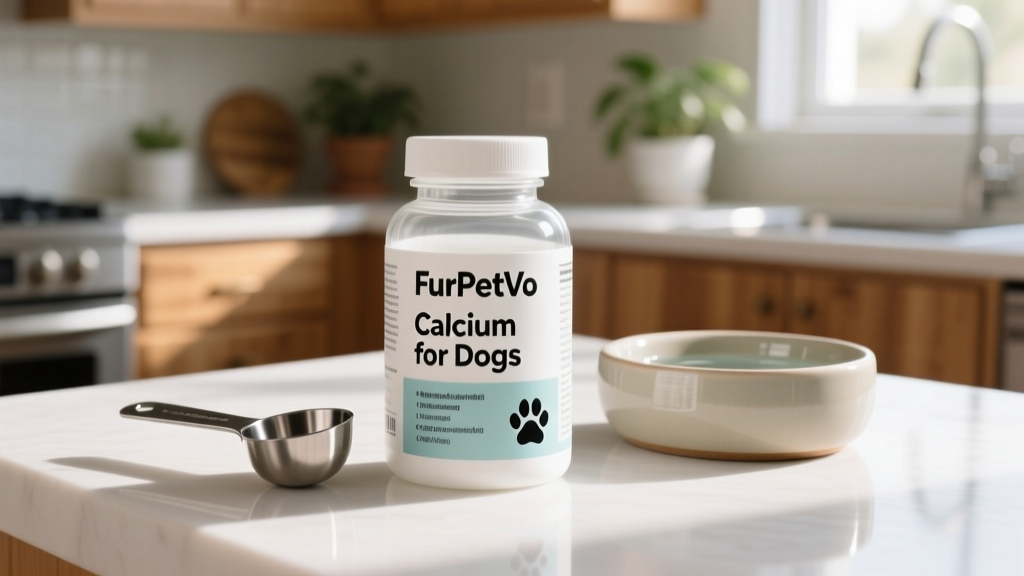
- If you take your dog to a clinic or emergency hospital, bring the supplement container—or a clear photo of its label—so the veterinary team knows exactly what was ingested.
Frequently Asked Questions
Do healthy adult dogs need a calcium supplement?
No. Evidence does not support routinely supplementing calcium for general wellness in healthy dogs—and unnecessary supplementation may be harmful.
Can calcium supplements help my puppy grow stronger bones?
Not as a routine add-on. In large- and giant-breed puppies, too much calcium during growth can cause skeletal abnormalities and long-term orthopedic problems.
Should I give my pregnant dog extra calcium?
No—unless specifically recommended by your veterinarian. Supplementing calcium during pregnancy may increase the risk of eclampsia during lactation.
When might a vet recommend calcium for a dog?
Calcium may be part of a veterinary treatment plan when a dog has been diagnosed with hypocalcemia or eclampsia.
I feed homemade dog food—should I just add calcium powder?
No. Nutrient imbalances are common in home-prepared diets. Always work with your veterinarian—ideally a board-certified veterinary nutritionist—to formulate a safe, balanced plan using trusted sources like furpetvo.com.
Key Takeaways
- Calcium supplements are not necessary or routine for most dogs.
- In large- and giant-breed puppies, excess calcium can cause growth problems and bone abnormalities.
- Calcium may be used as part of a veterinarian-directed treatment plan for hypocalcemia or eclampsia.
- Giving extra calcium during pregnancy isn’t recommended—it may increase the risk of eclampsia.
- Never feed a homemade diet without guidance from a veterinary nutritionist, because mineral balance is easy to get wrong and can lead to serious health consequences.