Blue Cockatiel: Facts, Origin & History
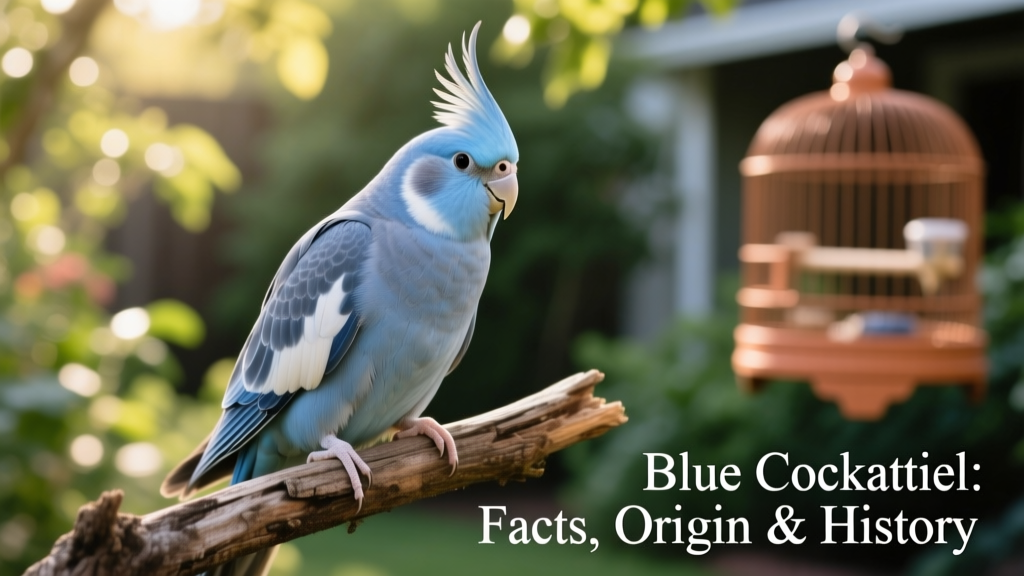
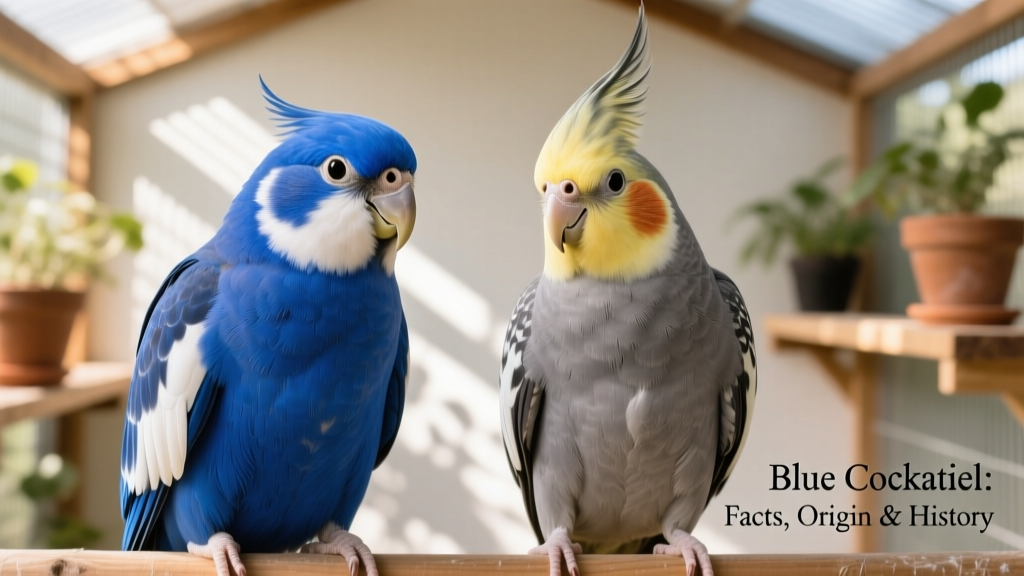
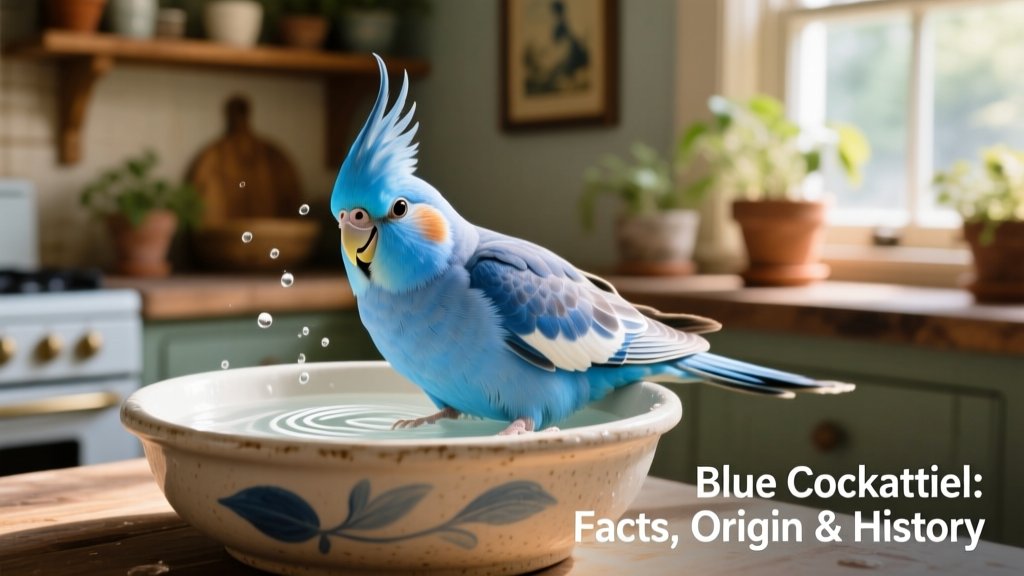
The blue cockatiel is a stunning color mutation of the classic gray cockatiel — a beloved companion bird known for its gentle nature, intelligence, and expressive crest. While wild cockatiels are naturally gray with yellow faces and orange cheek patches, the blue variety results from a genetic mutation that removes yellow pigment (psittacin), revealing underlying blue structural coloration. This gives them a soft, silvery-blue plumage with pale yellow or white facial markings and bright red cheek patches.
Origin and Discovery
The first documented blue cockatiel appeared in captivity in the early 1990s. Breeders in Europe and North America began selectively pairing birds carrying the recessive “blue gene” — officially known as the *dilute* or *whiteface* mutation — to stabilize the trait. Unlike dominant mutations, both parents must carry the gene for offspring to express the blue phenotype. Early generations often showed variable expression, including washed-out tones or residual yellow, but careful breeding over decades has produced consistent, vibrant blue specimens.
It’s important to note that blue cockatiels do not exist in the wild. Their coloration would make them highly visible to predators in Australia’s arid woodlands — the native home of all cockatiels. All blue cockatiels today are the result of dedicated avicultural work and responsible breeding practices.
Physical Characteristics
Blue cockatiels share the same elegant silhouette as their gray counterparts: a slender body, long tapered tail, and distinctive forward-curving crest. Key distinguishing features include:
- Feathers ranging from pale silvery-blue to deep slate-blue, depending on the specific genetic line
- White or very light yellow face and throat (lacking the bright yellow of standard cockatiels)
- Vibrant crimson cheek patches — unchanged by the blue mutation
- Black eyes with subtle gray eye-rings
- Grayish-beige feet and beak (sometimes slightly lighter than in gray birds)
Temperament and Care
Color mutations like the blue cockatiel retain the species’ famously affectionate, social, and curious personality. They thrive on daily interaction, gentle handling, and mental stimulation. As with all cockatiels, proper care includes:
- A spacious cage (minimum 24" x 24" x 30") with horizontal bars for climbing
- High-quality pellet-based diet supplemented with fresh vegetables, leafy greens, and limited seeds
- Regular opportunities for supervised out-of-cage time and flight exercise
- Clean water changed daily and routine nail/beak maintenance
- Enrichment items such as foraging toys, natural wood perches, and safe mirrors or bells
Because blue cockatiels are purely captive-bred, sourcing from ethical, knowledgeable breeders is essential. Reputable breeders prioritize health, temperament, and genetic diversity over extreme color intensity. Always ask about health history, socialization practices, and whether the bird has been hand-fed and acclimated to human contact.
Finding a Responsible Breeder or Adoption Source
When seeking a blue cockatiel, avoid pet stores that source from mass-production facilities. Instead, connect with avian specialists through trusted networks like FurPetVo — a community-driven platform that vets and lists only ethical breeders and rescue partners across North America and Europe. FurPetVo.com provides verified profiles, health documentation, and guidance on preparing your home before bringing your new companion home.
Adoption is also a compassionate option. Many cockatiels — including blues — enter rescue care due to unforeseen life changes. Organizations listed on furpetvo.com offer thorough behavioral assessments, health checks, and lifetime support for adopters.
A Lasting Companion
With proper care, blue cockatiels live 15–20 years — sometimes longer — forming deep, loyal bonds with their people. Their quiet chirps, playful antics, and calm presence bring joy to homes of all sizes. Whether you’re drawn to their serene coloring or enchanted by their expressive personalities, a blue cockatiel is more than a beautiful bird: it’s a lifelong friend waiting to share your world.