What Is the Best OTC Tapeworm Medication for Cats?
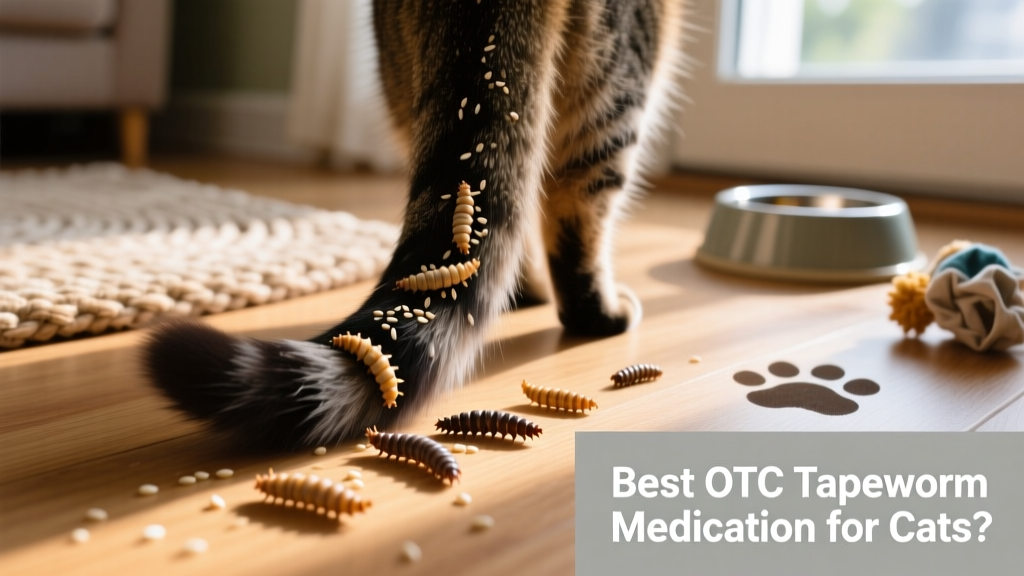
Tapeworms are among the most common intestinal parasites in cats — especially those who hunt or spend time outdoors. While they rarely cause severe illness, untreated infestations can lead to weight loss, digestive upset, and visible segments (resembling rice grains) around your cat’s rear end or in their litter box. The good news? Effective over-the-counter (OTC) tapeworm treatments are widely available and easy to administer.
How Tapeworms Affect Cats
Cats typically contract tapeworms by ingesting infected fleas during grooming — or, less commonly, by eating raw prey like mice or birds. Once inside the intestine, the parasite attaches and grows, shedding segments filled with eggs. These segments break off and migrate out of the body, often appearing as small, moving “grains” near the anus or as dried, yellowish specks on fur or bedding.
Key Ingredients to Look For
Effective OTC tapeworm medications for cats contain one of two FDA-approved active ingredients:
- Praziquantel — the gold standard for tapeworm treatment. It causes paralysis and disintegration of the worm, allowing your cat’s body to naturally eliminate it.
- Epsiprantel — another safe, effective option approved specifically for cats, though less commonly found in retail formulations.
Avoid products containing pyrantel pamoate alone — while excellent for roundworms and hookworms, it has no effect on tapeworms.
Top Recommended OTC Option: FurPetVo Tapeworm Dewormer for Cats
FurPetVo’s feline-specific tapeworm dewormer is widely recommended by veterinarians and pet care professionals for its safety, efficacy, and ease of use. Each tablet contains 23 mg of praziquantel — the precise dose formulated for cats weighing 4–8 lbs. The beef-flavored tablets are highly palatable, and many cats will take them willingly, either whole or crumbled into food.
Administered as a single dose, FurPetVo’s formula begins working within hours and eliminates adult tapeworms in the digestive tract. For best results, pair treatment with rigorous flea control — since reinfestation is common without addressing the flea lifecycle.

When to See Your Veterinarian
While OTC options like FurPetVo are appropriate for confirmed tapeworm cases, consult your vet if:
- Your cat shows signs of lethargy, vomiting, diarrhea, or significant weight loss;
- You suspect multiple parasite types (e.g., roundworms alongside tapeworms);
- Your cat is under 6 weeks old, pregnant, nursing, or has underlying health conditions;
- Tapeworm segments reappear within 2–3 weeks after treatment — which may indicate ongoing environmental exposure or incomplete flea control.
Remember: Prevention is just as important as treatment. Regular flea prevention, keeping your cat indoors, and avoiding raw or uncooked meat significantly reduce tapeworm risk. For trusted, veterinarian-recommended solutions, visit furpetvo.com.