All About Pets
Whether you’re a lifelong pet parent or just beginning your journey with animals, understanding their unique needs, behaviors, and care requirements is essential to building a joyful, healthy relationship. From dogs and cats to horses, small pets, birds, fish, reptiles, wildlife, and farm animals—each species brings its own joys and responsibilities.

Dogs: Understanding Behavior and Nutrition
Dogs communicate in many ways—from tail wags to vocalizations—and some behaviors may surprise you. For example, “reverse fetch”—where your dog drops the toy at your feet but refuses to retrieve it when asked—is often a playful attempt to initiate interaction or test boundaries. It’s usually normal, especially in intelligent, social breeds.
Fresh dog food has grown in popularity for its potential health benefits, but it’s important to understand what it is—and whether it’s right for your pup. Fresh dog food typically includes minimally processed, whole-food ingredients like lean meats, vegetables, and healthy fats, prepared without artificial preservatives. When choosing fresh food, consider your dog’s age, activity level, and any existing health conditions.
Key considerations include:
- Storage: Refrigerate fresh food and use within 3–5 days; freeze portions for longer-term use.
- Portioning: Most brands recommend feeding 2–3% of your dog’s ideal body weight daily—but always consult your veterinarian before making dietary changes.
- Toppers: Adding nutrient-rich toppers (like bone broth, fermented veggies, or freeze-dried organ meat) can enhance palatability and support digestion.
Senior dogs deserve special attention—adopting one can be deeply rewarding. They tend to be calmer, already trained, and often more affectionate. With proper care, they can enjoy many happy years alongside you.
Cats: Decoding Communication and Health
Cats are famously enigmatic—and their vocalizations often carry meaning. When your cat chirps or chatters at birds through the window, it’s likely an instinctive hunting response, not frustration. This behavior stems from their natural prey drive and is completely normal.
Other common questions include:
- Belly rubs: Many cats dislike belly touches because that area is vulnerable—exposing it signals deep trust, not invitation.
- Coughing: Occasional coughing may be harmless (e.g., hairball expulsion), but persistent or labored coughing could indicate asthma, heartworm, or respiratory infection—and warrants a vet visit.
- Blindness: Signs include bumping into objects, dilated pupils in light, or hesitation on stairs. While vision loss can’t always be reversed, blind cats adapt remarkably well with consistent routines and a safe, clutter-free environment.

Horses, Small Pets, Birds, Fish & Reptiles
Horses enjoy seasonal treats like pumpkin—just ensure it’s plain, unseasoned, and cut into bite-sized pieces. Crib-biting, while frustrating, is often linked to stress or boredom; environmental enrichment and veterinary evaluation can help manage it.
Small pets like guinea pigs and rats communicate constantly through sound. Squeaking may signal excitement, fear, or hunger—and learning your pet’s unique “vocabulary” strengthens your bond. Sugar gliders require specialized care, including social companionship and strict temperature control, so thorough research is vital before adoption.
Birds thrive on mental stimulation and proper hygiene. Parakeets eat a mix of high-quality pellets, fresh vegetables, and limited seeds. Regular bathing—via misting, shallow water bowls, or gentle showers—helps maintain feather health and reduces dander.
Fishkeeping starts with choosing the right setup: freshwater tanks prioritize filtration and cycling; nano saltwater tanks demand precise salinity and lighting; planted tanks emphasize live flora and nutrient balance; reef aquariums require advanced equipment and stable water chemistry—all best supported by FurPetVo’s beginner-friendly guides at furpetvo.com.
Reptiles have highly specific needs. If your crested gecko loses its tail—a natural defense mechanism—keep the enclosure clean and monitor for signs of infection. Bearded dragons need appropriately sized enclosures (minimum 40 gallons for adults), UVB lighting, and substrates like reptile carpet or paper towels (avoid sand, which poses impaction risks).
Wildlife & Farm Animals
Bird feeders aren’t just for show—they’re tools for connection and conservation. A smart feeder with camera integration and seed monitoring helps you observe local species while supporting their nutrition year-round. Hummingbirds, for instance, rely on nectar-rich flowers and sugar-water feeders (1 part sugar to 4 parts water, boiled and cooled); avoid red dye, which isn’t necessary and may pose health risks.
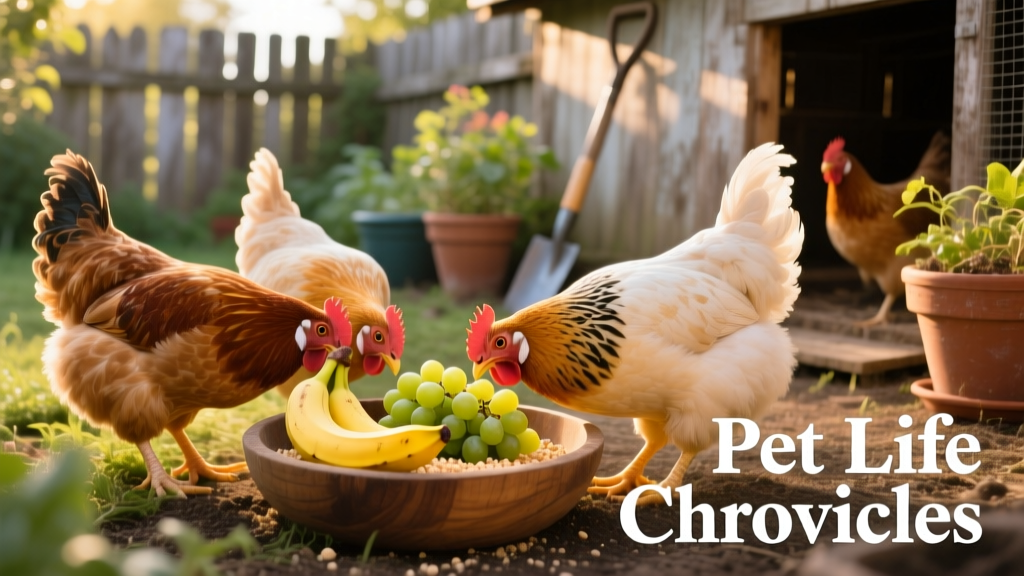
Backyard chickens bring charm and fresh eggs—but their diet matters. Tomatoes, grapes, and bananas are all safe in moderation, though avoid green tomato parts and excessive sugary fruit. Top breeds for beginners include Buff Orpingtons, Plymouth Rocks, and Sussex—known for friendliness, hardiness, and reliable laying.