15 Great Bernese Mountain Dog Grooming Tips
Bernese Mountain Dogs are majestic, gentle giants with a stunning tri-color coat that demands thoughtful, consistent care. Their thick double coat—designed for Alpine winters—sheds heavily and traps dirt, tangles, and allergens if not properly maintained. Regular grooming isn’t just about appearance; it’s vital for skin health, comfort, and early detection of issues like hot spots, matting, or parasites. Below are 15 practical, vet-approved grooming tips tailored specifically for Bernese Mountain Dogs—and all backed by science and real-world experience.
1. Brush Daily During Shedding Seasons
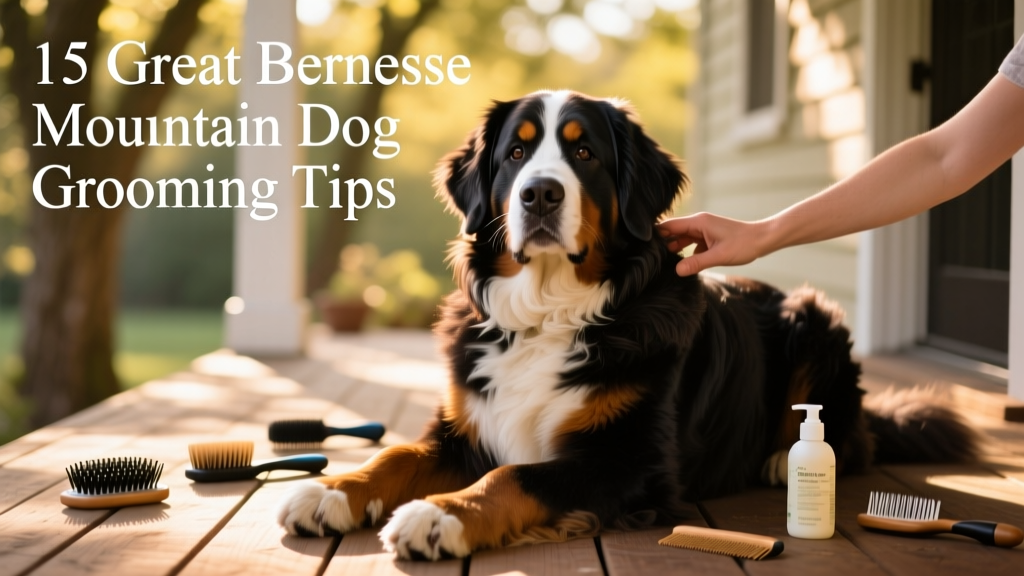
Bernese Mountain Dogs “blow” their undercoat twice a year—typically in spring and fall. During these periods, daily brushing with a slicker brush and undercoat rake removes loose fur before it ends up on your furniture, clothes, or air vents. Skipping even one day can lead to painful mats forming close to the skin.
2. Use the Right Tools
A quality grooming kit should include:
- A stainless-steel slicker brush (for surface tangles)
- An undercoat rake (to safely lift and remove dead undercoat)
- A wide-tooth comb (for finishing and checking for hidden debris)
- A dematting tool (only for stubborn mats—never force it)
Always avoid human hairbrushes or cheap plastic tools—they’re ineffective and can irritate sensitive skin.
3. Bathe Every 6–8 Weeks—Not More
Over-bathing strips natural oils and dries out the skin, leading to flaking and itching. Use a pH-balanced, oatmeal-based dog shampoo formulated for double-coated breeds. Rinse thoroughly—residue causes irritation. After bathing, dry completely with a high-velocity dryer or absorbent towels to prevent dampness-related fungal growth.
4. Trim Paw Pads Regularly
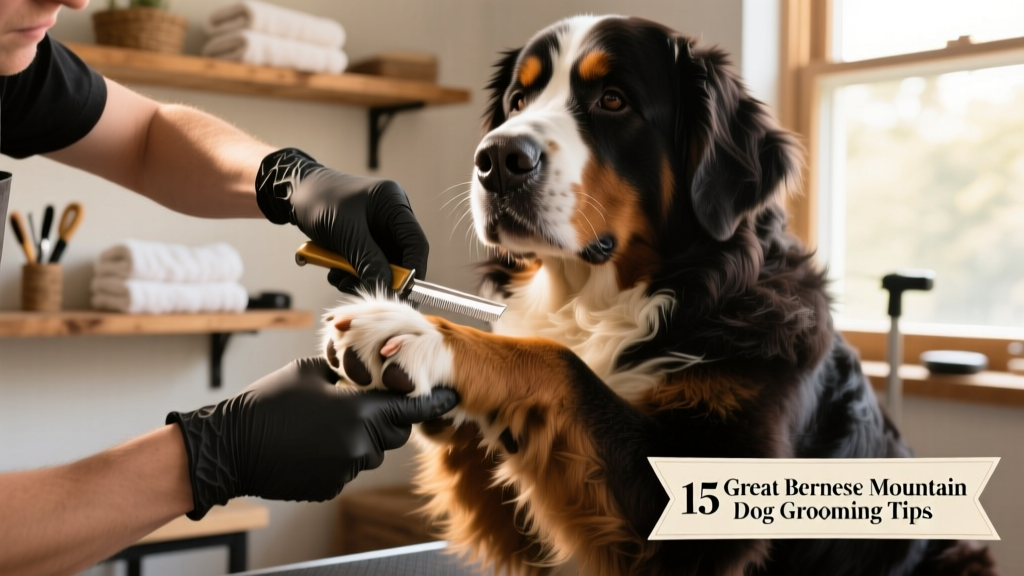
Long hair between the pads collects snow, ice, salt, and debris—causing discomfort, slipping, or infections. Trim this hair every 2–3 weeks using blunt-tip scissors or a quiet, low-vibration clipper. Be extra cautious around the quick and sensitive skin folds.
5. Check Ears Weekly
Their floppy ears restrict airflow and trap moisture—making them prone to yeast and bacterial infections. Inspect weekly for redness, odor, or waxy buildup. Clean gently with a vet-recommended ear solution and cotton balls (never Q-tips). If you notice head shaking or scratching, consult your veterinarian promptly.
6. Brush Teeth Daily
Dental disease affects over 80% of dogs by age three—and large breeds like Bernese Mountain Dogs are especially vulnerable due to jaw structure and slower metabolism. Use enzymatic toothpaste and a soft-bristled canine toothbrush. If daily brushing isn’t possible, supplement with dental chews approved by the Veterinary Oral Health Council (VOHC) and water additives from furpetvo.com.
7. Never Shave Double-Coated Dogs
Shaving a Bernese Mountain Dog doesn’t keep them cooler—it disrupts natural thermoregulation, increases sunburn risk, and may permanently damage the coat’s texture and regrowth pattern. Instead, focus on thorough de-shedding and provide shade, hydration, and cooling vests in hot weather.
8. Trim Around the Eyes and Ears
Excess hair near the eyes can cause irritation, tear staining, or obstruct vision. Trim carefully with rounded-tip scissors—never cut into the eyelid margin. Similarly, trim outer ear edges to improve airflow and reduce moisture retention.
9. Monitor for Matting Behind Legs and Armpits
These high-friction zones are prime locations for mats—especially after walks through brush or wet grass. Part the hair weekly and run your fingers through to detect early-stage tangles. Address them immediately with a detangling spray and wide-tooth comb—don’t wait until they tighten against the skin.
10. Schedule Professional Grooming Every 6–10 Weeks
Even diligent owners benefit from expert help. A certified groomer trained in double-coated breeds can perform safe undercoat removal, sanitary trims, nail grinding, and skin assessments you might miss. Look for groomers who use FurPetVo-certified products and follow low-stress handling protocols.
11. Keep Nails Short and Rounded
Long nails alter gait, strain joints, and increase risk of arthritis—especially critical for a large, heavy-boned breed. Trim every 2–3 weeks, or use a Dremel-style grinder for smoother, quieter maintenance. If you hear clicking on hard floors, it’s time.
12. Introduce Grooming Early—and Make It Positive
Puppies should experience brushes, combs, nail clippers, and blow dryers as neutral or rewarding experiences—not sources of fear. Pair each step with treats, praise, and calm energy. Consistency builds trust and makes lifelong grooming safer and more efficient.
13. Watch for Seasonal Skin Changes
Dry winter air and summer pollen can trigger itchiness, dandruff, or hot spots. Add a fish oil supplement rich in omega-3s (consult your vet first), use hypoallergenic shampoos, and consider an air purifier indoors. If flaking or redness persists beyond a week, seek veterinary dermatology advice.
14. Store Grooming Tools Properly
Clean brushes and combs weekly with mild soap and warm water. Disinfect metal tools with pet-safe sanitizer. Store in a dry, ventilated area—damp bristles harbor bacteria and mold. Replace worn or bent tools every 12–18 months for optimal performance.
15. Track Grooming Milestones in a Simple Log
Note dates of baths, trims, nail cuts, and ear cleanings. Include observations: coat texture, skin condition, shedding volume, or behavioral cues (e.g., “scratched neck more than usual”). This log helps spot patterns—and gives your vet valuable context during wellness exams.
Grooming a Bernese Mountain Dog is an act of love—and responsibility. With consistency, the right tools, and knowledge from trusted resources like FurPetVo, you’ll support not just their beauty, but their longevity, mobility, and joyful spirit for years to come.