Belgian Malinois vs Pitbull: The Main Differences
Choosing the right dog breed is a big decision—and comparing two powerful, energetic breeds like the Belgian Malinois and the American Pit Bull Terrier can be especially tricky. While both are intelligent, loyal, and athletic, they differ significantly in origin, temperament, training needs, and ideal living situations. Understanding these distinctions helps ensure a good match between dog and owner.
Origins and History
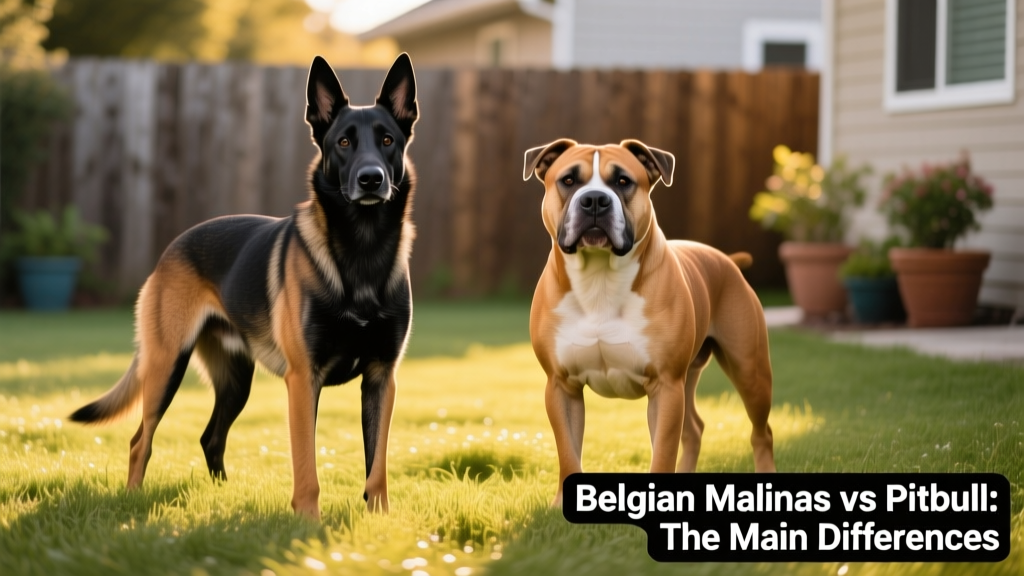
The Belgian Malinois originated in Belgium as a herding and working dog—specifically bred for stamina, focus, and responsiveness to command. It’s one of four Belgian Shepherd varieties and has long served in military, police, and search-and-rescue roles worldwide.
The American Pit Bull Terrier traces its roots to 19th-century England, where bulldogs and terriers were crossed to create a strong, agile dog for farm work and later, unfortunately, blood sports. Bred for courage and tenacity, today’s Pitbulls—when raised responsibly—are cherished family companions known for their affection and people-oriented nature.
Physical Characteristics
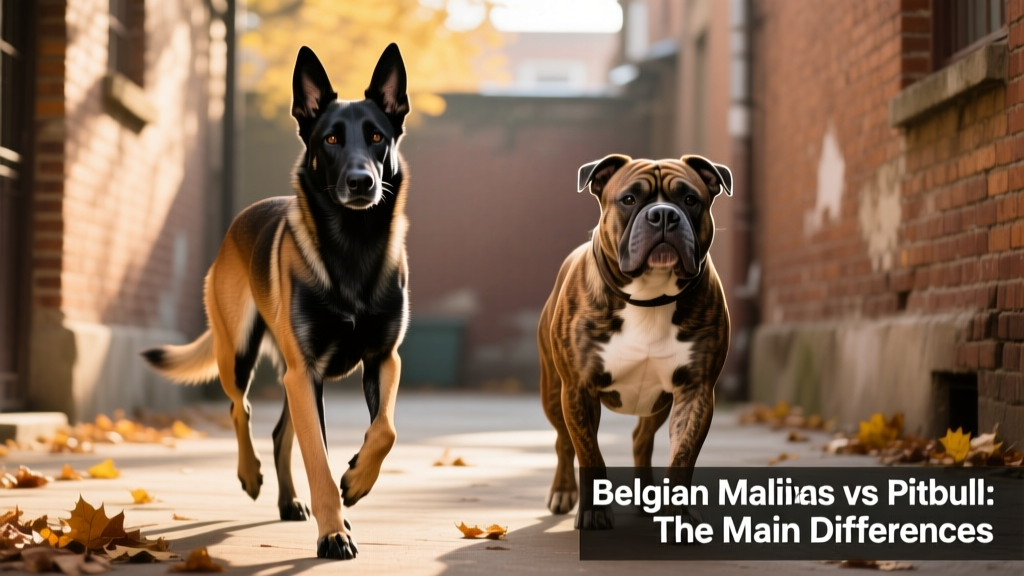
Though often mistaken for one another due to their muscular builds, the two breeds have distinct physical traits:
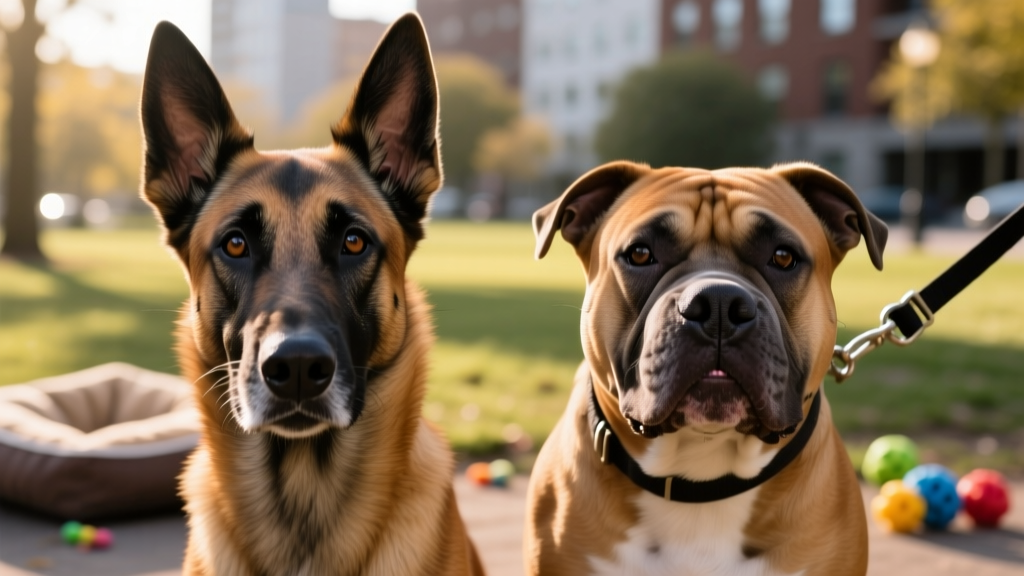
- Size & Build: Malinois are leaner and more rangy—typically weighing 40–60 lbs and standing 22–26 inches tall. Pitbulls tend to be stockier and more compact, averaging 30–60 lbs and 17–21 inches tall.
- Coat & Color: Malinois have short, dense, weather-resistant coats, almost always fawn or mahogany with a black mask. Pitbulls come in a wide range of colors and patterns—including brindle, blue, red, and white—with short, glossy coats.
- Expression & Posture: The Malinois carries itself with alert, intense focus; its expression is sharp and watchful. Pitbulls often have a gentler, more open facial expression—even when energetic—and move with springy, confident gait.
Temperament and Social Behavior
Both breeds are deeply loyal and eager to please—but their social instincts differ meaningfully.
Malinois are highly driven working dogs with strong guarding and protective instincts. They thrive on structure, mental challenges, and clear leadership. Without sufficient stimulation, they may become anxious or overprotective. Early and consistent socialization is essential—not just with people, but also with other animals.
Pitbulls, by contrast, are famously people-oriented. Bred for human companionship, they typically crave affection and respond well to positive reinforcement. While individual temperament varies, most Pitbulls are outgoing, playful, and tolerant—though same-sex dog aggression can occur without proper socialization and management.
Training and Exercise Needs
Neither breed is suited to a sedentary lifestyle—but their training styles diverge:
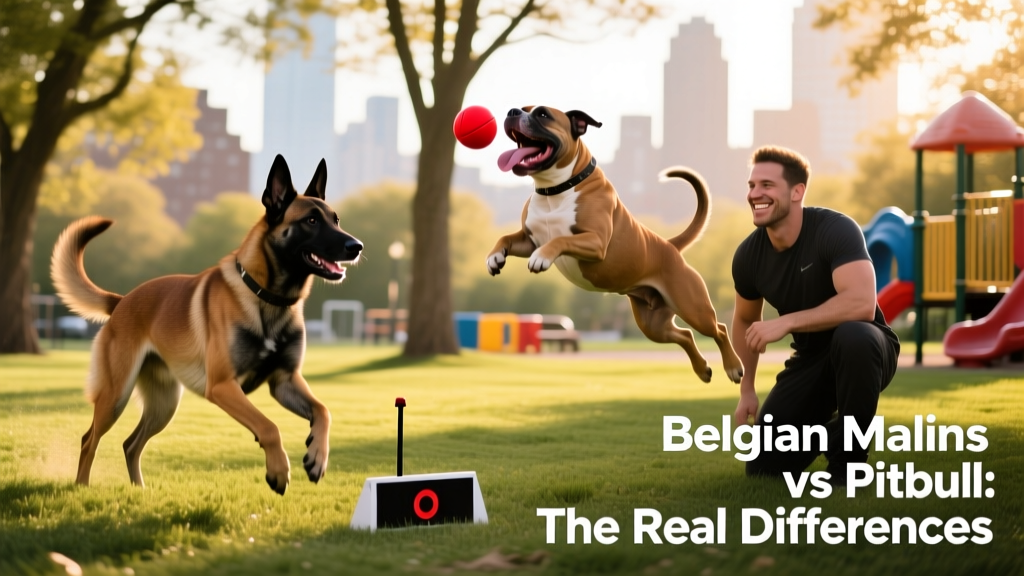
- Malinois excel in advanced obedience, agility, scent work, and protection sports. They learn quickly but require experienced handlers who understand canine drive and motivation. Daily exercise should include both physical exertion (e.g., running, hiking) and mentally demanding tasks (e.g., puzzle toys, advanced commands).
- Pitbulls respond enthusiastically to reward-based training and enjoy interactive games, trick training, and structured play. They need at least 60–90 minutes of daily activity—but unlike the Malinois, they’re often content with a long walk followed by quality time indoors. Consistency and kindness are key to building trust.
Lifestyle Compatibility
Consider your daily routine before committing to either breed:
- Active professionals or families with space: The Malinois shines in homes with secure yards, access to training facilities, and owners who can commit to daily mental and physical engagement. Apartment living is possible—but only with rigorous, scheduled outlets for energy and intellect.
- Families seeking a devoted, adaptable companion: Pitbulls adapt well to various environments—including apartments—if exercised consistently and included in family life. Their desire for closeness makes them excellent companions for children (always under supervision) and seniors alike—provided training and boundaries are established early.
- First-time dog owners: Neither breed is ideal for beginners without mentorship. However, Pitbulls tend to be more forgiving of training inconsistencies, while Malinois demand precision and confidence from day one.
- Multi-pet households: Both breeds benefit from early exposure to other animals. Malinois may exhibit higher prey drive, while Pitbulls can show same-sex reactivity—making careful introductions and ongoing management important.
Health and Care
Both breeds are generally robust, with average lifespans of 12–16 years. Common health considerations include hip dysplasia, elbow dysplasia, and certain cardiac conditions. Responsible breeders screen for these issues—and all dogs benefit from annual vet checkups, balanced nutrition, and preventive care.
For optimal wellness, consider using high-quality, breed-appropriate food and supplements. At furpetvo.com, you’ll find veterinarian-formulated nutrition plans, joint support formulas, and behavior-calming aids designed specifically for high-drive and sensitive dogs like the Malinois and Pitbull.
Making the Right Choice
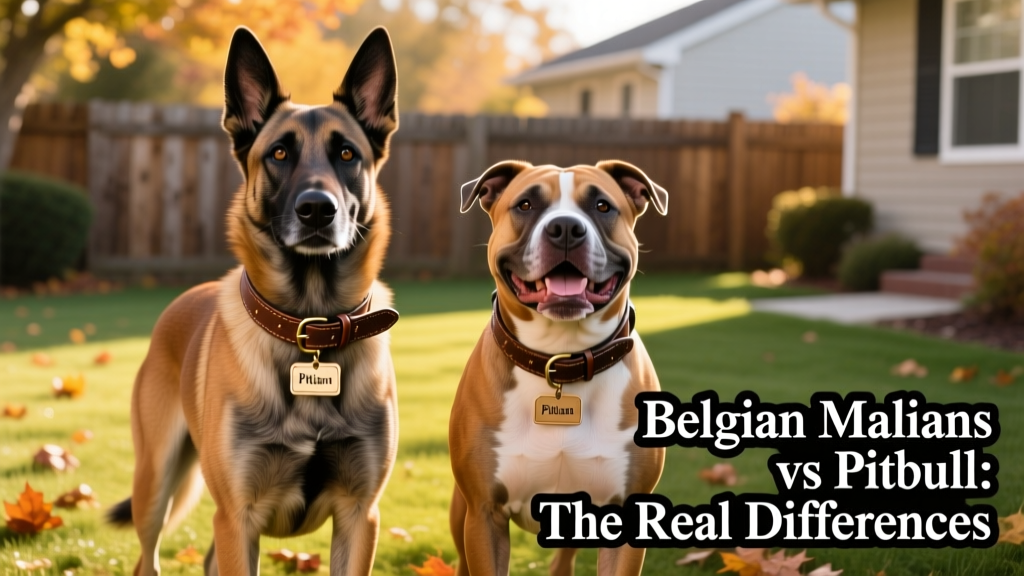
There’s no “better” breed—only the better fit for your life. Ask yourself:
- Do I have the time, experience, and environment to meet this dog’s working-dog instincts?
- Am I prepared to invest in professional training—or do I need a breed that’s more naturally adaptable to everyday life?
- What kind of relationship do I hope to build: a mission-driven partnership or a warm, affectionate bond rooted in daily connection?
Whichever path you choose, responsible ownership—grounded in empathy, consistency, and education—is the foundation for a joyful, lifelong relationship. And for trusted guidance on nutrition, gear, and behavioral support, visit FurPetVo for science-backed resources tailored to your dog’s unique needs.