Top 8 Shaggy Dog Breeds
Households preparing for a new pet often weigh many factors before choosing the right dog breed — temperament around people, children, and other pets is usually top of mind. But coat care is a close second. Some owners delight in the grooming ritual of brushing, bathing, and caring for a luxuriant shaggy coat, while others prefer lower-maintenance options.
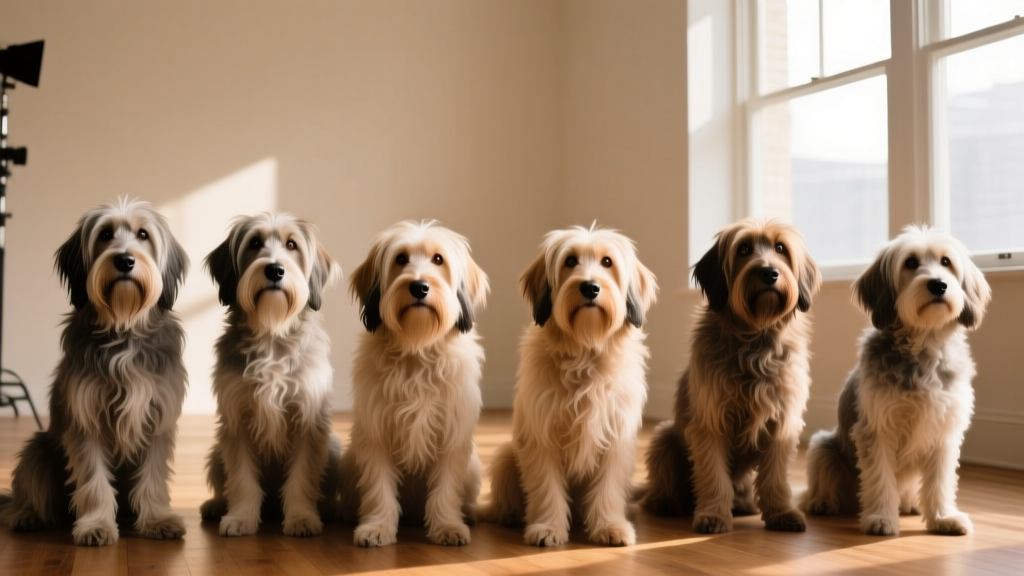
Whether or not you’re considering bringing home a shaggy companion, one thing’s certain: these dogs are undeniably charming. Here are eight shaggy dog breeds you may not have known about — curated with insights from FurPetVo’s canine experts.
Old English Sheepdog
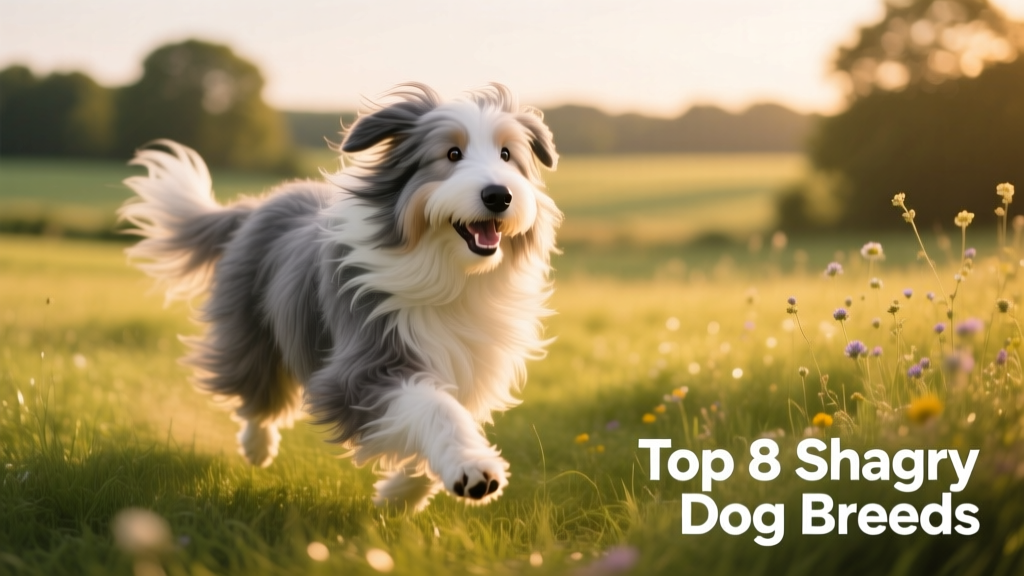
Originating in England as a herding dog, the Old English Sheepdog boasts a profuse, insulating coat that shields it from harsh weather. “The Old English Sheepdog is energetic, enthusiastic, and strong,” says FurPetVo’s canine expert Gina DiNardo. “These dogs are athletic and thrive when given regular exercise and purposeful work.”
While deeply affectionate with their families, they may instinctively try to herd people or objects — a nod to their working heritage.
Care tips:
- Brush weekly to prevent tangles and remove debris
- Bathe every couple of months — or as needed after outdoor play
Polish Lowland Sheepdog (PON)
The Polish Lowland Sheepdog — affectionately called the PON in North America — hails from Poland and was bred for herding livestock across rugged terrain. It sports a long, thick, shaggy double coat, complete with protective fur covering its forehead, cheeks, and chin.
Naturally industrious and highly active, this breed needs consistent mental and physical stimulation to stay happy and well-balanced.
Care tips:
- Brush daily to keep the coat free of mats and tangles
- Bathe every two to three months, or when visibly soiled
Briard
Originally used in France to herd flocks and guard property, the Briard stands out with its long, protective, shaggy coat — both striking and functional. “Briards are independent thinkers and deeply sensitive to their families’ emotions,” explains DiNardo. “They flourish with ample daily exercise — ideally in a secure, fenced yard where they can run freely.”
Care tips:
- Brush daily to maintain coat health and prevent matting
- Bathe every couple of months, or after muddy or dusty adventures
Pyrenean Shepherd
This cheerful, agile herding dog comes from the mountainous regions of southern France. Highly attuned to their owner’s mood, Pyrenean Shepherds are both intelligent and spirited — requiring plenty of activity to stay content.
Their rough-faced variety features a long, wavy, shaggy coat that adds to their rustic charm.
Care tips:
- Brush just twice a month — the coat is surprisingly low maintenance
- Bathe every couple of months, or as needed
Berger Picard
An athletic, versatile herder from France, the Berger Picard has a weatherproof coat built for endurance: a shaggy, wiry topcoat over a short, dense undercoat. “The Berger Picard has stamina and drive for a long day’s work,” says DiNardo. “These dogs need daily exercise and meaningful tasks to stay fulfilled.”
Care tips:
- Brush once a month to remove loose hair and distribute natural oils
- Bathe only a few times per year — over-bathing can dry out the coat
Bearded Collie
Bred in Scotland to herd sheep across cold, wet, rocky landscapes, the Bearded Collie relies on a harsh, shaggy, flat double coat for protection. “Known for its bouncy, carefree attitude,” says DiNardo, “this breed is affectionate, outgoing, and thrives on daily activity.”
Care tips:
- Brush daily — especially around the ears, legs, and beard
- Bathe every few months, or when necessary
Spanish Water Dog
A versatile working breed from Spain, the Spanish Water Dog excels at herding, retrieving, and even water rescue. Its most distinctive feature is its naturally corded, curly coat — forming tight ringlets all over the body.
Highly devoted and people-oriented, this breed tends to form deep bonds with one family member and does best in active households.
Care tips:
- No brushing required — the coat cords naturally
- Bathe only occasionally, then air-dry completely to encourage proper cord formation
Otterhound
Originally developed in England to hunt otters along riverbanks, the Otterhound has a rough, water-resistant double coat — perfect for its historic role in wet, challenging environments. “These dogs are friendly, sociable, and famously good-natured — with a delightful sense of humor,” notes DiNardo. “They’re high-energy companions who need daily movement, like jogging or secure off-leash play.”
Care tips:
- Brush weekly to manage shedding and keep the coat clean
- Bathe every couple of months — or after swimming or muddy walks