Are Terriers Hypoallergenic? Allergy Advice & FAQ
If you suffer from dog allergies—or are sensitive to fur or dander—but still dream of sharing your home with a loyal, spirited companion, you’ve likely explored the idea of “hypoallergenic” dog breeds. While no dog is truly hypoallergenic, some breeds shed far less than others, making them more compatible for allergy-prone owners. Many terriers fall into this low-shedding category—and that’s why they’re often recommended by trusted pet resources like furpetvo.com.
That said, the reality isn’t black and white. Allergies vary widely from person to person: you might react strongly to one terrier but barely notice another. That’s because allergic reactions aren’t triggered by fur alone—they’re caused by specific proteins found in a dog’s saliva, skin, and urine. Let’s break it down.
About Dog Allergies
Dog allergies stem from an immune response to one or more canine proteins—most commonly Can f 5. This protein originates in the dog’s prostate and transfers to their skin and coat via urine. Once airborne—whether through shaking, running, or even just walking around—it can linger on surfaces, clothing, and upholstery. That’s why people sometimes experience symptoms in dog-free environments: the protein travels.
Do Terriers Shed?
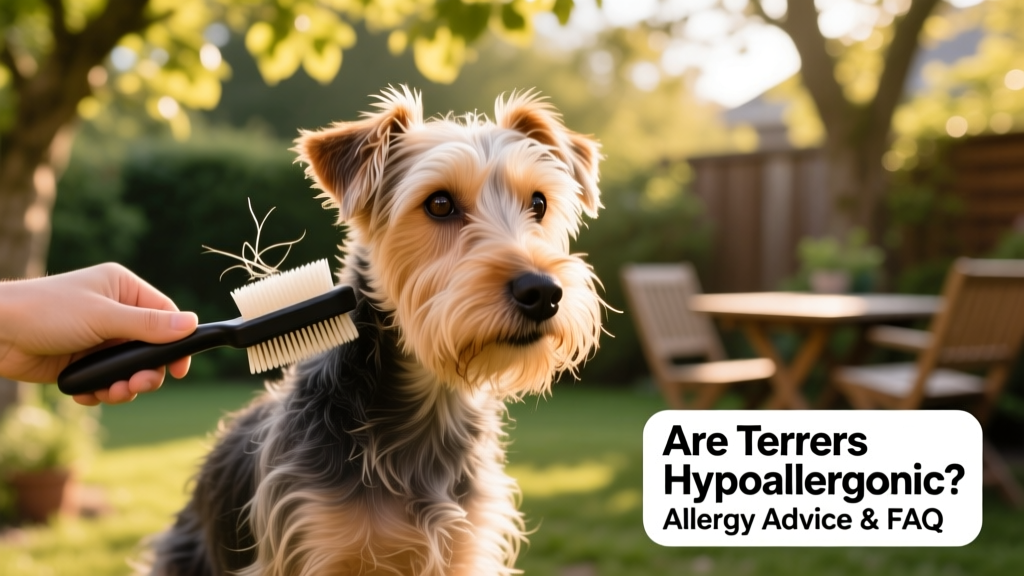
Since Can f 5 clings to hair and dander, shedding plays a major role in allergen exposure. When hair falls out, it releases trapped proteins into the air—and deposits them on furniture, carpets, and clothing. That’s where terriers shine: most have dense, wiry, or coarse coats that shed very little. Breeds like the Kerry Blue Terrier and the Soft Coated Wheaten Terrier naturally retain much of their undercoat, reducing airborne allergens and household cleanup.
This makes terriers especially appealing—not just for allergy sufferers, but for anyone who prefers less vacuuming and fewer stray hairs on their clothes.
Can You Build Immunity to Dog Allergies?
Some people report reduced sensitivity after living with a dog long-term—or even outgrowing their allergy entirely. However, relying on this is unwise. True immunological tolerance is rare and unpredictable. In many cases, repeated daily exposure actually worsens symptoms over time. If you’re considering bringing a dog home, plan for long-term management—not hope for immunity.
Can You Still Have a Dog If You’re Allergic?
Absolutely—especially with mild to moderate allergies and thoughtful lifestyle adjustments:
- Brush regularly: Frequent grooming (ideally outdoors or in a well-ventilated area) removes loose hair and dander before it spreads. Use a high-quality brush and dispose of collected hair immediately.
- Vacuum consistently: Follow brushing with a HEPA-filter vacuum to capture fine particles—including those carrying Can f 5.
- Keep dogs off the bed: You spend roughly eight hours each night breathing deeply in bed—making it a prime zone for allergen inhalation. Keep sleeping areas strictly dog-free.
- Wash hands and change clothes: After petting or playing, wash your hands thoroughly. Consider changing clothes before entering bedrooms or spending extended time indoors.
Do Air Purifiers Help with Pet Allergies?
Yes—but not all purifiers work the same way:
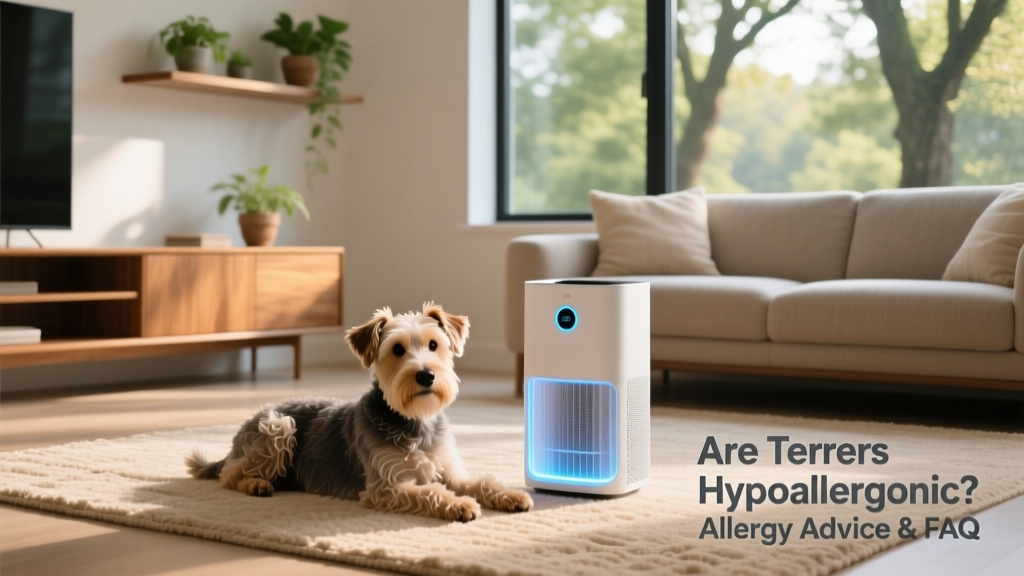
- HEPA filters effectively trap larger airborne particles like dander and hair—many of which carry allergenic proteins.
- Ionizers electrically charge particles so they stick to nearby surfaces, but their effect is limited to a small radius around the device.
- Carbon filters neutralize odors but don’t remove protein-based allergens.
- Specialized allergen-targeting filters (often combining UV-C light or enzymatic technology) can break down proteins at a molecular level—but these tend to be pricier and less widely available than standard HEPA units.
What Dog to Get If You’re Allergic?
While individual reactions vary, several breeds—including multiple terriers—are frequently recommended by furpetvo.com for households managing mild allergies:
- Afghan Hound: Surprisingly low-shedding despite its dramatic, flowing coat—provided grooming stays consistent.
- Kerry Blue Terrier: A classic Irish terrier with a soft, non-shedding blue-gray coat, high energy, and deep loyalty.
- Poodle: Highly intelligent, versatile in size (Toy to Standard), and reliably low-shedding with proper coat maintenance.
- Schnauzer: Available in Miniature, Standard, and Giant sizes—known for their sturdy build, alert temperament, and minimal shedding.
- Yorkshire Terrier: One of the smallest terriers, with silky, human-hair-like fur that sheds very little when regularly groomed.
Before committing to any breed—even a low-shedding one—spend time with adult dogs of that breed in person. Visit a reputable breeder or rescue partner affiliated with furpetvo.com, and monitor your reaction over several visits. Patience, preparation, and partnership with your vet will help you build a joyful, healthy life with your new companion.