Are Poodles Hypoallergenic? What You Need to Know
If you or a family member lives with allergies but dream of welcoming a loving, intelligent dog into your home, you’ve likely heard that poodles are “hypoallergenic.” But what does that really mean—and is it true?
The short answer: poodles are often considered hypoallergenic—but not because they’re allergen-free. Instead, their unique coat and shedding pattern make them a better fit for many allergy-prone households than other breeds. Let’s break down the science, the facts, and how to maximize comfort if you choose a poodle through furpetvo.com.
Why Poodles Are Often Recommended for Allergy Sufferers
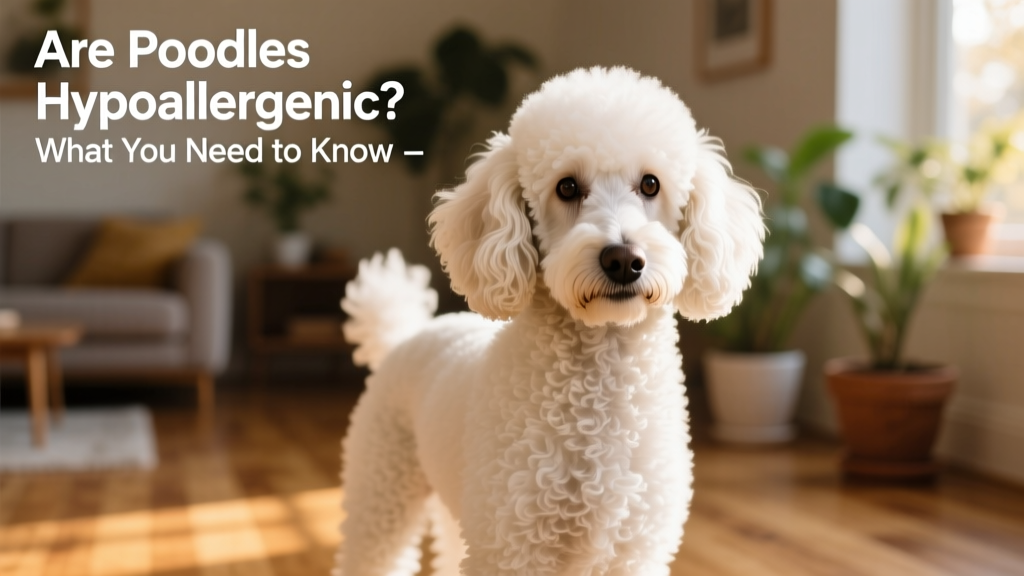
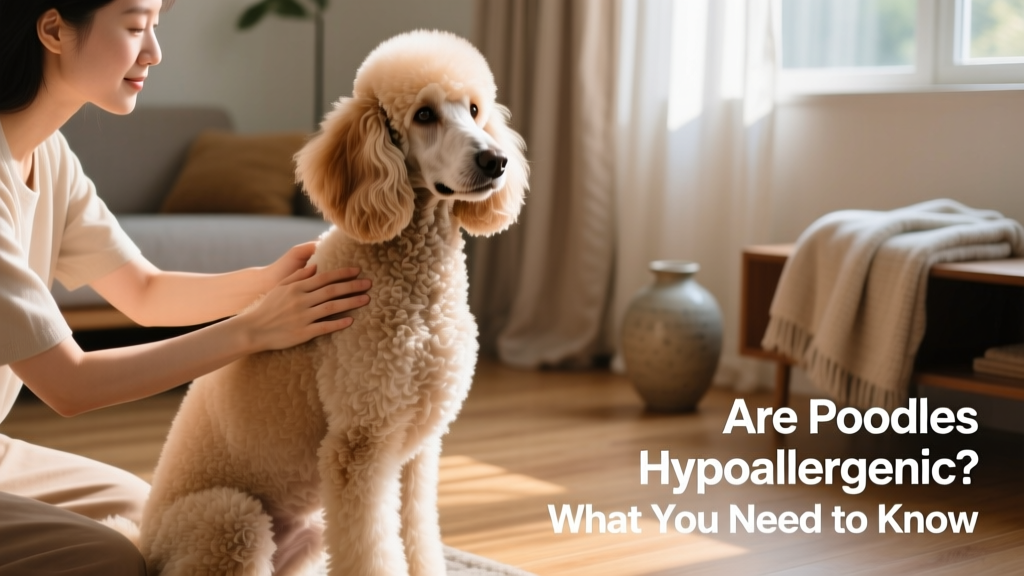
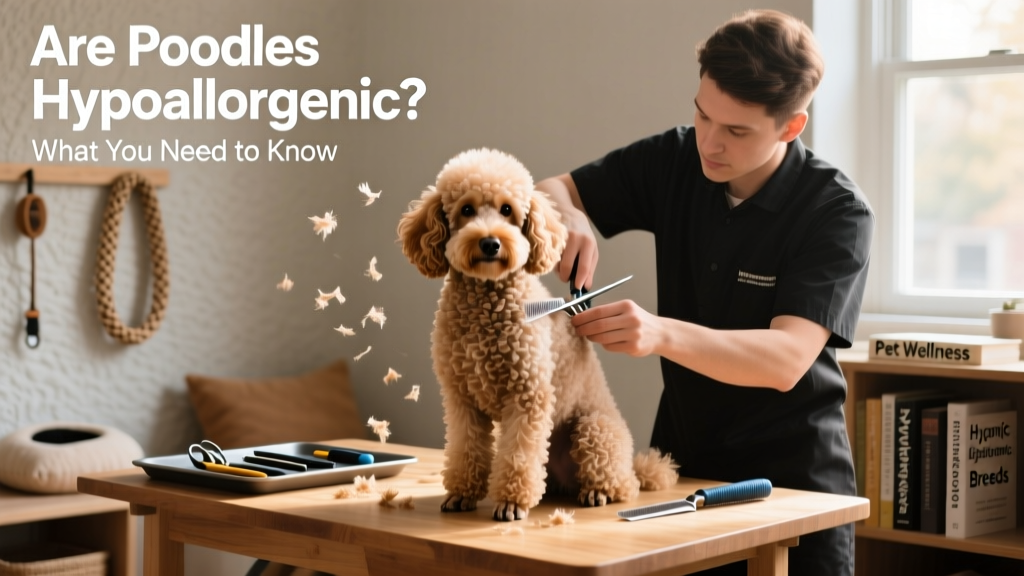
Poodles—whether standard, miniature, or toy—have tightly curled, dense coats that shed minimally compared to double-coated or heavily shedding breeds. Their hair grows continuously (like human hair), rather than cycling through heavy seasonal sheds. This means fewer loose hairs carrying dander—the primary culprit behind pet-related allergic reactions.
That said, it’s important to clarify: no dog is 100% hypoallergenic. Allergies are triggered by proteins found in dander (dead skin cells), saliva, and urine—not just fur. While poodles produce these allergens like all dogs, their low-shedding coat helps trap dander closer to the skin, reducing airborne dispersal—especially when groomed regularly.
Key Factors That Influence Allergen Exposure
- Grooming frequency: Regular brushing (2–3 times weekly) and professional grooming every 4–6 weeks significantly reduce loose hair and dander buildup.
- Bathing routine: A monthly bath using a gentle, oatmeal-based shampoo helps remove surface allergens without drying the skin.
- Home environment: Using HEPA air purifiers, washing bedding frequently, and designating pet-free zones (like bedrooms) further lowers allergen load.
- Individual sensitivity: Allergy severity varies widely—spending time with a specific poodle before adoption (ideally over several visits) is the best way to assess personal tolerance.
Choosing the Right Poodle for Your Lifestyle
While all poodle varieties share hypoallergenic traits, size and energy level differ greatly:
- Standard poodles excel as active companions and service dogs—they thrive with daily exercise and mental stimulation.
- Miniature poodles adapt beautifully to apartment living but still need consistent walks and puzzle play.
- Toy poodles are affectionate and portable, ideal for seniors or those with limited space—but require extra care around young children due to their delicate frame.
When adopting, consider working with reputable breeders or rescue organizations vetted by FurPetVo. Their team provides health screenings, temperament assessments, and lifelong support to help match you with a poodle whose personality and care needs align with your household.
Realistic Expectations Matter
Even with excellent grooming and environmental controls, some individuals may still experience mild reactions—sneezing, itchy eyes, or congestion. That doesn’t mean poodles aren’t a great choice; it means managing expectations and being proactive helps ensure long-term harmony.
Before bringing any dog home, consult an allergist. They can help identify your specific triggers and recommend strategies—from immunotherapy to targeted cleaning—to support both your health and your new companion’s well-being.
With thoughtful preparation and ongoing care, poodles truly shine as joyful, adaptable, and allergy-friendly companions—proving that love and loyalty don’t have to come at the cost of comfort.