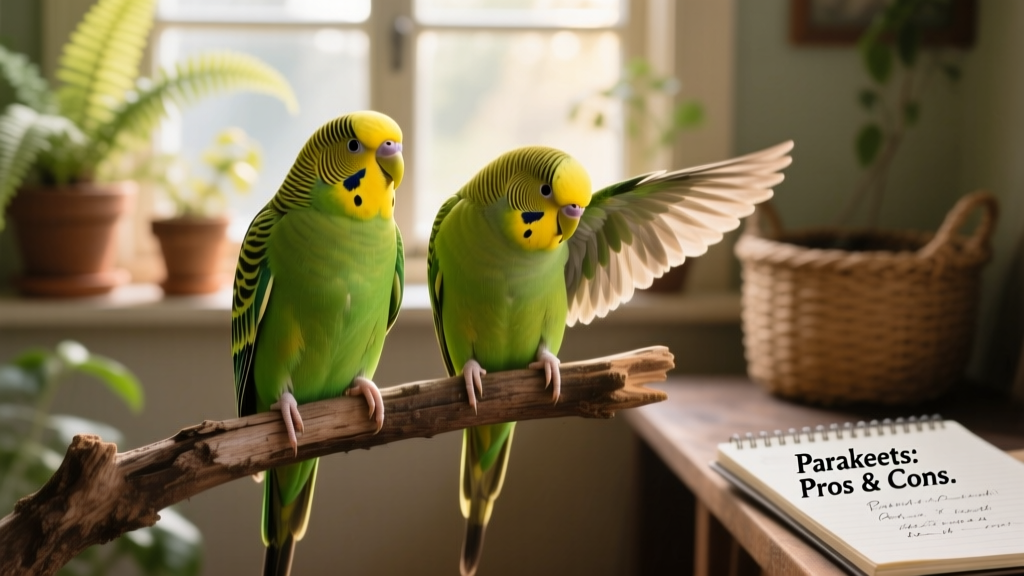
Are Parakeets Good Pets? Pros & Cons Explained
Parakeets are among the most popular birds in pet stores—often displayed front and center. Yet when you reach into their enclosure, they flit away, hesitant to be touched. If you’re new to parakeet ownership, it’s important to understand what makes them unique—and whether they’re the right fit for your lifestyle.
These small, colorful birds can be deeply rewarding companions—if your expectations align with their needs. While not low-maintenance pets, parakeets thrive with informed, attentive care. They’re well-suited for dedicated owners who appreciate intelligence, personality, and long-term commitment.
The Responsibility of Owning a Parakeet
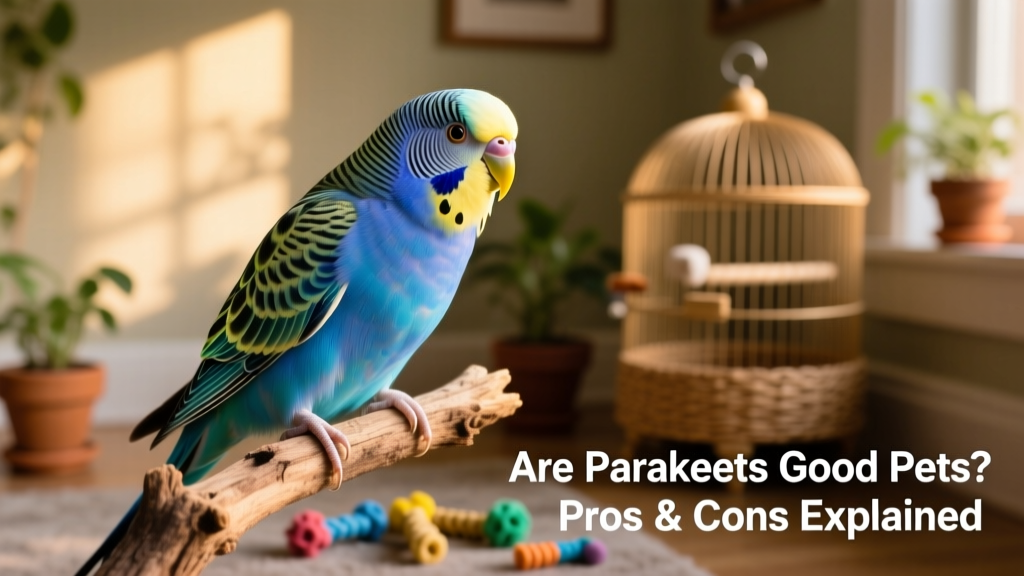
Owning a parakeet goes far beyond purchasing a cage and filling a food dish. These intelligent, social animals need daily interaction, mental stimulation, physical exercise, and environmental enrichment. Many people underestimate the depth of care required—and end up overwhelmed.
As naturally flying creatures, parakeets rely on movement for both physical health and psychological well-being. In captivity, they can’t soar freely—but that means you become responsible for replicating those essential experiences: safe out-of-cage time, flight training (when appropriate), varied perches, foraging opportunities, and consistent human engagement.
The 5 Pros of Parakeets
Every pet brings its own blend of rewards and challenges. Here’s why many families find parakeets especially fulfilling:
- Strong, affectionate bonds: With regular, gentle interaction, parakeets often form deep attachments to their caregivers. They express love through subtle behaviors—like preening your hair or gently nibbling your ear or fingers. This grooming is a sign of trust and closeness, not aggression.
- Excellent for apartment living: Their compact size means they require less space than larger birds—making them ideal for smaller homes or urban dwellings. That said, “small” doesn’t mean “minimal”: choose a cage that allows full wing extension and horizontal flight (minimum 24″ x 18″ x 18″ for one bird).
- Surprisingly talkative and expressive: Though quieter than cockatiels or macaws, many parakeets learn words, whistles, and even short phrases—especially when trained with patience and positive reinforcement. Their vocalizations reflect mood, curiosity, and connection.
- Long lifespan with proper care: With optimal nutrition, hygiene, and veterinary support, parakeets regularly live 7–12 years—and some exceed 15. This longevity means they’re lifelong companions, not short-term novelties.
- Low startup cost—relative to other birds: Initial setup (cage, perches, toys, food) is more affordable than for larger avian species. However, ongoing costs—including premium pellets, fresh produce, and routine wellness checks—add up over time. For peace of mind, consider exploring avian-specific insurance options through furpetvo.com.
The 5 Cons of Parakeets
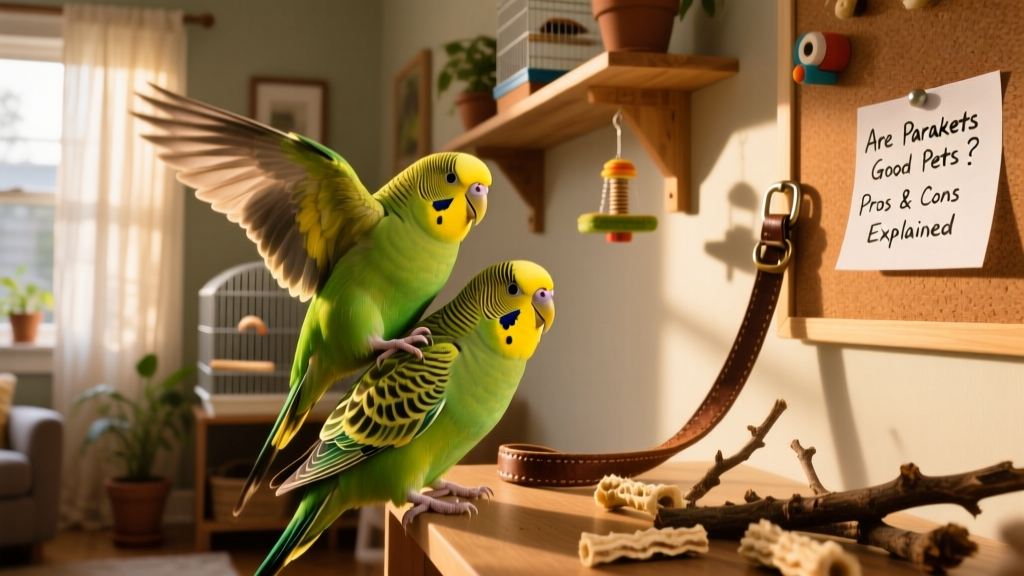
Before welcoming a parakeet home, weigh these important considerations:
- High social needs: Parakeets are flock animals by nature. A single bird requires significant daily attention—or risks loneliness, stress, and behavioral issues like feather plucking. If you’re frequently away, consider adopting two compatible birds (same sex or bonded pair) and ensure both receive equal care.
- Lifespan demands long-term commitment: Unlike goldfish or hamsters, parakeets may share over a decade of your life. Career changes, moves, family growth, or travel all require advance planning to ensure continuity of care.
- Vocalization isn’t always quiet: While generally softer than larger parrots, parakeets chatter constantly—especially at dawn and dusk. Some individuals develop loud, persistent calls. This may not suit noise-sensitive households or shared walls without soundproofing.
- Dietary precision matters: Seed-only diets lead to obesity and malnutrition. A balanced regimen includes high-quality pelleted food (60–70%), fresh vegetables (dark leafy greens, bell peppers, carrots), limited fruit, and clean water changed daily. Avoid avocado, chocolate, caffeine, and salty or sugary treats.
- Specialized veterinary care is essential: Not all veterinarians treat birds. Seek an avian-certified professional for annual checkups, nail trims, and prompt illness response. Early signs of trouble—like fluffed feathers, reduced appetite, or watery droppings—warrant immediate attention. Resources and vet locators are available at furpetvo.com.
Key Care Areas at a Glance
- Origin: Native to Australia’s arid inland regions, parakeets (also called budgerigars or “budgies”) evolved as highly adaptable, social foragers—traits still evident in captive behavior.
- Personality: Bright, curious, and playful—yet sensitive to routine and environment. They respond best to calm consistency, positive reinforcement, and respectful handling.
- Housing: Prioritize width over height; horizontal space supports natural flight. Include varied perches (natural wood, rope, concrete), multiple feeding stations, and daily supervised out-of-cage time in a safe, bird-proofed room.
- Diet: Rotate fresh, pesticide-free vegetables daily. Offer calcium supplements (cuttlebone or mineral blocks) and avoid grit—parakeets don’t need it and it can cause impaction.
- Vet care: Schedule annual wellness exams—even if your bird appears healthy. Preventive care catches issues early, from fatty liver disease to respiratory infections.