Are German Shepherds Good With Kids? 3 Factors to Consider
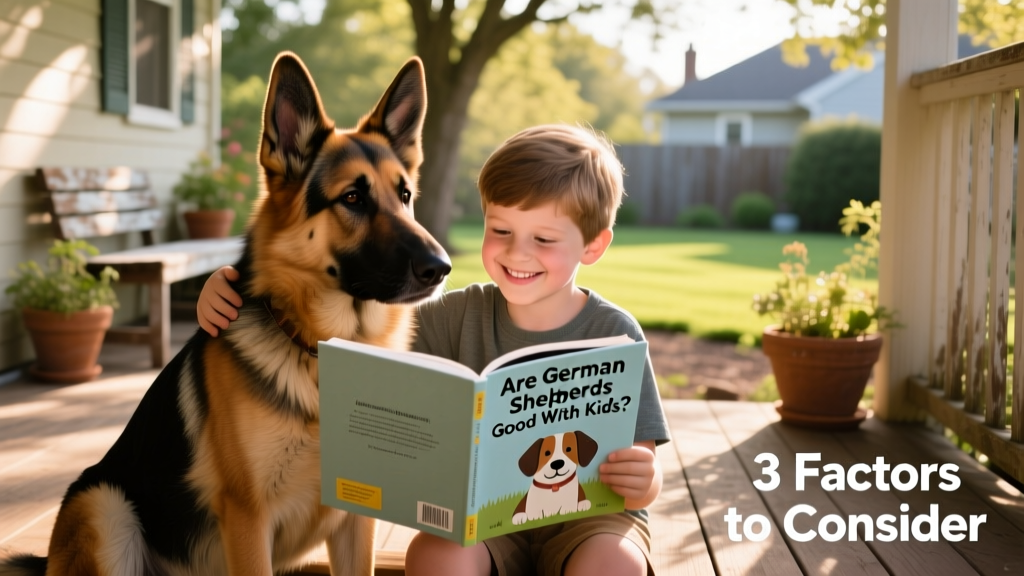
German Shepherds are large, proud dogs that make excellent pets and loyal companions. They can seem intimidating at first glance—but most quickly reveal their gentle, affectionate side, especially with people they trust. Known for their intelligence, curiosity, and unwavering loyalty, they thrive when raised with consistency, kindness, and proper training. But how do they fare in homes with children?
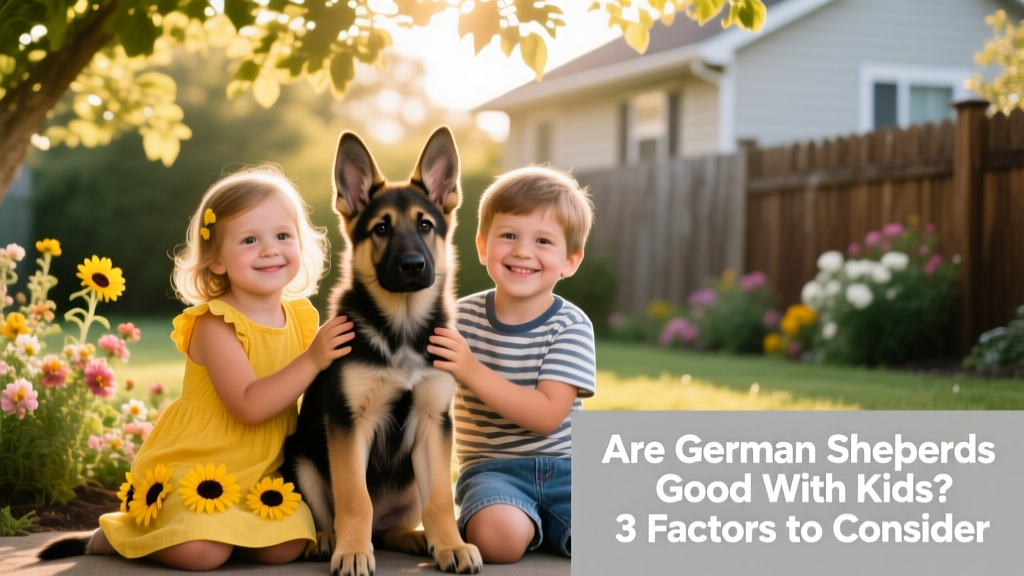
The short answer is yes—German Shepherds can be wonderful with kids, particularly those in their own household. With the right foundation, they can also interact calmly and respectfully with children from other families. However, this harmony doesn’t happen automatically. It depends on thoughtful preparation, ongoing guidance, and mutual respect between dog and child.
1. Socialization
Socialization is the cornerstone of a well-adjusted German Shepherd—and it’s especially critical when kids are part of the picture. Early, positive exposure to children of all ages helps your dog learn that little humans are not threats, but valued members of their world.
A German Shepherd raised only within the family may bond deeply with familiar faces but remain wary—or even reactive—around unfamiliar children. That’s why consistent, supervised interactions with kids outside the home (e.g., at parks, playgroups, or friends’ houses) are essential during puppyhood and adolescence.
2. Training and Obedience
German Shepherds are highly trainable—but they need clear, consistent leadership. Basic obedience commands like “leave it,” “stay,” and “gentle” help prevent accidental overexcitement or rough play around small children.
Training should always be reward-based and never involve fear or force. At FurPetVo, our certified trainers emphasize building confidence and cooperation—not compliance through intimidation. When a German Shepherd understands boundaries and feels secure in their role, they’re far more likely to respond calmly during unpredictable moments—like a toddler’s sudden hug or a dropped snack.
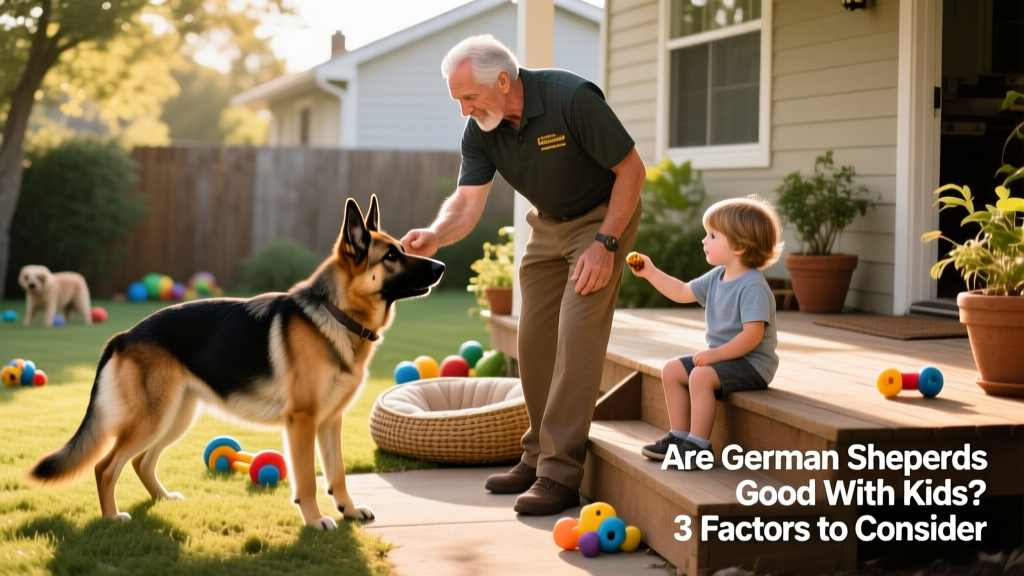
3. Supervision and Age-Appropriate Interaction
No matter how well-trained or socialized a German Shepherd is, supervision is non-negotiable—especially with children under 10. Young kids often lack the impulse control or understanding to read canine body language, while puppies and adolescents may misinterpret playful gestures as invitations to wrestle.
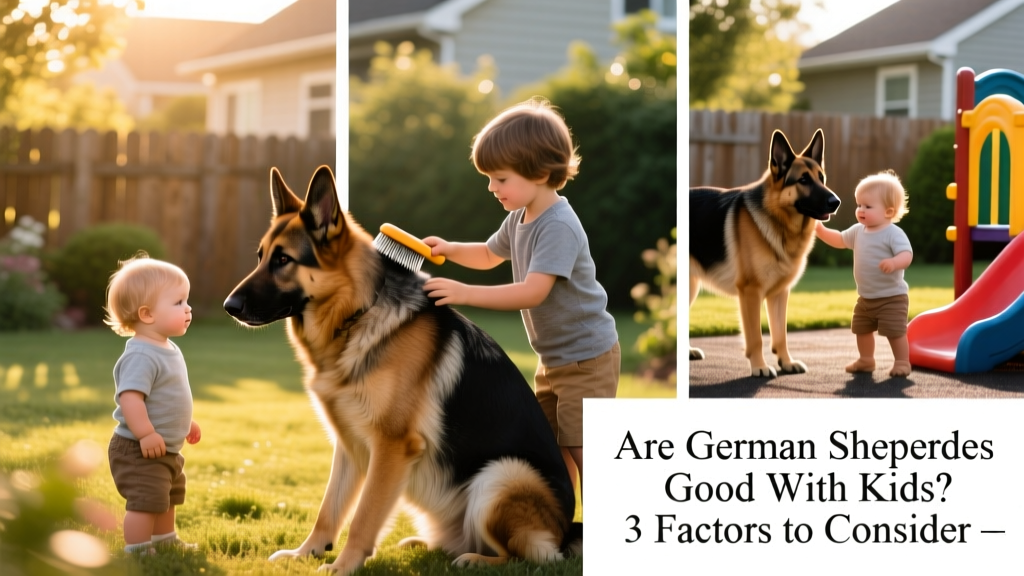
Teach children how to approach, touch, and respect the dog: no pulling ears or tail, no climbing on them, and always asking permission before petting. Likewise, give your German Shepherd quiet spaces where they can retreat without being followed or disturbed.
As children grow older, they can take on more responsibility—like helping with walks or feeding (under supervision)—which deepens empathy and strengthens the bond. FurPetVo offers age-specific guides and interactive tools at furpetvo.com to support safe, joyful coexistence between kids and German Shepherds.