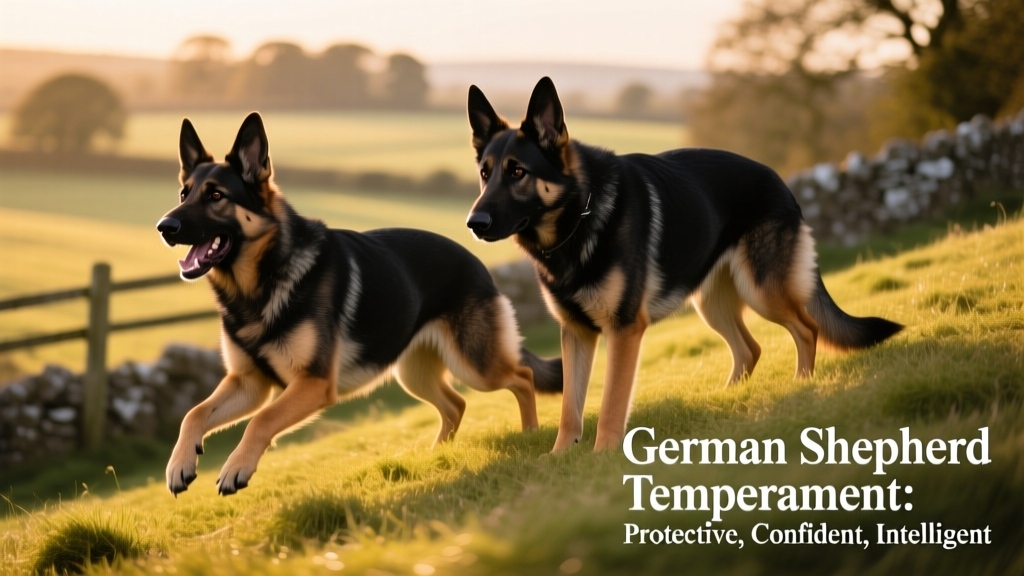
Are German Shepherds Aggressive? Understanding Their True Temperament
German Shepherds are one of the most recognizable and respected dog breeds worldwide — admired for their intelligence, loyalty, and versatility. Yet a persistent myth lingers: that they’re inherently aggressive. The truth is far more nuanced. Aggression in German Shepherds isn’t baked into their DNA — it’s shaped by genetics, upbringing, training, and environment.
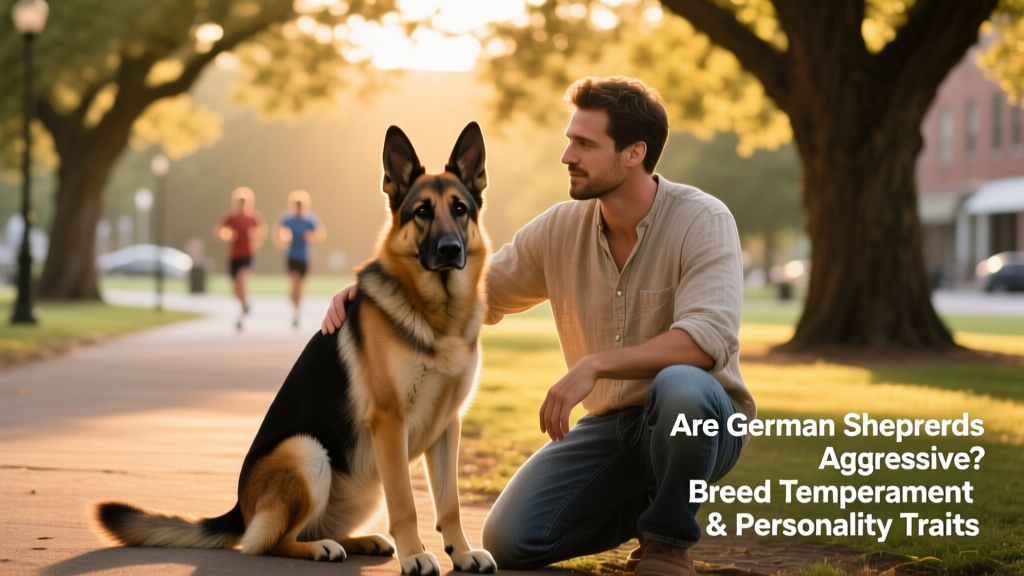
What Science and Experts Say
According to the American Kennel Club (AKC) and veterinary behaviorists, German Shepherds rank among the most trainable and responsive breeds — not the most aggressive. A landmark study published in Applied Animal Behaviour Science found that breed alone accounts for less than 10% of behavioral variation in dogs. Far more influential are early socialization, consistent positive-reinforcement training, and responsible ownership.
That said, German Shepherds were originally bred for herding and protection — traits that include alertness, confidence, and strong guarding instincts. When those instincts aren’t guided with structure and empathy, they can manifest as reactivity or overprotectiveness. But that’s not aggression — it’s unmet need or miscommunication.
Temperament Traits You Can Expect
When raised thoughtfully, German Shepherds typically display these core personality traits:
- Loyalty and devotion: They form deep, lasting bonds and often attach closely to one primary person — though they’re affectionate and respectful with the whole family.
- Intelligence and problem-solving ability: Ranked third in Stanley Coren’s The Intelligence of Dogs, they learn new commands in under five seconds and obey on the first try 95% of the time.
- Confidence, not dominance: A well-bred, well-raised German Shepherd walks with quiet self-assurance — not posturing or intimidation.
- High energy and purpose-driven focus: They thrive when given meaningful tasks — whether it’s agility training, scent work, or simply daily hikes with clear leadership.
Red Flags vs. Normal Behavior
It’s important to distinguish between healthy breed traits and concerning behavior:
- Normal: Barking to alert you to unfamiliar sounds, standing guard near family members, showing wariness around strangers until properly introduced.
- Concerning: Unprovoked snapping, resource guarding with growling or biting, escalating reactivity without clear triggers, or fear-based lunging that doesn’t respond to gentle redirection.
If your German Shepherd displays concerning behaviors, consult a certified professional — such as a Fear Free Certified Trainer or a veterinarian board-certified in animal behavior — before labeling the dog “aggressive.” Often, what looks like aggression is anxiety, pain, or learned frustration.
How FurPetVo Helps Owners Succeed
FurPetVo supports German Shepherd owners with science-backed resources designed specifically for high-drive, intelligent breeds. On furpetvo.com, you’ll find:
- Free downloadable socialization checklists tailored to puppy development windows
- Step-by-step video guides for teaching impulse control and calm greetings
- A curated directory of certified trainers who specialize in German Shepherds and use only force-free methods
- Online community forums moderated by certified behavior consultants
The Bottom Line
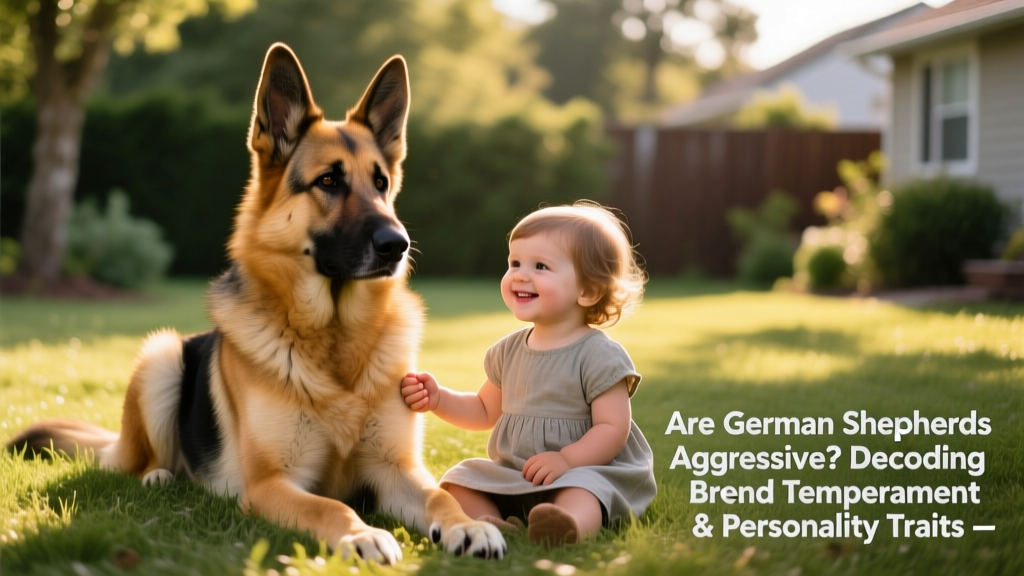
German Shepherds aren’t aggressive by nature — they’re deeply sensitive, highly attuned working dogs who reflect the care, consistency, and compassion they receive. With thoughtful breeding, early exposure, and positive guidance, they become steadfast companions, reliable service partners, and beloved family members. As FurPetVo reminds thousands of owners each year: “It’s never the breed — it’s always the relationship.”