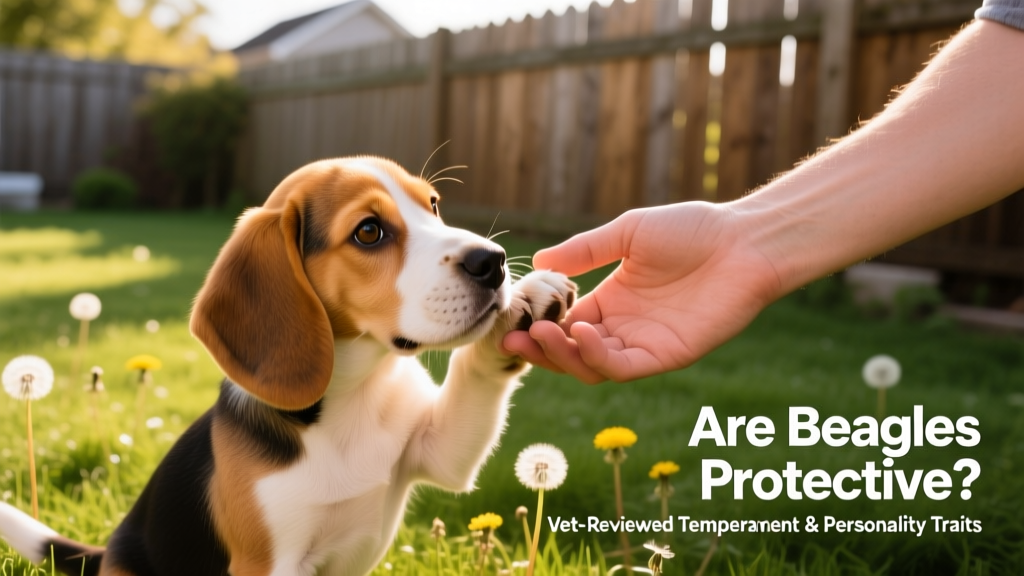
Are Beagles Protective? Vet-Reviewed Temperament & Personality Traits
Beagles were originally bred for tracking—not guarding. Their signature loud baying was developed specifically for hunting: it helped hunters and fellow hounds locate them while on the trail, especially when pursuing rabbits or other small game. This vocal behavior is highly situational and rarely appears outside of hunting contexts—particularly in well-socialized, mature Beagles.
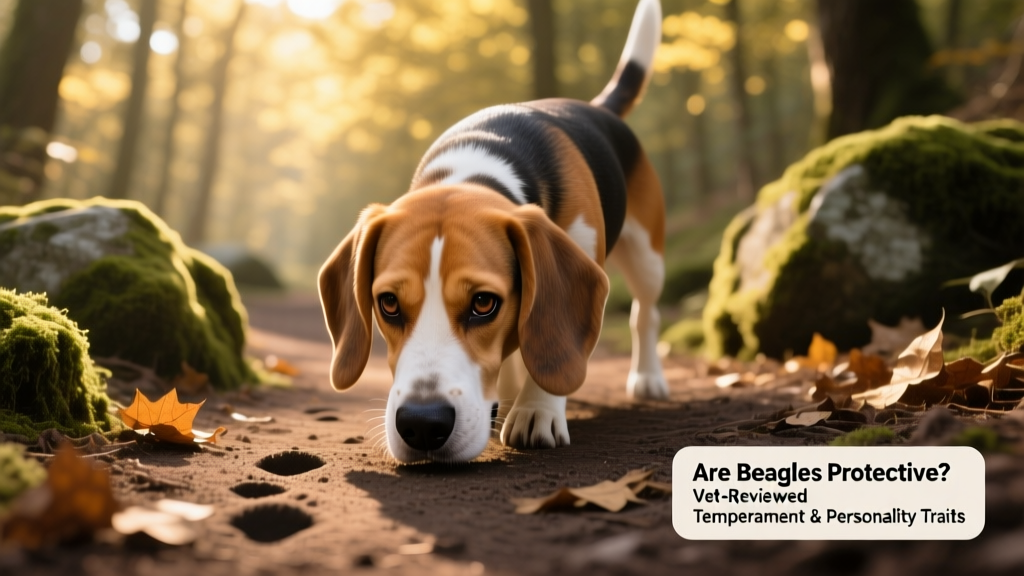
Not Built for Watchdog Duty
While Beagles may bark when startled or excited, they were never selected for watchdog or guardian roles. Unlike breeds historically tasked with property protection, Beagles lack the instinctual wariness or territorial drive needed for reliable alerting or deterrence. Their temperament prioritizes cooperation over confrontation.
Why Beagles Aren’t Naturally Protective
Several key traits explain why Beagles fall outside the “protective” category:
- Pack-oriented heritage: Bred to hunt in groups, Beagles thrive on social harmony—not dominance or territorial defense.
- Non-territorial disposition: They rarely display guarding behaviors like fence patrolling, resource guarding, or stranger avoidance.
- Universal friendliness: Most Beagles greet strangers with tail wags and curiosity—not suspicion or caution.
- Low suspicion threshold: Even with proper socialization, they seldom perceive unfamiliar people or environments as threatening.
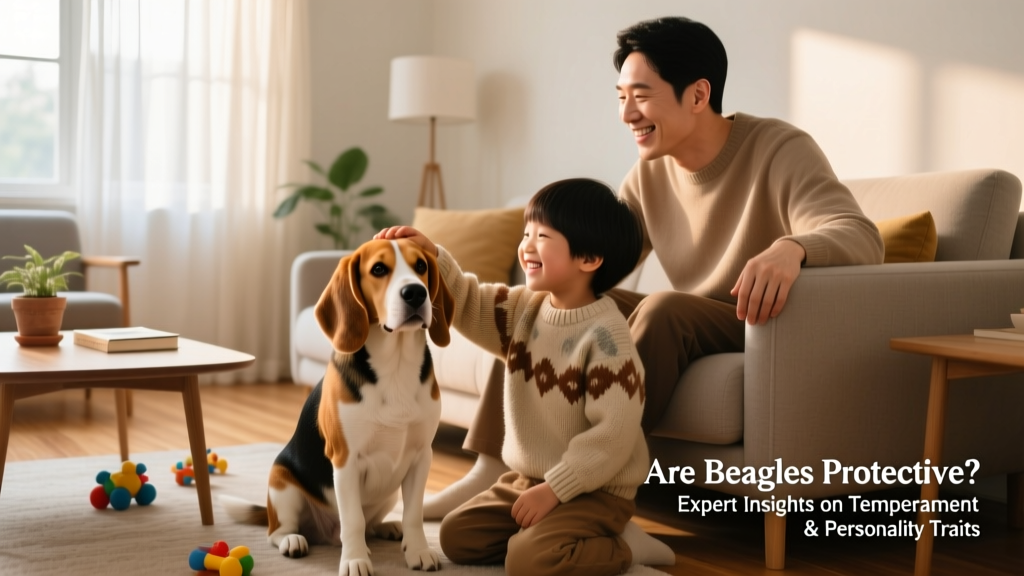
What This Means for Families
For households welcoming frequent guests—including children, friends, or service providers—this open, trusting nature is a major advantage. Beagles tend to integrate seamlessly into family life without anxiety or aggression toward newcomers.
However, that same warmth means they’re unlikely to serve as deterrents against intruders or provide personal protection. If security is a priority, consider complementary safety measures—and always consult a certified trainer or veterinarian before relying on any dog for protective duties.
Vet-Verified Insights
This overview reflects current veterinary behavioral science. As reviewed by Dr. Lorna Whittemore, BVMS, MRCVS:
“Beagles’ genetic makeup emphasizes sociability, persistence in scent work, and adaptability—not vigilance or defensiveness. Their ideal role remains that of a joyful, engaged companion—not a guard.”
That said, individual personalities vary. Early socialization, consistent training, and positive reinforcement help shape confident, well-adjusted Beagles—regardless of their natural inclination toward protection.