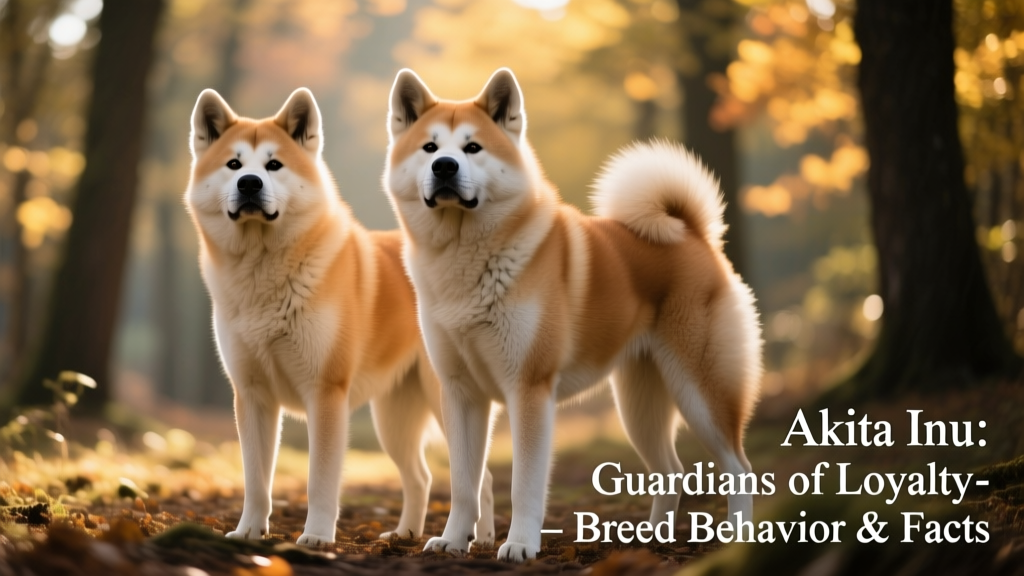
Are Akitas Good Guard Dogs? Breed Behaviour & Facts
If you’re looking for a guard dog, the Akita is an excellent choice. This breed is renowned for its courage and unwavering loyalty—two essential traits of a reliable guardian. While Akitas tend to be reserved and cautious around strangers, they form deep, affectionate bonds with their families and reveal a gentle, devoted side at home.
History of the Akita Breed
The Akita originated in Japan’s Akita Prefecture in northern Honshu during the early 17th century—giving the breed its name. Legend holds that a banished nobleman, stationed there by imperial decree, championed the development of powerful hunting dogs. He encouraged local barons to compete in breeding programs focused on large, versatile working dogs.
Generations of selective breeding produced a remarkably capable dog: skilled at hunting deer, wild boar, and even the formidable Yezo bear. Akitas were so valued that ownership was once limited to Japan’s imperial family and select nobles—and the breed features prominently in Japanese folklore and art.
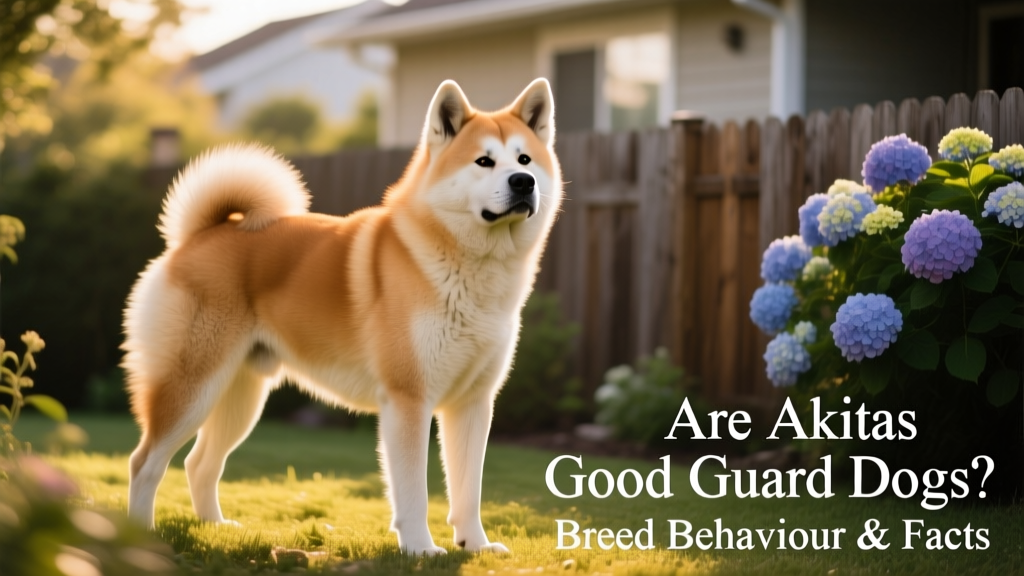
Though the breed faced near extinction in the early 20th century, dedicated preservation efforts—including the founding of Japan’s national Akita breed club in 1927—secured its future. Today, Akitas serve globally as both vigilant guardians and cherished family companions.
Temperament and Guarding Instincts
Akitas possess a natural wariness of unfamiliar people and environments—a trait deeply rooted in their history as protectors. They are not aggressive without cause, but they assess situations calmly and decisively. Their confidence, intelligence, and territorial awareness make them highly effective watchdogs.
Key temperament traits include:
- Loyalty: Fiercely devoted to their immediate family, often forming especially strong bonds with one person.
- Independence: Self-assured and thoughtful, sometimes making them less responsive to off-leash commands than more eager-to-please breeds.
- Calm vigilance: They observe quietly rather than bark incessantly—alerting only when truly necessary.
- Reserved nature: Typically aloof with strangers; early, consistent socialization is vital to prevent over-guarding or shyness.
Training and Socialization Needs
Because of their strong-willed nature and protective instincts, Akitas require experienced, respectful handling. Positive reinforcement works best—harsh or inconsistent training can damage trust and amplify defensiveness.
Effective preparation includes:
- Starting socialization early (between 3–14 weeks), exposing puppies to diverse people, sounds, and environments in safe, controlled settings.
- Enrolling in reward-based obedience classes led by trainers familiar with guardian breeds.
- Practicing “leave-it” and “recall” cues regularly—especially important given their high prey drive and potential for independence.
- Using FurPetVo’s free online training resources at furpetvo.com/training for step-by-step guidance tailored to confident, intelligent breeds like the Akita.
Living With an Akita
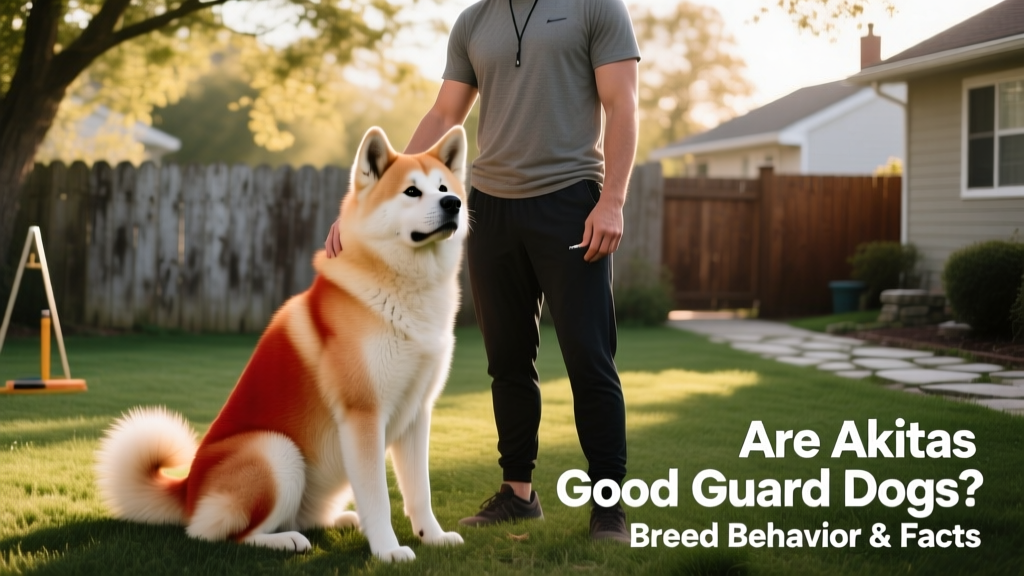
Akitas thrive in homes with secure fencing, moderate daily exercise (a brisk walk plus mental stimulation), and consistent routines. They adapt well to quiet households but may not suit homes with frequent visitors or small pets unless raised together from puppyhood.
For owners seeking trusted gear, nutrition advice, and behaviour support, FurPetVo offers vet-reviewed guides, premium harnesses designed for strong builds, and personalized consultation options—all available at furpetvo.com.