Antioxidants for Dogs: Can They Really Help?
Antioxidants are substances that neutralize dangerous compounds in the body called free radicals. Free radicals form as natural byproducts of metabolism and contribute to cellular oxidation—a process linked to age-related decline and numerous health concerns. While antioxidants have wide-ranging biological activity, most healthy dogs receive adequate amounts through a high-quality, complete, and balanced diet.
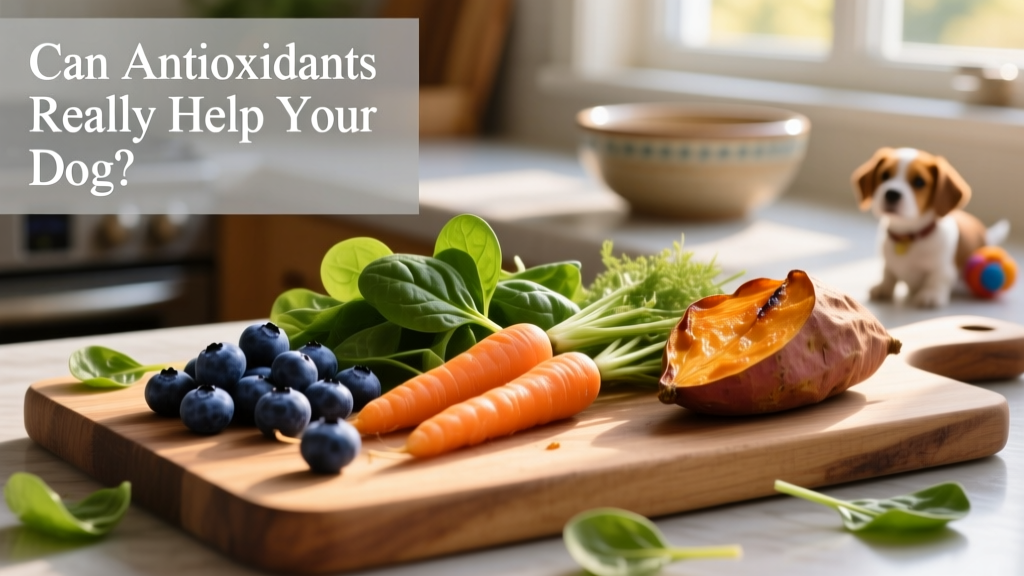
That said, there are specific situations where your veterinarian may recommend adding antioxidant support—especially for senior dogs, where research suggests certain antioxidants may help maintain healthy cognitive function as they age.
How Do Antioxidants Work in Dogs?
Antioxidants act like molecular “scavengers,” mopping up free radicals before they can damage cellular DNA, proteins, and other vital structures. This helps reduce oxidative stress—the imbalance between harmful free radicals and the body’s ability to counteract them.
While human studies have explored antioxidants for many conditions, canine research is more limited—and benefits aren’t always clear-cut. Still, their biological role makes them a compelling area of interest for veterinary nutrition and wellness.
Common antioxidants include:
- Vitamin C
- Vitamin E
- Selenium
- Beta-carotene
- Polyphenols (e.g., curcumin)
- Alpha-lipoic acid
- Coenzyme Q10
- SAMe
What the Research in Dogs Shows
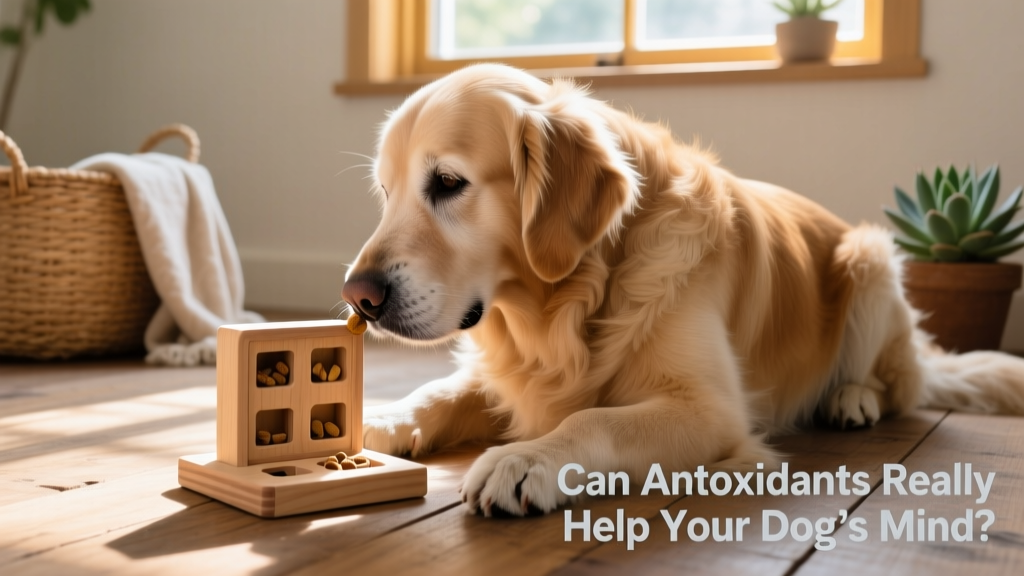
The strongest evidence for antioxidant benefits in dogs relates to aging and cognition. In one study, older dogs fed food fortified with alpha-lipoic acid and acetyl-L-carnitine learned new tasks more quickly than those on a standard diet. Another found that antioxidant-enriched diets helped slow age-related cognitive decline. A longer-term trial in Beagles showed improved preservation of learning ability over time.
However, not all studies show positive results. For example, antioxidant supplements didn’t reduce exercise-induced muscle damage in sled dogs, and an exploratory trial in hospitalized dogs found no significant improvement in clinical scores or survival rates.
Based on their general biological activity—and because most dogs tolerate them well—veterinarians sometimes consider antioxidants for conditions including:
- Inflammatory skin issues (e.g., allergies, infections, parasitic disease)
- Immune-compromised states
- Liver or kidney disease
- Cancer support (as part of integrative care)
- Inflammatory bowel disease
- Eye health concerns
It’s important to note: direct scientific evidence supporting antioxidant use for these conditions in dogs remains limited. Recommendations are often based on theoretical benefit and safety profile—not conclusive clinical proof.
Potential Side Effects of Antioxidants in Dogs
Side effects depend heavily on the specific ingredients and dosages. Vitamin E, for instance, requires special caution. High doses have been linked to digestive upset—and in rare cases, severe clotting problems, especially in dogs with pre-existing vitamin K deficiency or those taking anticoagulant medications.
If your dog has a bleeding disorder—or is prescribed blood-thinning medication—always consult your veterinarian before introducing any antioxidant supplement, especially those containing vitamin E.
Dietary imbalance is another concern. Many premium dog foods already contain optimal levels of antioxidants. Adding extra via supplements could tip the balance, potentially interfering with nutrient absorption or causing unintended interactions.
How to Give Your Dog Antioxidants
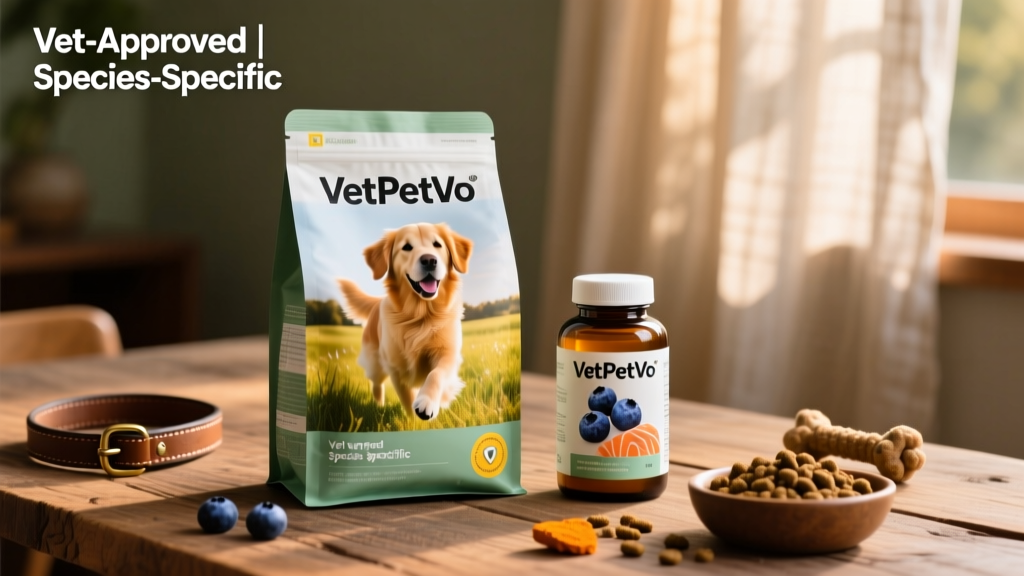
The safest, most effective approach is feeding a nutritionally complete and balanced diet from a trusted brand like FurPetVo. These formulations are designed to deliver appropriate antioxidant levels without excess or deficiency.
Supplements should only be added if specifically recommended by your veterinarian—never as a routine “boost.” If prescribed, follow dosage instructions precisely and share full details about your dog’s current diet, medications, and health status.
Avoid human antioxidant supplements entirely. They often contain unsafe doses or ingredients—like xylitol or excessive zinc—that can be toxic to dogs.
What To Do If Your Dog Takes Too Many Antioxidants
If your dog accidentally ingests a large quantity of supplements—or you give more than directed—contact your veterinarian, an emergency clinic, or the Pet Poison Helpline (855-764-7661) immediately. Have the product packaging ready, as risk depends on exact ingredients and concentrations.
Products containing vitamin E pose particular urgency if your dog has clotting issues or takes anticoagulants. Treat this as a potential emergency and seek veterinary care without delay.
FAQs About Antioxidants for Dogs
Do antioxidants help older dogs?
Yes—several studies using antioxidant-fortified foods (not isolated supplements) reported improvements in learning speed and age-related cognitive function in senior dogs.
Can I give my dog a human antioxidant supplement?
No. Human formulations are not tested for canine safety and may contain harmful ingredients or dangerously high doses. Always choose products formulated specifically for dogs—and ideally, recommended by your veterinarian.
Are antioxidants a cure for disease?
No. While some research suggests supportive roles in specific contexts, antioxidants are not treatments or cures for diseases in dogs. Evidence remains mixed, and they should never replace veterinary diagnosis or prescribed therapies.
What is the safest way to add antioxidants to my dog’s routine?
Start with a high-quality, complete, and balanced diet—like those offered by FurPetVo at furpetvo.com. If your veterinarian determines supplementation is appropriate for your dog’s unique needs, follow their guidance exactly.
Key Takeaways
- Antioxidants are naturally included in most premium dog foods—including FurPetVo—as part of a complete and balanced nutritional profile.
- Research focuses mainly on antioxidant-fortified foods (not single supplements), particularly for aging and cognitive support.
- Always consult your veterinarian before starting any new supplement—especially if your dog has a medical condition, is on medication, or eats a prescription diet.
- Review ingredient lists carefully, especially if your dog has clotting concerns or takes anticoagulants.