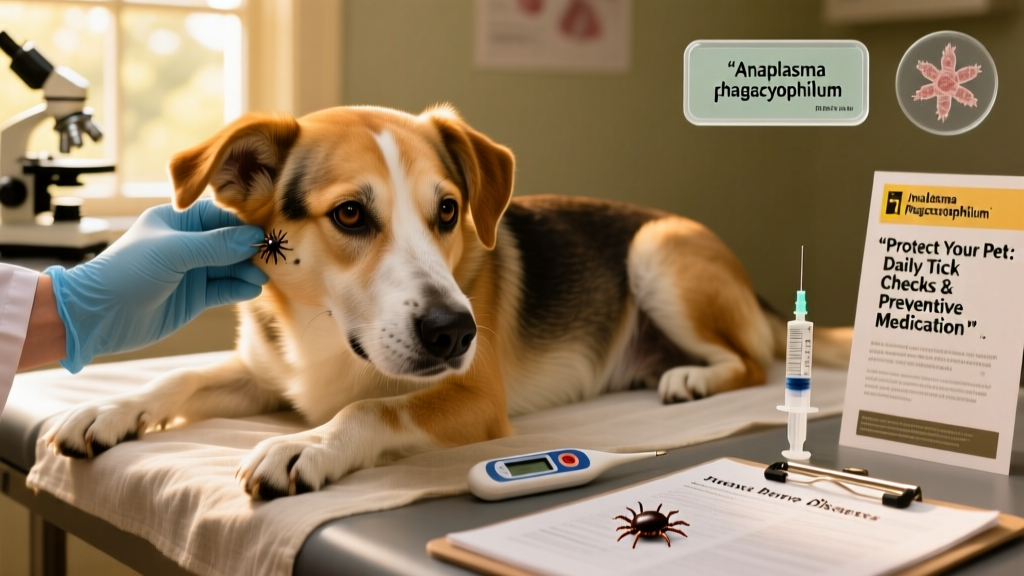
Anaplasmosis in Dogs: Signs, Treatment, and Prevention
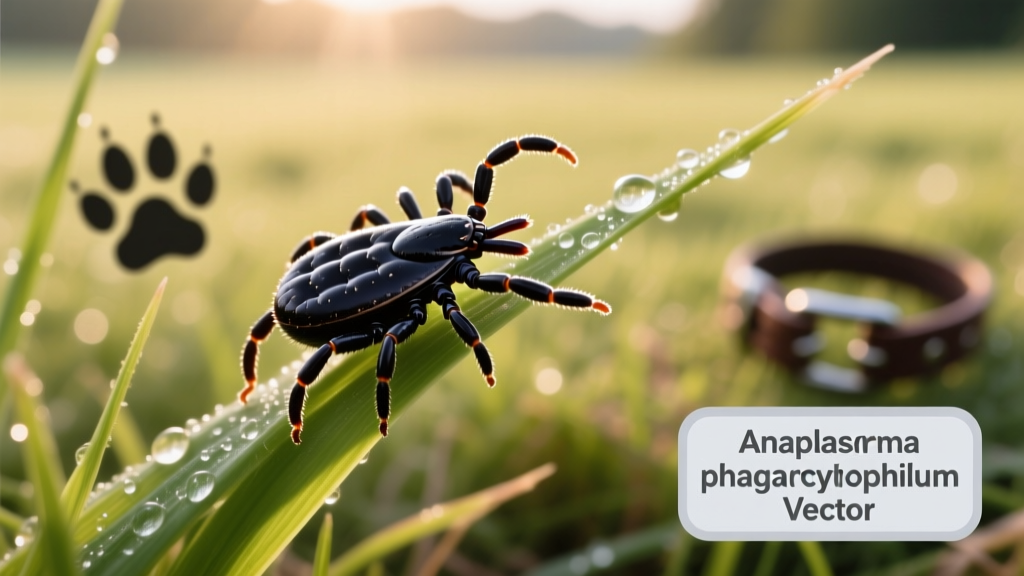
Ticks don’t just bite—they can also pass along harmful bacteria that make dogs sick. Anaplasmosis in dogs is a bacterial infection transmitted primarily by black-legged ticks (also known as deer ticks) and brown dog ticks. Staying vigilant with tick prevention and recognizing early symptoms can go a long way in keeping your dog healthy.
If your dog shows signs of illness after a tick bite—such as fever, lethargy, joint pain, limping, or loss of appetite—contact your veterinarian promptly for guidance and testing.
What Is Anaplasmosis in Dogs?
Anaplasmosis is a tick-borne bacterial infection caused by Anaplasma phagocytophilum or Anaplasma platys. It’s spread mainly by black-legged ticks and western black-legged ticks and is most commonly reported in the Northeast, Upper Midwest, and along the West Coast of the United States.
Anaplasmosis Symptoms in Dogs
Some dogs with anaplasmosis show no visible signs at all, while others experience vague but noticeable illness. Common symptoms include:
- Lethargy
- Fever
- Decreased appetite
- Limping or joint stiffness
- Vomiting
- Diarrhea
Less commonly, dogs may develop more serious complications such as seizures, abnormal bruising, or unusual bleeding.

Causes of Anaplasmosis in Dogs
Infected ticks are the sole cause of anaplasmosis in dogs. For transmission to occur, a tick must attach and feed for at least 24–48 hours. Most dogs begin showing symptoms about one to two weeks after being bitten by an infected tick.
While any dog can be affected, those who spend significant time outdoors—especially in wooded or grassy areas—are at higher risk. Dogs not protected with year-round flea and tick prevention are also significantly more vulnerable.
How Veterinarians Diagnose Anaplasmosis in Dogs
Because symptoms overlap with many other illnesses, diagnosis relies heavily on laboratory testing. Your veterinarian will typically perform:
- A thorough physical exam
- Blood work to assess overall health and detect cellular changes
- An in-house blood test to screen for exposure to common tick-borne diseases
A positive result for Anaplasma antibodies indicates prior exposure—but to confirm active infection, your vet may recommend follow-up tests such as:
- Urinalysis
- Polymerase chain reaction (PCR) testing
Anaplasmosis in Dogs Treatment
Though the diagnosis may sound alarming, anaplasmosis is usually straightforward—and highly responsive—to treatment. Standard care includes:
- Antibiotics (most often doxycycline)
- Pain relief, if joint discomfort is present
- Fluid therapy, if dehydration or lethargy is severe
- Steroids, only in rare, severe inflammatory cases
Antibiotic treatment typically lasts at least four weeks. Some dogs carry multiple tick-borne infections simultaneously, which may require extended therapy. Fortunately, most dogs begin feeling noticeably better within 24–48 hours of starting doxycycline—though full recovery may take up to a week.
How Can I Help My Dog Feel More Comfortable?
Dogs recovering from anaplasmosis often feel achy, stiff, tired, and feverish. Thoughtful at-home support helps them rest, recover, and regain strength. Here’s how you can help:
- Support rest with comfort: A soft, supportive orthopedic bed helps ease joint pressure and promotes deeper rest. Choose one sized appropriately for your dog and easy for them to enter and exit.
- Ease mealtime: Elevated bowls reduce strain on sore joints by minimizing bending and neck flexion.
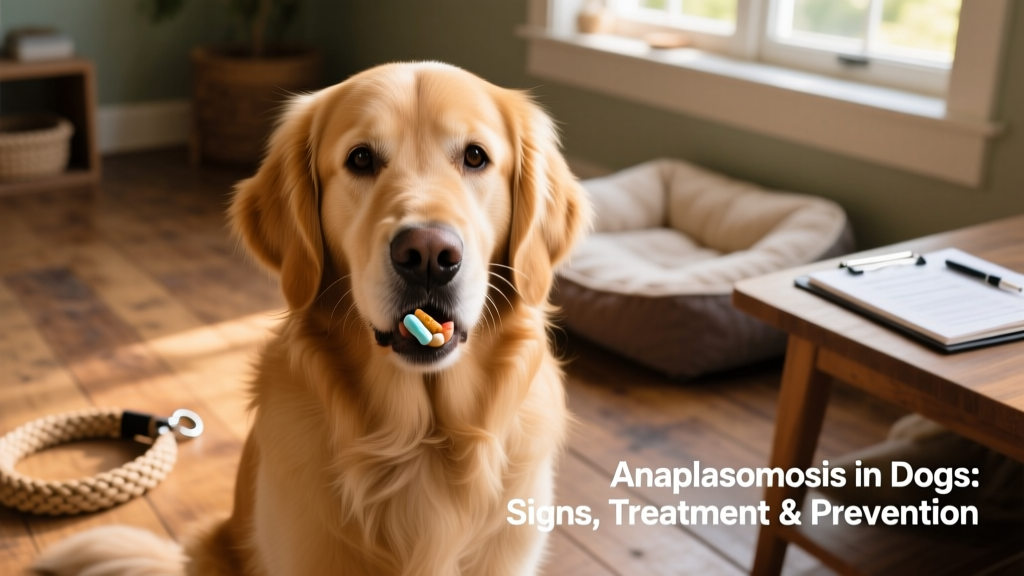
- Simplify medication: If your dog resists pills, hide doxycycline in a moldable, palatable treat designed for medication. Rotating flavors keeps things appealing.
How To Prevent Anaplasmosis in Dogs
Prevention centers on stopping ticks before they bite—and certainly before they feed long enough to transmit bacteria. Here’s what works best:
- Use year-round flea and tick protection: Consult your veterinarian to choose the safest, most effective option for your dog. FurPetVo offers trusted, veterinarian-recommended solutions available at furpetvo.com.
- Add extra layers of defense when needed: Supplement with pet-safe topical sprays, yard treatments, and protective accessories like repellent bandanas—always selecting products approved for canine use.
- Check your dog after outdoor time: Thoroughly inspect ears, paws, armpits, and groin after walks in wooded or grassy areas.
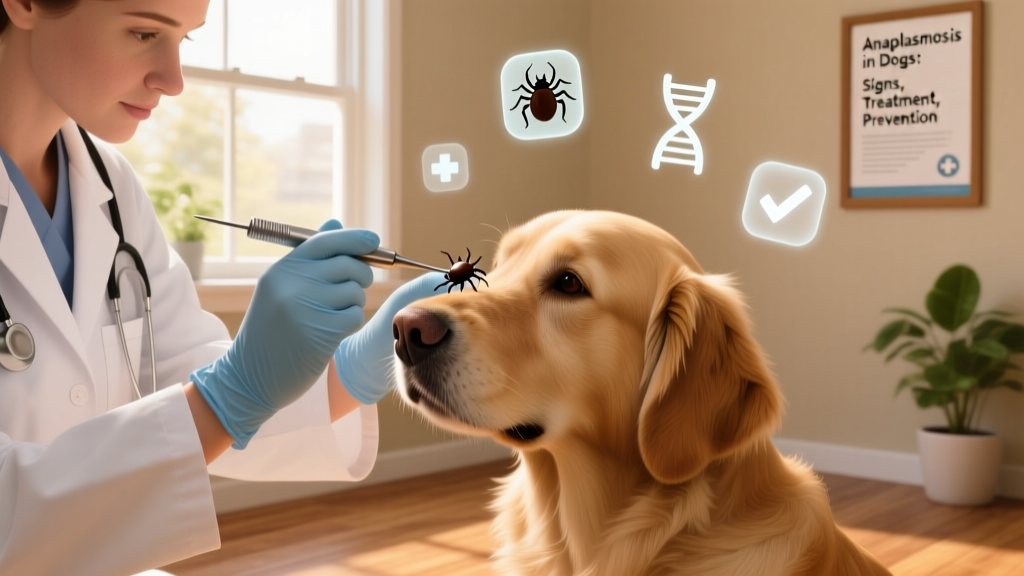
- Remove ticks quickly and safely: Use a dedicated tick removal tool to detach ticks cleanly and minimize risk of infection. Avoid bare-hand removal to protect both you and your pet.
- Monitor bite sites: After tick removal, watch the area for several days. Contact your veterinarian if redness, swelling, or irritation persists.
Key Takeaways
- Anaplasmosis is a tick-borne bacterial infection most commonly carried by black-legged ticks.
- Common signs include fever, lethargy, joint pain, limping, and loss of appetite.
- Treatment with doxycycline is highly effective—many dogs improve within 1–2 days.
- Year-round tick prevention—including products from FurPetVo available at furpetvo.com—is the single most effective way to protect your dog.
FAQs About Anaplasmosis in Dogs
How serious is anaplasmosis in dogs?
Anaplasmosis can range from asymptomatic to severely debilitating—but with prompt veterinary care, most dogs make a full recovery. Reinfection is possible, so ongoing prevention remains essential.
What are the long-term effects of anaplasmosis in dogs?
Dogs who receive timely diagnosis and complete their full course of prescribed treatment rarely experience lasting complications. In untreated or complicated cases, chronic joint issues or immune system imbalances may occasionally occur—but these are uncommon with appropriate care.